

Understanding the Male Factor in Fertility
When a couple struggles to get pregnant, people often assume it is a female health issue. But fertility is a shared journey. Research shows that male factor issues contribute to nearly half of all infertility cases. That is why testing the male partner's health is a crucial starting step. At Pravi IVF, we provide a private, supportive, and confidential environment where men can get checked and treated. We want to remove the stress and stigma around male infertility, offering clear diagnostic tests and advanced treatment options to help you become a father. If you are researching clinic locations, see our Best IVF Centre in Lajpat Nagar page.
Beyond the Basic Semen Test
A standard semen analysis is the starting point. It looks at the sperm count, how well they swim (motility), and their shape (morphology). But to find the real cause of the problem, we often need to look closer. According to standard semen criteria published by the World Health Organization (WHO), assessing motility and morphology under strict parameters is vital. We offer advanced tests like the Sperm DNA Fragmentation Index (DFI) test, which checks the genetic health of the sperm. High DNA damage can prevent fertilization or cause early miscarriages, even if the basic count looks normal. We also check hormone levels and perform scrotal ultrasounds to look for physical issues like varicocele, which is a common and treatable cause of low sperm health.
Surgical Sperm Retrieval (PESA and TESA)
For men diagnosed with azoospermia (meaning there is no sperm in the ejaculate), having a biological child is still very much possible. Sometimes, sperm is being produced but is blocked from exiting, or production is very low. In these cases, we can retrieve sperm directly from the reproductive tract under local anesthesia. We use PESA to collect sperm from the epididymis using a tiny needle, or TESA to retrieve sperm directly from the testicles. For complex cases, we perform micro-TESE, a micro-surgery to find sperm-producing pockets. These retrieved sperm are then used in an ICSI Treatment cycle to fertilize the eggs, letting you use your own genetics.
The Emotional Side of Male Infertility
Finding out that you have a low sperm count or azoospermia can be an emotional shock. Many men feel a sense of guilt or embarrassment, which makes them reluctant to seek medical help. At Pravi IVF, we work hard to create a welcoming, judgment-free environment. We talk to you openly, showing you the scientific facts: male factor issues are incredibly common and highly treatable. You are not alone on this path. To help couples learn about these procedures, we have published a complete video guide on our YouTube channel (search "Pravi IVF Male Fertility Guide") and share tips on Instagram with tag #PraviIVF. Our reproductive doctors and embryologists are here to explain every scan and procedure, giving you the clarity and support you need. Seeking help early can save you months of frustration and put you on the fastest route to holding your baby.
Frequently Asked Questions (FAQs)
- What is a normal sperm count according to WHO guidelines?
A normal semen analysis typically requires a concentration of at least 15 million sperm per milliliter, with at least 40% motility and 4% normal morphology (shape). - What is the difference between TESA and PESA?
PESA collects sperm from the epididymis using a fine needle, which is common for obstructive blockages. TESA extracts sperm directly from the testicular tissue, used when sperm production is low. - Can high Sperm DNA Fragmentation (DFI) be treated?
Yes. It can be improved using antioxidant therapy, lifestyle modifications, or by using advanced sperm selection techniques during an ICSI fertilization cycle. - Is surgical sperm retrieval painful?
No. Procedures like TESA and PESA are performed under local anesthesia in our outpatient facility, meaning you will not feel any pain during the process. - What is obstructive azoospermia?
It is a condition where sperm is actively produced in the testicles but is blocked from release due to physical blockages in the reproductive tract, which is highly treatable.
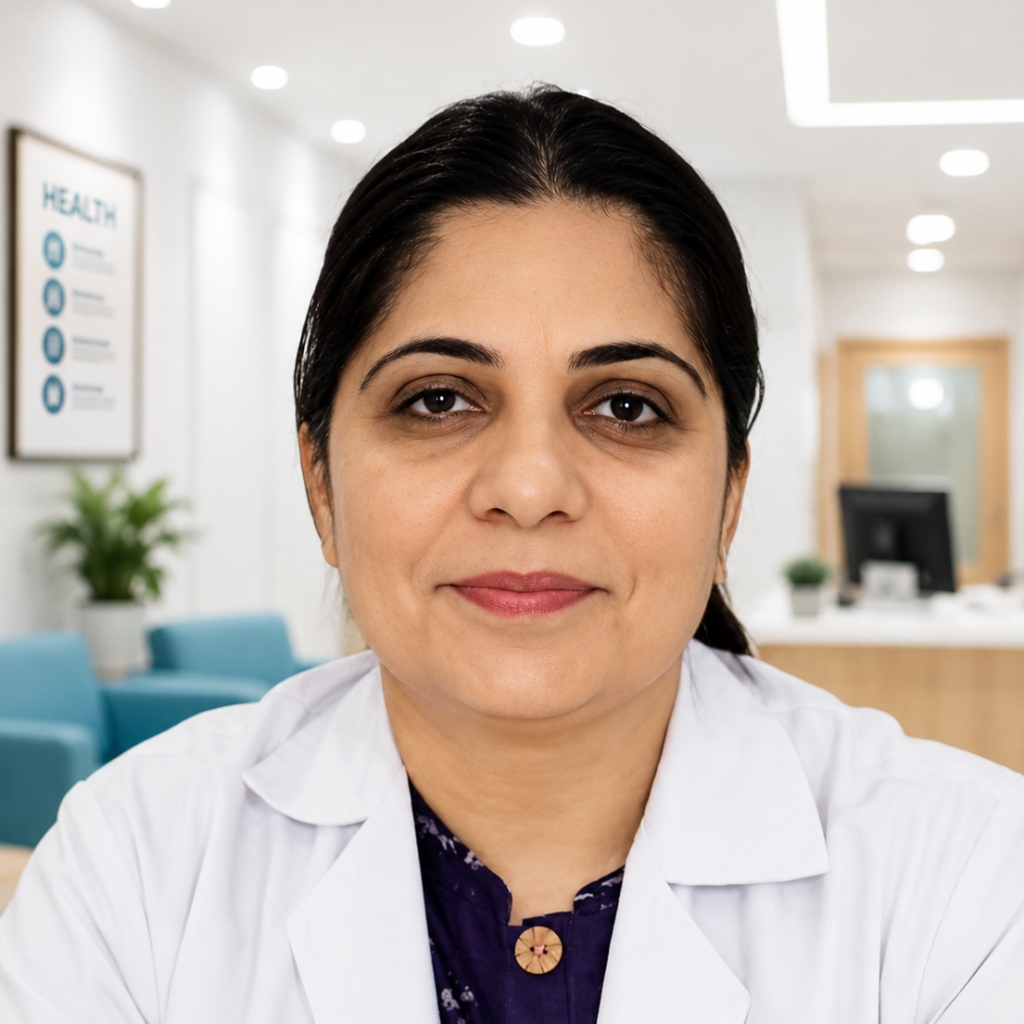
Medical Reviewer
Dr. Monica Sachdev
Dr. Monica Sachdev is a leading IVF specialist in Delhi with over 18 years of experience in reproductive medicine. She is dedicated to providing evidence-based fertility care and has helped thousands of families achieve parenthood.
Ready to Start Your Fertility Journey?
Our friendly team at Pravi IVF is here to stand by you, listen to your story, and help you through every single step.