

IVF After Failed Cycles: What to Do Next and How to Improve Success
An IVF failure can feel devastating.
You invest time, emotions, hope, and strength — and when the result is negative, it feels unfair and exhausting. Many couples silently ask themselves:
“Why did it fail?”
“Is something wrong with us?”
“Should we try again or stop?”
First, let this be very clear:
IVF failure does not mean IVF will never work.
Many successful pregnancies happen after one or more failed IVF cycles — often because the next attempt is smarter, more personalized, and better timed.
Let’s understand what to do next — calmly and clearly.
Why Do IVF Cycles Fail?
IVF failure is rarely due to a single reason. Most often, it is a combination of factors.
Common causes include:
-
Poor egg quality
-
Chromosomal abnormalities in embryos
-
Sperm DNA issues
-
Poor embryo implantation
-
Thin or unreceptive uterine lining
-
Hormonal imbalance
-
Incorrect stimulation protocol
-
Unidentified medical conditions
A failed cycle is not a dead end — it is information.
First Step After IVF Failure: Pause and Review
Before jumping into another cycle, the most important step is:
Review, not repeat.
Your doctor should carefully analyze:
-
How many eggs were retrieved
-
Fertilization rate
-
Embryo quality
-
Day of embryo transfer
-
Endometrial thickness
-
Hormone levels
Blind repetition reduces success. Thoughtful adjustment improves it.
Egg Quality Matters More Than Egg Count
Many women blame themselves after failure — especially if AMH is low.
But remember:
-
One healthy egg is enough
-
Quality matters more than numbers
-
Age and genetics influence egg health
In future cycles, doctors may:
-
Modify stimulation
-
Use antioxidant support
-
Opt for milder or dual stimulation
-
Improve timing of egg retrieval
Sperm Evaluation Is Equally Important
If fertilization or embryo development was poor, sperm DNA may need reassessment.
In such cases:
-
Advanced semen testing may be advised
-
ICSI may be recommended
-
Lifestyle changes for male partners become crucial
IVF success is 50% dependent on sperm health.
Uterine Receptivity Can Be a Key Factor
Sometimes embryos are healthy — but implantation does not happen.
Doctors may check:
-
Endometrial thickness
-
Blood flow to uterus
-
Fibroids or polyps
-
Chronic inflammation
In some cases, delaying transfer and preparing the uterus better leads to success.
Frozen Embryo Transfer Can Improve Results
Many couples succeed with frozen embryo transfer instead of fresh transfer.
Why?
-
Hormones stabilize
-
Uterus recovers
-
Implantation environment improves
Freezing embryos is not a setback — it is often a strategic advantage.
Genetic Testing May Be Considered
After repeated IVF failures or miscarriages, doctors may suggest embryo screening.
This helps:
-
Identify chromosomally normal embryos
-
Reduce miscarriage risk
-
Improve implantation chances
It is not needed for everyone — but helpful in selected cases.
Lifestyle and Emotional Health Still Matter
After IVF failure, stress increases — and couples blame themselves.
Important reminders:
-
Stress alone does not cause failure
-
But chronic stress affects hormones and recovery
-
Emotional healing is part of fertility care
Support, counseling, rest, and patience are not optional — they are essential.
How Many IVF Cycles Are Normal?
There is no fixed number.
Some succeed in:
-
1 cycle
Others need: -
2–3 cycles
A few need: -
protocol changes, time, or additional support
Success is about progress, not speed.
Why Choosing the Right Fertility Center Matters More After Failure
After IVF failure, experience and personalization become critical.
Centers like PRAVI Global IVF Polyclinic focus on:
-
Detailed failure analysis
-
Ethical treatment planning
-
No rushed cycles
-
Honest counseling
-
Individualized protocols
Because repeating the same mistake is not treatment — understanding is.
Final Message for Couples
IVF failure is painful — but it is not a verdict.
Many couples conceive after failure because:
-
Their bodies were better understood
-
Their treatment was refined
-
Their timing improved
-
Their care became more personalized
Sometimes success comes — not when you push harder —
but when you proceed wiser.
Contact Details
📍 PRAVI Global IVF Polyclinic — Lajpat Nagar, Delhi
41, First Floor, Ring Road,
Block Q, Lajpat Nagar IV, New Delhi – 110024
📞 +91 80091 50040
📩 info@praviglobalivf.in
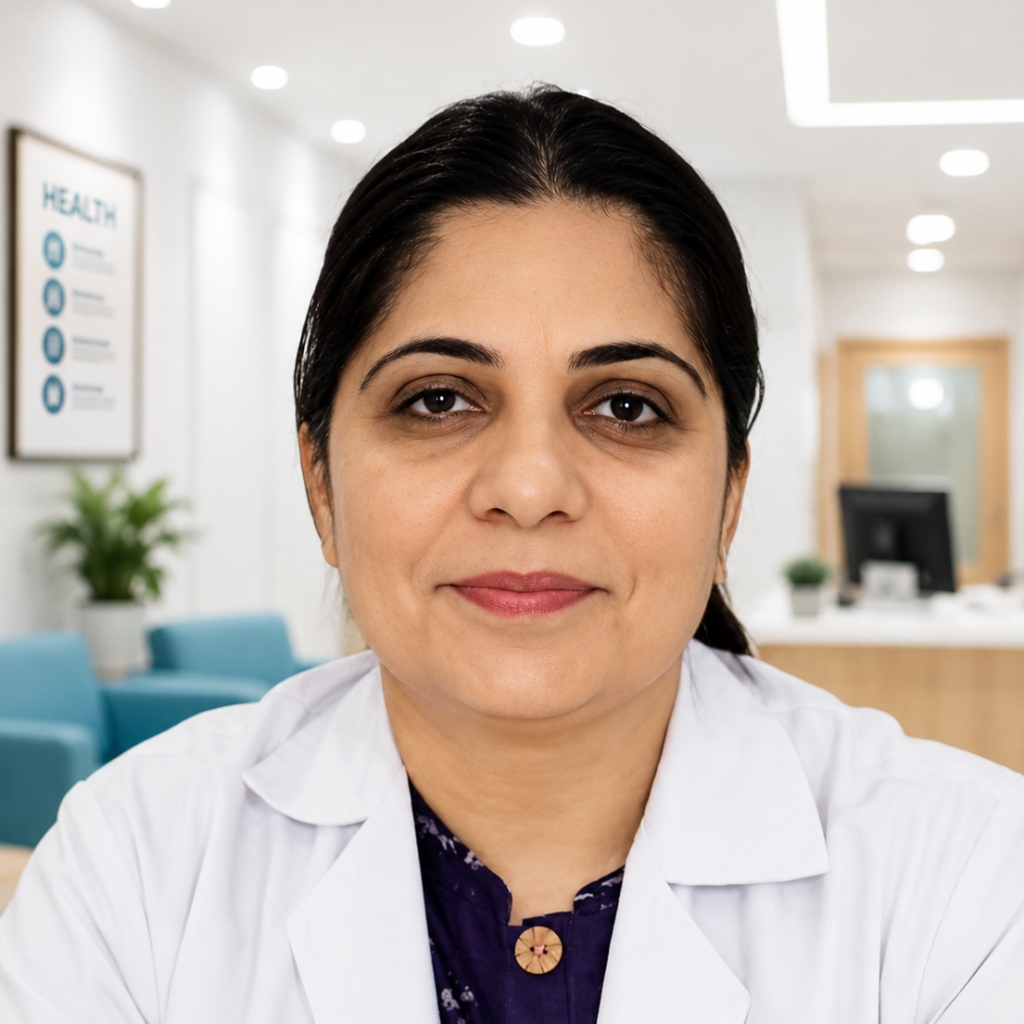
Medical Reviewer
Dr. Monica Sachdev
Dr. Monica Sachdev is a leading IVF specialist in Delhi with over 18 years of experience in reproductive medicine. She is dedicated to providing evidence-based fertility care and has helped thousands of families achieve parenthood.
Ready to Start Your Fertility Journey?
Our friendly team at Pravi IVF is here to stand by you, listen to your story, and help you through every single step.