

If you are considering uterine fibroids treatment in Delhi, you may be wondering whether a fibroid is stopping you from getting pregnant. Many fibroids do not affect fertility; their location and effect on the uterine cavity often matter more than simply having one.
A careful assessment can help you avoid unnecessary surgery while identifying fibroids that may need treatment before pregnancy or fertility care.
Key takeaways
- Fibroids are usually non-cancerous growths in the uterus.
- Many women with fibroids conceive without treatment.
- Fibroids that distort the uterine cavity deserve closer assessment.
- Treatment depends on symptoms, scan findings and pregnancy plans.
- IVF does not bypass problems inside the uterine cavity.
Understand which fibroids may affect fertility
Fibroids grow from the muscle tissue of the uterus. They can be single or multiple, and their effects depend on where they grow, their size and whether they change the space where an embryo implants.
Fibroids inside the uterine cavity
Submucosal fibroids bulge into the uterine cavity. These are more clearly linked with difficulty conceiving and miscarriage, particularly when they distort the cavity; removal may improve pregnancy chances in selected patients.
Fibroids within or outside the uterine wall
Intramural fibroids sit within the muscular wall. Those that distort the cavity may affect fertility, while the benefit of removing non-cavity-distorting intramural fibroids is less certain.
Subserosal fibroids grow towards the outside of the uterus and usually have little direct effect on fertility. However, large fibroids may cause pressure symptoms or sometimes make fertility procedures more difficult.
Recognise symptoms without assuming the cause
You may have no symptoms and discover a fibroid during an ultrasound. When symptoms occur, they can overlap with adenomyosis, endometriosis or other conditions, so a scan finding alone does not explain every complaint.
- Heavy periods or bleeding lasting longer than usual.
- Pelvic pressure, fullness or a dragging sensation.
- Frequent urination or difficulty emptying your bladder.
- Constipation or discomfort during sex.
- Tiredness, dizziness or breathlessness from possible anaemia.
When to seek urgent help
Seek urgent medical care for very heavy bleeding accompanied by faintness, chest discomfort or breathlessness, or for sudden severe pelvic pain. If you could be pregnant and have pain or bleeding, get assessed promptly rather than assuming a fibroid is responsible.
Why fibroids develop
The exact cause is not fully understood. Hormones, including oestrogen and progesterone, and genetic factors influence growth; a family history can increase your likelihood of developing them.
Fibroids are not caused by something you did wrong. No diet, supplement or home remedy has been reliably shown to remove them or restore fertility affected by a distorted uterine cavity.
Get an assessment that answers your pregnancy questions
Your consultation should cover your periods, previous pregnancies, any miscarriages and how long you have been trying. Your age, symptoms and partner’s fertility also matter: a fibroid should not automatically be labelled the only cause of infertility.
Start with a clear ultrasound report
A pelvic ultrasound, often transvaginal with your consent, helps map the number, size and position of fibroids. Ask whether the report clearly states if the uterine cavity is distorted.
Use additional tests only when helpful
A saline infusion sonogram or hysteroscopy may clarify the cavity when an ultrasound leaves questions. MRI is sometimes useful for complex mapping or surgical planning, but it is not necessary for everyone.
- Bring previous scans, ideally with images.
- Record bleeding days and changes in flow.
- List medicines, supplements and previous operations.
- Bring fertility test results for both partners.
- Explain whether you want pregnancy now or later.
Blood tests may check haemoglobin and iron stores if bleeding is heavy. Depending on your history, fertility testing may also assess ovulation, ovarian reserve, fallopian tubes and semen quality.
Choose uterine fibroids treatment in Delhi around your goals
The right plan is not always surgery. Your clinician should explain what each option can realistically achieve, whether it preserves fertility and how it may affect the timing of pregnancy attempts.
Monitoring and symptom relief
Small, symptom-free fibroids that do not distort the cavity may only need monitoring. Medicines can reduce bleeding or pain, and iron treatment may help correct deficiency, but symptom relief does not necessarily improve fertility.
Some hormonal treatments prevent pregnancy while you use them. GnRH-based medicines may temporarily shrink fibroids, often before surgery; they are not a permanent solution, and symptoms or growth can return after stopping.
Myomectomy when removal has a clear purpose
Myomectomy removes fibroids while keeping the uterus. Hysteroscopic removal may suit certain cavity fibroids; laparoscopic or open surgery may be needed for others, depending on their size, number and position.
Discuss bleeding, scar tissue, adhesions and the possibility of fibroids returning. Surgery does not guarantee pregnancy, and the recommended healing interval before trying to conceive depends on the operation and uterine repair.
Procedures that need extra fertility counselling
Uterine artery embolisation and fibroid ablation procedures require careful specialist counselling if you want pregnancy, because reproductive evidence and suitability vary. Hysterectomy removes the uterus and means you cannot carry a pregnancy; endometrial ablation is also unsuitable when future pregnancy is desired.
| Finding | Discussion to have |
| No symptoms; cavity unaffected | Could monitoring avoid unnecessary treatment? |
| Heavy bleeding or low haemoglobin | How will bleeding and iron deficiency be managed? |
| Fibroid distorting the cavity | Would removal help before pregnancy attempts? |
| Fertility treatment already planned | Should treatment sequencing change? |
Plan fertility treatment without unnecessary delays
If your fallopian tubes, ovulation and semen results are suitable, natural conception or IUI treatment may still be options. A fibroid diagnosis alone does not mean you need IVF.
When IVF treatment is recommended, your team should assess the cavity before embryo transfer. In selected cases, egg collection and embryo freezing may be discussed before fibroid surgery, particularly when age or ovarian reserve makes delay a concern.
ICSI treatment helps fertilisation in certain situations, such as some sperm-related problems. It does not correct a fibroid or its effect on implantation.
- Ask what benefit surgery is expected to offer you.
- Clarify when pregnancy attempts can safely restart.
- Request an itemised estimate before agreeing to treatment.
- Ask whether future pregnancy needs additional monitoring.
Frequently Asked Questions
Can I get pregnant naturally with fibroids?
Yes, many women do. Your chances depend on the fibroid’s position and cavity effects, alongside age, ovulation, tubal health and semen quality.
Does every fibroid need removal before IVF?
No. Cavity-distorting fibroids often warrant treatment discussions, but removing fibroids that do not affect the cavity needs an individual assessment of benefits and risks.
What fibroid size causes infertility?
There is no single size cut-off that applies to everyone. A smaller fibroid inside the cavity may matter more than a larger one growing outside the uterus.
How soon can I try after myomectomy?
Your surgeon should advise based on the procedure, depth of the uterine incision and healing. Avoid using someone else’s recovery timeline to plan your pregnancy.
Can fibroids come back after treatment?
Yes. New fibroids can develop after myomectomy, and those shrunk with medicine may grow again. Follow-up depends on symptoms and your pregnancy plans.
Discuss your fibroid report and next steps
Bring your reports to Pravi Global IVF in Lajpat Nagar, New Delhi, to discuss your fertility concerns. Call +91 80091 50040 or book an appointment.
Check contact and location details before travelling. Lajpat Nagar Metro station connects with the Violet and Pink lines; allow flexibility for road traffic.
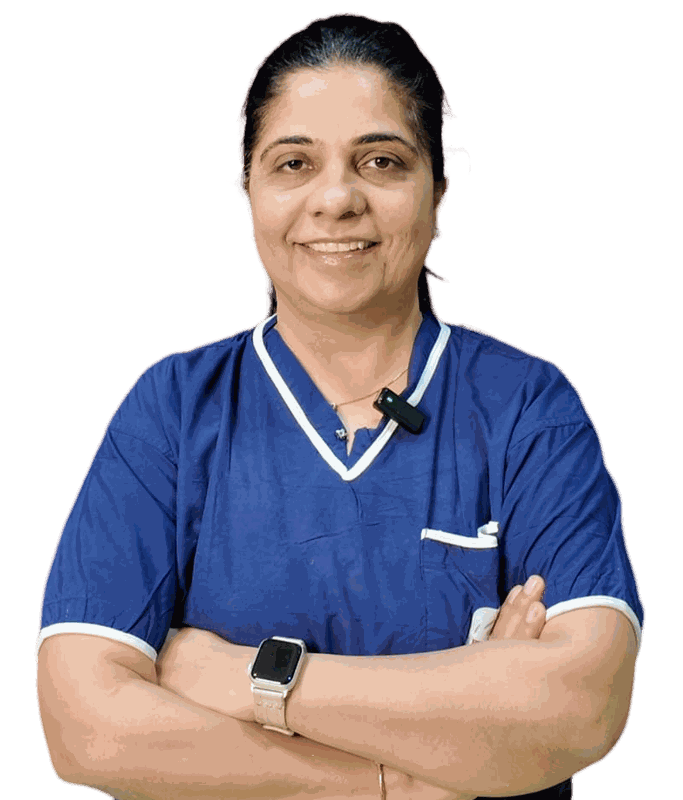
Medical Reviewer
Dr. Monica Sachdev
Dr. Monica Sachdev is a leading IVF specialist in Delhi with over 18 years of experience in reproductive medicine. She is dedicated to providing evidence-based fertility care and has helped thousands of families achieve parenthood.
Ready to Start Your Fertility Journey?
Our friendly team at Pravi IVF is here to stand by you, listen to your story, and help you through every single step.