

Key Takeaways
- Not every fibroid needs treatment before IVF; its location and effect on the uterine cavity matter.
- Surgery may be considered when fibroids distort the cavity, cause significant symptoms, or complicate treatment.
- Removing fibroids has risks, and any potential benefit must be weighed against recovery time.
- A genuine patient story requires verified clinical details and permission to share them. No verified case was supplied for this article.
Being told you have a fibroid while preparing for IVF can feel like another unexpected hurdle. Whether you need fibroid removal before ivf depends on what the fibroid is doing, not simply whether it is present.
This guide explains the decisions behind treatment without presenting an invented patient experience. For publication under Patient Stories, it should be adapted using a verified, consented case.
Why Fibroids Matter During Fertility Treatment
Fibroids are usually noncancerous growths made of muscle and connective tissue in or around the uterus. Many people have them without symptoms, and their presence does not automatically mean pregnancy will be difficult.
Some fibroids change the shape of the uterine cavity, where an embryo implants. Others grow outward and may have little direct effect on implantation.
Your specialist will usually look at the whole fertility picture, including age, ovarian reserve, sperm factors, symptoms, and previous treatment. A fibroid may be relevant, but it should not automatically be blamed for infertility or an unsuccessful embryo transfer.
When Is Fibroid Removal Before IVF Considered?
The clearest reason to discuss removal is a fibroid that distorts the uterine cavity. However, the expected benefit and the safest approach still need individual assessment.
| Fibroid type | Where it grows | How it may affect planning |
|---|---|---|
| Submucosal | Projects into the uterine cavity | Often prompts discussion of removal because it can interfere with the implantation environment. |
| Intramural | Within the uterine muscle | Cavity distortion matters; benefit from removing non-cavity-distorting fibroids remains uncertain. |
| Subserosal | Toward the outer surface of the uterus | Usually not removed solely to improve fertility, although symptoms or access issues may matter. |
Size alone is not a universal rule for surgery. A smaller fibroid projecting into the cavity may be more relevant than a larger one growing outward.
Reasons a specialist may recommend a surgical discussion include:
- Distortion of the cavity seen on imaging.
- Heavy menstrual bleeding, particularly with iron deficiency or anaemia.
- Persistent pain or pressure affecting daily life.
- Fibroid position that may make access to the ovaries during egg retrieval difficult.
- A treatment history that warrants closer assessment of the uterus.
Which Tests Help Clarify the Decision?
A transvaginal ultrasound is commonly the starting point. It can help describe the number, size, and position of fibroids and identify whether further assessment is useful.
If the cavity is not clearly assessed, your doctor may suggest saline infusion sonography or hysteroscopy. MRI may help map multiple or complex fibroids, but it is not necessary for everyone.
Useful questions to take into the consultation include:
- Does the fibroid actually distort my uterine cavity?
- How confident are we about its location and extent?
- Could another condition explain my symptoms or fertility difficulty?
- What would change in my IVF plan if I had surgery?
- What are the disadvantages of observing it instead?
If bleeding is heavy, blood tests may also be needed to check for anaemia. Treating iron deficiency can be an important part of preparing for either surgery or pregnancy.
What Surgery Can—and Cannot—Promise
Myomectomy removes fibroids while preserving the uterus. Depending on their position, number, and size, treatment may involve hysteroscopy, laparoscopy, or open surgery.
Hysteroscopic removal is performed through the cervix for suitable fibroids involving the cavity. Fibroids deeper in the uterine wall may require a different approach, and some procedures need staged treatment.
Evidence supports considering removal of cavity-distorting fibroids to improve the chance of pregnancy in selected patients. However, fibroid removal before ivf is not a guarantee of implantation or live birth, and evidence is less clear for fibroids that do not distort the cavity.
Potential risks include bleeding, infection, adhesions, and uterine scarring. Some operations also affect recommendations for delivery in a future pregnancy, so ask how the planned procedure might influence longer-term care.
How Surgery Fits Into an IVF Timeline
There is no single waiting period that applies after every myomectomy. Timing depends on the surgical approach, depth of uterine incisions, recovery, and your surgeon’s assessment of healing.
For some patients, egg retrieval and embryo freezing may be considered before fibroid surgery, with transfer planned after recovery. This may be relevant when age or ovarian reserve makes a delay concerning, but ovarian access and overall safety still matter.
Your team may discuss the following before scheduling treatment:
- Whether surgery should come before ovarian stimulation or only before embryo transfer.
- Whether the uterine cavity needs reassessment after treatment.
- How symptoms and blood counts will be monitored.
- What recovery milestones need to be reached before proceeding.
You can review the basics of IVF treatment in Lajpat Nagar, Delhi before your consultation. The discussion should connect uterine treatment with your broader fertility plan rather than treat them as separate decisions.
What a Genuine Patient Story Should Include
A useful patient story explains why a decision was made, not just whether a pregnancy followed. Without a verified record, it would be misleading to describe a named patient, surgical finding, or treatment outcome as real.
To develop this article into a publishable case, obtain the patient’s permission and confirm:
- The symptoms and fertility history relevant to the decision.
- The documented fibroid location and whether the cavity was distorted.
- The alternatives discussed and the reason for the chosen plan.
- The procedure, recovery, and actual treatment sequence.
- The verified outcome and duration of follow-up.
Identifying details should be removed, and any changed details should be disclosed. Even a confirmed pregnancy after surgery would not prove that surgery alone caused the outcome or predict another patient’s result.
Planning Your Consultation in Lajpat Nagar
Bring previous scans, scan reports, surgical records, and fertility treatment summaries to Pravi Global IVF in Lajpat Nagar, New Delhi. Ask the clinic which assessments are appropriate and whether a separate surgical consultation is needed.
Other fertility treatments do not bypass a cavity problem. ICSI helps with fertilisation in selected situations, while IUI may suit some fertility diagnoses; neither removes a fibroid.
For appointment logistics or questions about sharing records, use the clinic’s contact page. The goal is a clear explanation of whether treatment is necessary and what each option means for you.
Frequently Asked Questions
Does everyone need fibroid removal before ivf?
No. Many fibroids do not require removal before fertility treatment. Cavity distortion, symptoms, ovarian access, and the wider fertility assessment guide the recommendation.
Can IVF work if I still have fibroids?
Yes, pregnancy is possible with fibroids present. Their location and effect on the cavity matter, alongside embryo-related and other fertility factors.
How long after myomectomy can embryo transfer happen?
There is no universal interval. Your surgeon and fertility specialist should agree on timing based on the operation performed, healing, and any follow-up assessment.
Will removing a fibroid improve egg quality?
Myomectomy does not directly improve egg quality. Its purpose is to address selected uterine problems or symptoms, not to reverse age-related changes in eggs.
Can fibroids return after surgery?
Yes. New fibroids may develop, and small remaining fibroids may grow over time. Follow-up depends on symptoms, findings, and your pregnancy plans.
Discuss your options with Pravi Global IVF. Call +91 80091 50040 or book an appointment for an individual assessment.
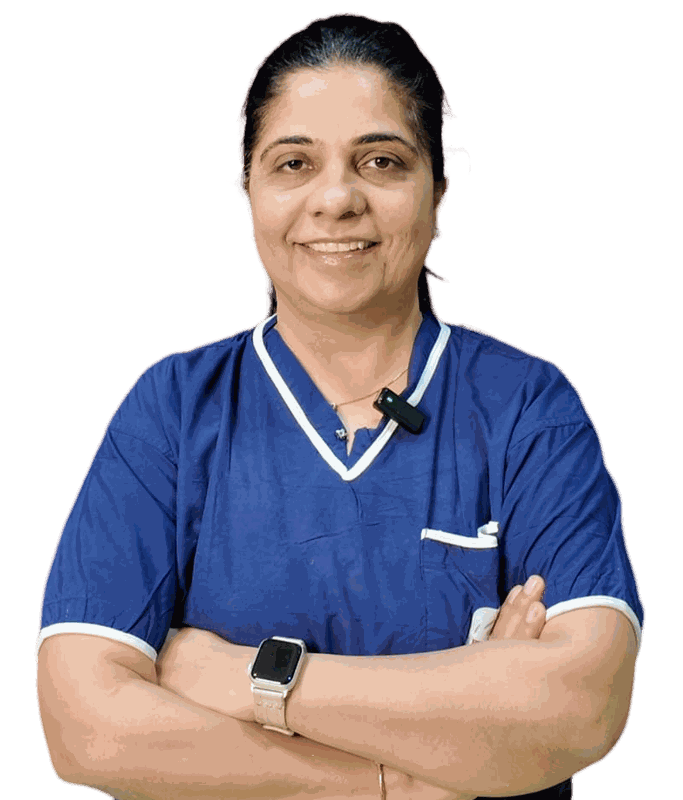
Medical Reviewer
Dr. Monica Sachdev
Dr. Monica Sachdev is a leading IVF specialist in Delhi with over 18 years of experience in reproductive medicine. She is dedicated to providing evidence-based fertility care and has helped thousands of families achieve parenthood.
Ready to Start Your Fertility Journey?
Our friendly team at Pravi IVF is here to stand by you, listen to your story, and help you through every single step.