

Key Takeaways
- Cramping, spotting, breast tenderness, and fatigue cannot reliably confirm pregnancy.
- Having no symptoms does not mean a treatment cycle has failed.
- Progesterone and fertility medicines can cause symptoms that resemble early pregnancy.
- Follow your clinic’s pregnancy-testing date and keep taking prescribed medicines unless advised otherwise.
- Severe pain, heavy bleeding, fainting, or breathing difficulty need urgent medical attention.
The two week wait can make every twinge feel important. Whether you are trying naturally, have had intrauterine insemination (IUI), or are waiting after an embryo transfer, it is understandable to look for clues.
The frustrating truth is that early pregnancy, premenstrual changes, and fertility medicines often feel alike. Knowing what symptoms can—and cannot—tell you may make this uncertain stretch easier.
What Is the Two Week Wait?
This phrase describes the time between ovulation or fertility treatment and a reliable pregnancy test. It is roughly two weeks after ovulation, but the timing after embryo transfer depends on the embryo’s age and your clinic’s protocol.
If implantation occurs, pregnancy tissue begins producing human chorionic gonadotropin, or hCG. A test needs enough of this hormone to detect pregnancy, so testing too soon can give an unclear or misleading result.
Common Symptoms and What They Might Mean
There is no symptom checklist that can reliably tell you whether you are pregnant before testing. A positive test also requires appropriate follow-up; symptoms alone cannot establish where a pregnancy is located or how it is developing.
| Symptom | Possible explanations | What to do |
|---|---|---|
| Mild cramps or pulling sensations | Normal hormonal changes, approaching periods, or effects of fertility treatment | Monitor mild discomfort; report worsening or one-sided pain. |
| Breast tenderness | Progesterone, premenstrual changes, or early pregnancy | Use a comfortable, supportive bra; avoid interpreting tenderness as proof. |
| Light spotting | Cervical irritation, vaginal medication, an approaching period, or early pregnancy | Tell your clinic, particularly after treatment; do not stop medicines yourself. |
| Bloating or constipation | Progesterone effects, dietary changes, or ovarian stimulation | Hydrate and monitor; marked swelling or pain needs assessment. |
| Tiredness | Hormonal changes, medication, disrupted sleep, or stress | Rest when needed and keep a regular sleep routine. |
| No noticeable symptoms | Normal variation, including in pregnancies that later test positive | Keep your planned testing date. |
Does spotting mean implantation?
Light spotting is sometimes called “implantation bleeding,” but its colour, amount, or timing cannot confirm implantation. Many pregnancies have no spotting, and spotting can happen for reasons unrelated to pregnancy.
After embryo transfer, the cervix or vaginal lining may be irritated by procedures or vaginal progesterone. Report bleeding to your treatment team rather than assuming it means success or failure.
Are nausea and food cravings useful clues?
Nausea commonly starts later than this waiting period, although experiences vary. Appetite changes, food aversions, and sensitivity to smells are not reliable early indicators on their own.
Stress, digestive changes, and medicines can also affect how you feel. Comparing your symptoms with someone else’s pregnancy story usually creates more uncertainty than clarity.
How Fertility Medicines Can Affect Symptoms
Progesterone support can cause breast soreness, bloating, constipation, sleepiness, and vaginal discharge when used vaginally. These effects can occur whether or not implantation has happened.
An hCG trigger injection can also remain detectable for several days, sometimes around two weeks. Testing while injected hCG remains in your system may produce a positive result that does not reflect a pregnancy.
- Take each medicine at the prescribed dose and time.
- Do not stop progesterone because of spotting or an early negative home test.
- Ask your clinic what to do if you miss a dose.
- Check before starting painkillers, herbal products, or supplements.
If you are exploring IVF treatment in Lajpat Nagar, ask for written instructions covering medicines, testing, and urgent symptoms. The same clarity matters when your treatment plan includes ICSI; the fertilisation technique does not create a unique set of pregnancy symptoms.
When Should You Take a Pregnancy Test?
During the two week wait, the most useful date is the one your clinic gives you—not the earliest date advertised on a test packet. Clinics may request a blood beta-hCG test because it measures the hormone level rather than simply showing positive or negative.
- Trying naturally: A home test is generally most reliable from the day your period is due.
- After IUI: Testing is commonly scheduled about 14 days later, with adjustments based on treatment.
- After embryo transfer: Testing is often arranged around 9–14 days later, depending on embryo age and clinic protocol.
- After an early negative: Repeat on the recommended date; an early result may not be conclusive.
For a home test, follow the instructions and avoid drinking excessive water beforehand. If the result is positive, your clinic may arrange repeat blood tests and a later ultrasound; one hCG value cannot confirm a healthy ongoing pregnancy.
If you are receiving IUI treatment, check whether a trigger injection affects your testing schedule. Contact your clinic if a test is negative but your period does not arrive.
Looking After Yourself Without Over-Restricting Life
Ordinary daily activity does not dislodge an embryo, and bed rest after transfer has not been shown to improve outcomes. Gentle walking and usual light activities are generally reasonable unless your team advises otherwise.
After ovarian stimulation, enlarged ovaries may make vigorous exercise, twisting movements, or intercourse uncomfortable or inadvisable. Follow individual advice rather than a universal online rule.
- Eat regular, balanced meals; no special food is proven to make implantation happen.
- Drink water normally and continue prescribed folic acid or prenatal supplements.
- Avoid alcohol, smoking, and recreational drugs.
- Keep caffeine within pregnancy guidance, generally no more than 200 mg daily.
- Choose relaxing activities without treating relaxation as a requirement for pregnancy.
Make space for the emotional strain
Repeated symptom checks can turn the two week wait into an exhausting daily test. Try limiting online searches, choosing one trusted person to talk with, and planning activities unrelated to treatment.
Feeling anxious does not mean you have caused a cycle to fail. If worry disrupts sleep, work, or eating, ask your clinic about counselling support.
Symptoms That Need Prompt Medical Attention
Do not wait for your scheduled test if you feel seriously unwell. After fertility treatment, significant symptoms can sometimes signal ovarian hyperstimulation syndrome (OHSS), ectopic pregnancy, or another condition needing assessment.
- Severe, worsening, or one-sided abdominal or pelvic pain
- Heavy bleeding, particularly with pain, dizziness, or weakness
- Shoulder-tip pain, fainting, or marked light-headedness
- Rapidly increasing abdominal swelling, persistent vomiting, or reduced urination
- Shortness of breath, chest pain, or fever
Seek emergency care for severe symptoms rather than waiting for a routine reply. For non-urgent questions about instructions or follow-up, contact Pravi Global IVF in Lajpat Nagar, New Delhi.
Frequently Asked Questions
Can I be pregnant without any symptoms?
Yes. Many people notice nothing before their positive test. Symptoms are not required for pregnancy and do not measure treatment success.
Does cramping mean my period is coming?
Not necessarily. Mild cramps can occur before a period, with medication, or in early pregnancy. Severe or one-sided pain needs medical assessment.
Can progesterone cause a positive pregnancy test?
No. Pregnancy tests detect hCG, not progesterone. However, an hCG trigger injection can cause a misleading early positive.
Should I stop medicines if I start bleeding?
No, not without your clinician’s advice. Report the bleeding and follow the planned testing schedule unless your team changes it.
Is it safe to work during the waiting period?
Most people can continue routine work. Ask about adjustments if your job involves heavy lifting, strenuous activity, or exposures that may be unsafe during pregnancy.
Need personalised guidance? Call Pravi Global IVF at +91 80091 50040 or book an appointment to discuss your symptoms and testing plan.
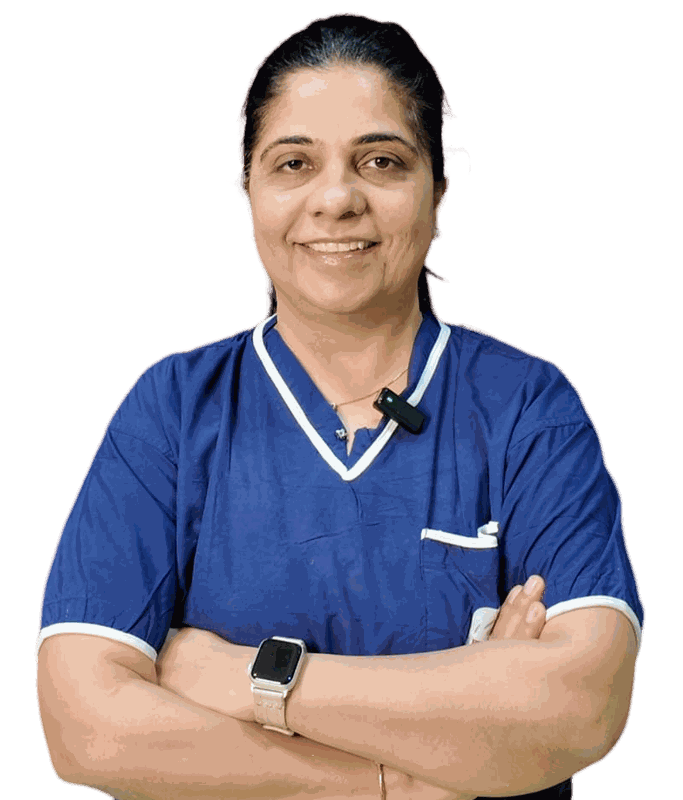
Medical Reviewer
Dr. Monica Sachdev
Dr. Monica Sachdev is a leading IVF specialist in Delhi with over 18 years of experience in reproductive medicine. She is dedicated to providing evidence-based fertility care and has helped thousands of families achieve parenthood.
Ready to Start Your Fertility Journey?
Our friendly team at Pravi IVF is here to stand by you, listen to your story, and help you through every single step.