

Key Takeaways
- Gentle movement is often suitable, but your IVF stage, symptoms, and ovarian response matter.
- During stimulation, avoid high-impact activity, heavy lifting, and movements involving deep twisting.
- Routine bed rest after embryo transfer is not recommended; follow your clinic’s individual advice.
- Sudden pelvic pain, breathlessness, or rapidly increasing abdominal swelling needs prompt medical attention.
Exercise during IVF does not have to mean stopping all movement. It usually means adjusting your routine as treatment progresses, with comfort and safety taking priority over fitness goals.
If you normally run, lift weights, or attend yoga classes, those changes can feel frustrating. Knowing why certain activities need modifying can make the temporary shift easier.
Why Your Workout May Need to Change
During ovarian stimulation, medicines help multiple follicles develop, which can enlarge your ovaries. This may cause bloating or pelvic heaviness and make vigorous activity uncomfortable.
Enlarged ovaries are more vulnerable to ovarian torsion, an uncommon but serious twisting that can interrupt their blood supply. This is one reason fertility teams commonly recommend avoiding jumping, forceful twisting, and strenuous workouts during stimulation.
Restrictions are precautions, not a suggestion that ordinary movement causes IVF failure. Advice should reflect your scan findings, symptoms, and treatment plan rather than a universal rule.
Exercise During IVF: Guidance by Treatment Stage
Your safest routine may change from one appointment to the next. Use this overview to start a conversation with your fertility team, not as personal medical clearance.
| Treatment stage | Often suitable | Important precautions |
|---|---|---|
| Before stimulation | Familiar, comfortable activity | Avoid suddenly starting an intense programme; discuss demanding training. |
| During stimulation | Easy walking and gentle, non-twisting movement | Avoid running, jumping, heavy lifting, and strenuous abdominal work. |
| After egg retrieval | Rest initially, then short walks as tolerated | Follow sedation instructions and wait for clearance before harder exercise. |
| After embryo transfer | Comfortable daily activity and gentle walking | Restrictions depend partly on whether your ovaries remain enlarged. |
| After a positive pregnancy test | Activity approved for your pregnancy and recovery | Persistent ovarian enlargement or complications may require continued modification. |
Before Stimulation Begins
If your usual routine feels comfortable, you may not need major changes before treatment. Tell your clinician about endurance training, competitive sport, heavy lifting, or any exercise linked with pain, exhaustion, or irregular periods.
This is not the time to pursue rapid weight loss through restrictive eating and intense exercise. Aim for regular meals, adequate recovery, and a routine you can comfortably scale down.
During Stimulation Injections
As follicles grow, favour movement that feels easy and does not jolt or twist your abdomen. Being able to speak comfortably is a useful effort check, although it does not replace your clinician’s restrictions.
Even experienced athletes may need to pause their usual training. Fitness does not remove the risks associated with enlarged ovaries.
After Egg Retrieval
Egg retrieval is a procedure, so allow time for recovery. If you have sedation, follow your discharge instructions about supervision, driving, exercise, and other activities.
Short, gentle walks may feel comfortable once you are steady and your team permits them. Do not resume strenuous activity simply because pain has settled; ovarian enlargement can persist.
After Embryo Transfer
Routine bed rest after embryo transfer has not been shown to improve outcomes and is generally not recommended. Standing, walking, or using the toilet does not make an embryo fall out.
After a fresh transfer, recently stimulated ovaries may still need protection. In a frozen transfer cycle without recent stimulation, those specific precautions may differ, so ask which restrictions apply to you.
Gentle Ways to Keep Moving
The goal of exercise during IVF is comfortable movement, not increasing endurance or burning calories. You do not need to meet a step target or push through symptoms.
- Easy walking: Choose a flat route and slow down or stop if you feel pelvic pressure.
- Gentle mobility: Small, comfortable shoulder and ankle movements can ease stiffness without straining your abdomen.
- Adapted stretching: Avoid deep twists, strong abdominal engagement, and positions that compress your belly.
- Relaxed breathing: Quiet breathing exercises can offer a calming break without breath-holding or forceful abdominal work.
Yoga and Pilates are not automatically gentle. Ask about individual movements, particularly inversions, deep twists, planks, and vigorous sequences, rather than relying on a class label.
Swimming also needs stage-specific advice. After egg retrieval, follow your clinic’s instructions on when you can return to pools or immerse yourself in water.
Activities to Pause or Modify
There is no single weight limit or heart-rate ceiling that is suitable for everyone undergoing IVF. Ask your team for practical limits based on your response to medication and the demands of your routine.
- Running, sprinting, jumping workouts, and high-intensity interval training.
- Heavy lifting or exercises requiring straining and breath-holding.
- Contact sports and activities with a significant fall or collision risk.
- Strong twisting movements and demanding abdominal exercises.
- Hot yoga or workouts that cause overheating or dehydration.
Household chores and work can involve similar strain. Mention carrying children, moving heavy bags, or physically demanding shifts when discussing restrictions.
When to Stop and Seek Medical Advice
Mild bloating can occur during stimulation, but worsening symptoms should not be treated as a normal workout challenge. Ovarian hyperstimulation syndrome, or OHSS, can develop after stimulation and sometimes worsen if pregnancy occurs.
- Sudden, severe pelvic pain: Especially one-sided pain with nausea or vomiting needs urgent assessment.
- Increasing abdominal swelling: Rapid weight gain, persistent vomiting, or passing less urine warrants prompt contact with your clinic.
- Breathlessness, chest pain, or fainting: Seek emergency care rather than waiting for a routine callback.
- Fever, heavy bleeding, or worsening pain after retrieval: Contact your treating team promptly.
Stop exercising if symptoms develop. Do not try to relieve significant pelvic pain by stretching or exercising through it.
Making an Activity Plan With Your Clinic
At Pravi Global IVF in Lajpat Nagar, New Delhi, ask your treating team how your planned activities fit your treatment stage. Bring specific examples, such as your usual workout, commute, or lifting duties.
If you are exploring IVF treatment or ICSI treatment, activity precautions generally relate to stimulation and retrieval rather than the laboratory fertilisation method. For IUI treatment, advice may differ according to medication and ovarian response.
Use the contact page to ask how to reach the team with non-urgent questions. Confirm an urgent-care contact route before starting treatment.
Frequently Asked Questions
Can I walk every day during IVF?
Gentle walking is often suitable if you feel well and your team has not advised otherwise. Keep the pace comfortable and stop if pain, dizziness, or increasing pelvic pressure develops.
Is exercise during IVF linked to lower success?
There is no good evidence that gentle everyday movement reduces IVF success. Research on strenuous exercise is less clear, and restrictions during stimulation primarily address safety and recovery.
Can I do yoga during stimulation?
Some gentle, adapted movements may be suitable with your clinician’s approval. Avoid hot yoga, deep twists, inversions, and strenuous abdominal poses while your ovaries are enlarged.
Do I need bed rest after embryo transfer?
Routine bed rest is not recommended. Comfortable daily activity is generally acceptable, but follow individual advice if you have pain, enlarged ovaries, or other complications.
When can I return to my normal workouts?
There is no universal restart date. Your team should consider your symptoms, ovarian recovery, OHSS risk, and pregnancy status before advising a gradual return.
For personalised activity guidance during fertility care, call Pravi Global IVF at +91 80091 50040 or book an appointment.
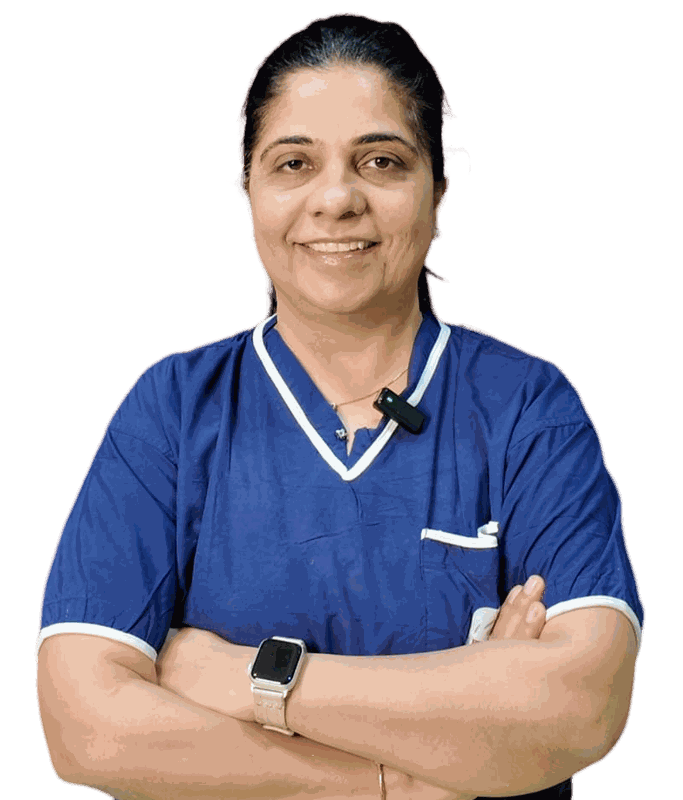
Medical Reviewer
Dr. Monica Sachdev
Dr. Monica Sachdev is a leading IVF specialist in Delhi with over 18 years of experience in reproductive medicine. She is dedicated to providing evidence-based fertility care and has helped thousands of families achieve parenthood.
Ready to Start Your Fertility Journey?
Our friendly team at Pravi IVF is here to stand by you, listen to your story, and help you through every single step.