

Key Takeaways
- Most people can make routine journeys after an uncomplicated embryo transfer, unless their fertility team advises otherwise.
- Walking, sitting, and normal vehicle movement do not cause an embryo to fall out.
- Your symptoms, recent egg retrieval, medicines, and access to medical care matter more than the transport type alone.
- Keep your pregnancy test and follow-up appointments on schedule, even when travelling.
Travel after transfer is a common concern, especially if you live outside Delhi or need to return to work. For most people, a comfortable journey after an uncomplicated embryo transfer is reasonable, but individual medical advice should guide the plan.
There is no good evidence that routine travel reduces implantation chances. You do not need to remain completely still to protect the embryo.
Is Travel After Transfer Safe?
Embryo transfer places an embryo inside the uterus through a thin catheter. Standing up, using the toilet, climbing a few stairs, or riding in a car does not dislodge it.
Routine bed rest after embryo transfer is not recommended because it has not been shown to improve pregnancy outcomes. Gentle movement and normal daily activities are generally appropriate unless your treating team gives specific restrictions.
However, feeling well enough to travel is different from being medically ready for a long journey. After a fresh transfer, recent ovarian stimulation and egg retrieval may leave enlarged ovaries or symptoms that need monitoring.
Does a Fresh or Frozen Transfer Change the Advice?
After a fresh transfer, ovarian hyperstimulation syndrome, or OHSS, may be a concern in some patients. It can cause fluid shifts, abdominal swelling, and, in more serious cases, breathing difficulties or blood clots.
A frozen transfer usually does not involve a recent stimulated egg retrieval, so the situation may be different. Still, your medication plan, underlying conditions, and current symptoms determine what is sensible.
When Can You Leave the Clinic?
Many patients can go home after the clinic completes its post-procedure checks. There is no universal requirement to wait a fixed number of days before every journey.
Before arranging a same-day departure, ask whether your procedure or recovery requires observation. If sedation was used, follow the clinic's instructions about driving, supervision, and travel.
- Tell your team how long the journey will take and where you will stay.
- Ask whether recent symptoms or blood tests change your travel advice.
- Confirm your pregnancy test date and how results should be shared.
- Check who to contact if you feel unwell away from home.
If you are planning IVF treatment in Lajpat Nagar, Delhi, discuss return travel before transfer day. Flexible bookings can help if your clinical plan changes.
Choosing Between Car, Train, and Air Travel
The best option is usually the one that limits exhaustion, allows movement, and keeps medical care accessible. A short, comfortable trip may be easier than several changes of transport with heavy luggage.
| Transport | Practical approach | What to consider |
|---|---|---|
| Car or taxi | Wear your seat belt normally and take breaks on longer trips. | Avoid driving if you feel dizzy, unwell, or are affected by sedating medicines. |
| Train | Choose seating that allows comfortable sitting and occasional walking. | Arrange help with bags and avoid rushing between platforms. |
| Flight | Carry medicines in hand luggage and move regularly when safe. | Discuss long flights if you have OHSS symptoms or clotting risk factors. |
| Long road journey | Plan rest stops, meals, and access to toilets. | Consider postponing if pain, swelling, or nausea is worsening. |
Can You Fly After Embryo Transfer?
Occasional commercial flying is generally considered acceptable after an uncomplicated transfer. Normal cabin pressure has not been shown to prevent implantation, but direct research on travel immediately after transfer is limited.
Long periods of sitting can increase blood clot risk, particularly with additional risk factors. Ask your doctor whether you need precautions beyond walking and ankle movements; do not start aspirin or blood-thinning injections yourself.
What About Bumpy Roads?
Ordinary bumps and vibrations are not known to affect implantation. Choose a smoother route for comfort, rather than because everyday road movement could shake the embryo loose.
Keep wearing a seat belt. Avoiding normal road safety measures creates a real risk without offering a fertility benefit.
Medicines and Packing for Travel After Transfer
Maintaining your prescribed medicines matters more than lying still during a journey. Progesterone and any other treatment should continue exactly as instructed, including if light spotting occurs, unless your clinic advises a change.
- Pack enough medication for the trip, with a small buffer for delays where possible.
- Keep a prescription copy and your clinic's contact details accessible.
- Follow storage instructions; ask your pharmacist if temperature control is needed.
- Set reminders and confirm dose timing before crossing time zones.
- Carry water, simple snacks, and any supplies needed to administer prescribed medicines.
For flights, check airline and security requirements for needles, liquid medicines, and cooling packs in advance. Do not place medicines directly against ice unless the product's instructions allow it.
Comfort, Activity, and Everyday Precautions
There is no special travel posture or food that guarantees implantation. Eat regular meals, drink according to thirst unless given different instructions, and allow time for sleep.
Gentle walking is usually suitable. Avoid strenuous exercise, high-impact activity, and heavy lifting when your ovaries remain enlarged or your team has advised restrictions.
- Wear comfortable clothes that do not press on a tender abdomen.
- Ask someone else to handle heavy suitcases.
- Break up prolonged sitting with movement when safe.
- Avoid smoking and alcohol while awaiting your pregnancy result.
- Check before taking new medicines, supplements, or motion-sickness remedies.
If embryos were created using ICSI treatment, that fertilisation method alone does not usually change post-transfer travel advice. IUI treatment is a different procedure, so follow the instructions specific to your cycle.
When to Postpone Travel or Seek Help
Mild cramping or light spotting can occur after transfer and does not reliably indicate success or failure. Contact your team if symptoms persist, worsen, or worry you.
Do not board a flight or begin a long journey if you have concerning symptoms. Seek urgent medical assessment for the following:
- Severe or worsening abdominal pain or rapidly increasing swelling.
- Persistent vomiting, inability to drink, or noticeably reduced urination.
- Breathlessness, chest pain, fainting, or a painful swollen leg.
- Heavy bleeding, fever, or severe one-sided pelvic pain.
For non-urgent planning, contact Pravi Global IVF in Lajpat Nagar, New Delhi. During an emergency, use the nearest appropriate medical service rather than waiting to reach your fertility clinic.
Frequently Asked Questions
Can I travel home on the day of embryo transfer?
Often, yes, after an uncomplicated procedure and discharge clearance. Confirm first if you had sedation, feel unwell, or face a lengthy journey.
Is bed rest necessary before travelling?
No. Routine bed rest does not improve embryo transfer outcomes. Rest for comfort if needed, but gentle everyday movement is usually appropriate.
Can travel after transfer cause implantation failure?
Routine travel has not been shown to cause implantation failure. Individual medical complications may require postponement, but everyday movement does not make the embryo fall out.
Should I cancel a long-distance holiday?
Discuss the itinerary with your fertility team. Remote destinations, limited medical access, infection risks, and missed monitoring may make postponement sensible.
Can I take my pregnancy test while away?
Usually, provided you arrange the recommended test on the correct date and share the result. Do not stop prescribed medicines based on an early home test.
Planning your journey around embryo transfer? Call Pravi Global IVF on +91 80091 50040 or book an appointment for advice tailored to your treatment.
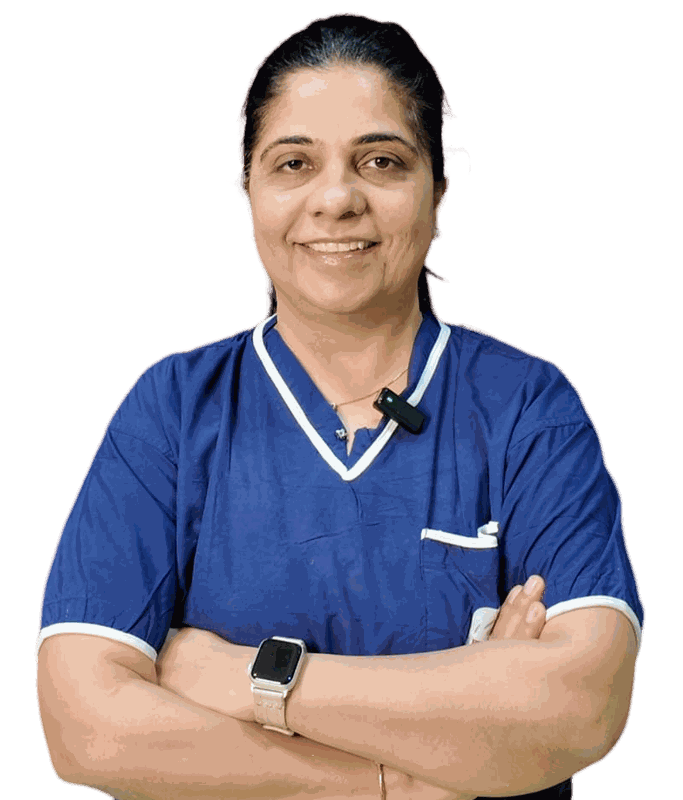
Medical Reviewer
Dr. Monica Sachdev
Dr. Monica Sachdev is a leading IVF specialist in Delhi with over 18 years of experience in reproductive medicine. She is dedicated to providing evidence-based fertility care and has helped thousands of families achieve parenthood.
Ready to Start Your Fertility Journey?
Our friendly team at Pravi IVF is here to stand by you, listen to your story, and help you through every single step.