

If you are exploring thyroid & infertility treatment in Delhi, you may be wondering whether an abnormal thyroid report explains why pregnancy is taking longer. Thyroid disorders can affect ovulation, but they are only one possible factor. The next step is to understand your thyroid results alongside your menstrual pattern and fertility history.
At Pravi Global IVF in Lajpat Nagar, New Delhi, you can discuss fertility concerns and whether thyroid care needs coordination with an endocrinologist.
Key takeaways
- Both an underactive and an overactive thyroid can interfere with ovulation.
- Symptoms alone cannot confirm a thyroid disorder; blood tests are needed.
- Thyroid treatment may improve fertility when thyroid dysfunction is contributing.
- Not everyone with a thyroid condition needs IUI or IVF.
- Medication review and monitoring should continue after pregnancy begins.
Understand how your thyroid affects conception
Your thyroid is a small gland in your neck that produces hormones involved in metabolism and reproductive function. Too much or too little thyroid hormone can disrupt the signals that help your ovaries release an egg.
When your thyroid is underactive
Hypothyroidism means your thyroid does not make enough hormone. It may cause irregular or heavy periods and sometimes raise prolactin, another hormone that can interfere with ovulation. Hashimoto’s disease, an autoimmune condition, is a common cause.
When your thyroid is overactive
Hyperthyroidism means there is too much thyroid hormone. Conditions such as Graves’ disease can cause lighter or less frequent periods. Uncontrolled hyperthyroidism also increases pregnancy risks, so stabilising the condition before conception is usually advised.
A thyroid diagnosis does not mean you cannot conceive. Many people have healthy pregnancies with appropriate treatment, although correcting thyroid levels cannot resolve unrelated fertility problems.
Recognise symptoms that deserve a review
Thyroid symptoms can be subtle and overlap with stress, anaemia or other conditions. Some women have no obvious symptoms and discover an imbalance during an assessment for irregular periods or difficulty conceiving.
- Periods that become irregular, unusually heavy or infrequent.
- Persistent tiredness, constipation or feeling unusually cold.
- Unexplained weight changes or dry skin.
- Palpitations, trembling, heat intolerance or excessive sweating.
- Neck swelling or a known family history of thyroid disease.
These signs are reasons to seek assessment, not to start medication yourself. Chest pain, fainting or a very fast heartbeat needs urgent medical attention rather than a routine fertility appointment.
Get useful answers from thyroid and fertility tests
Start with thyroid function, not assumptions
Thyroid-stimulating hormone, or TSH, is often the starting blood test. Free T4 helps clarify thyroid function when needed. Your doctor interprets the results using the laboratory range, your symptoms, medication history and whether you are pregnant or planning fertility treatment.
Use antibody testing selectively
Thyroid peroxidase antibodies may be checked when autoimmune thyroid disease is suspected or when the result could influence care. A positive antibody result does not automatically mean you need thyroid medicine if your thyroid function is normal.
Check other fertility factors too
Your assessment may include ovulation history, pelvic ultrasound, selected hormone tests and evaluation of the fallopian tubes when indicated. Semen analysis for your partner is also relevant. Focusing only on thyroid results can delay recognition of another treatable cause.
Bring the following to make your consultation more useful:
- Previous TSH, free T4 and antibody reports, with dates.
- Your medication doses and supplement list.
- Period dates and any ovulation-tracking records.
- Details of previous pregnancies, miscarriages or fertility treatment.
- Any previous ultrasound or semen analysis reports.
Thyroid & Infertility Treatment in Delhi: Match Care to Your Results
Treatment depends on whether your thyroid is underactive, overactive or showing a mild laboratory abnormality. Your fertility doctor and thyroid specialist may need to coordinate care, particularly before ovarian stimulation or pregnancy.
Underactive thyroid: replace missing hormone
Overt hypothyroidism is usually treated with levothyroxine. Your doctor adjusts the dose and repeats blood tests, often after several weeks. Preconception targets may differ from the general laboratory range, especially if you already take treatment.
Take levothyroxine consistently as prescribed, usually on an empty stomach. Iron and calcium supplements commonly need to be separated from it by at least four hours. Ask your clinician about your prenatal supplement schedule.
Mild TSH changes: individualise the decision
Subclinical hypothyroidism means TSH is raised while free T4 remains normal. Whether treatment helps depends on the degree of elevation, antibody status and clinical context. A mildly raised TSH alone does not prove that thyroid dysfunction caused infertility.
Overactive thyroid: plan medication around pregnancy
Hyperthyroidism needs specialist management because medication choices and monitoring change around conception and during pregnancy. Radioactive iodine is not used during pregnancy or breastfeeding, and conception must be deferred after treatment for the interval advised by your specialist.
Do not stop or switch thyroid medicine on your own. Ask for a written plan covering when to try conceiving and what to do after a positive pregnancy test.
Choose fertility treatment only when it adds value
If thyroid dysfunction is disrupting ovulation, restoring thyroid balance may help regular cycles return. Your age, duration of trying, tubal status and partner’s semen results help determine whether to allow time for conception or consider fertility treatment.
- Timed intercourse may suit couples with ovulation and no other identified barriers.
- Ovulation medicines may help if egg release remains irregular.
- IUI treatment may be considered in selected cases with suitable sperm and at least one open tube.
- IVF treatment may be appropriate for blocked tubes or other specific indications.
- ICSI treatment may be recommended for particular sperm-related or fertilisation problems, not simply because you have thyroid disease.
Generally, seek fertility assessment after 12 months of trying if you are under 35, or after six months if you are 35 or older. Seek advice sooner for absent or irregular periods, known thyroid disease or other fertility concerns; over 40, prompt assessment is advisable.
Frequently Asked Questions
Can I get pregnant naturally with hypothyroidism?
Yes. Many women conceive naturally when hypothyroidism is appropriately treated. Your chances also depend on age, ovulation, fallopian tube health and sperm factors, so persistent difficulty conceiving deserves a broader assessment.
What TSH level should I aim for before pregnancy?
There is no single target for every situation. For women already treated for hypothyroidism, clinicians often aim for a preconception TSH no higher than 2.5 mIU/L. Your clinician should set your target rather than applying that threshold to everyone.
Will thyroid medication guarantee pregnancy?
No. Treatment corrects thyroid dysfunction and may improve ovulation when that is affected. It cannot guarantee pregnancy or treat other causes, such as blocked tubes, endometriosis or significant sperm problems.
Should I take iodine or thyroid-support supplements?
Do not start high-dose iodine or thyroid-support supplements without medical advice. Excess iodine can worsen some thyroid conditions. Tell your doctor about biotin supplements too, because they can interfere with thyroid blood-test results.
What should I do after a positive pregnancy test?
Contact your treating clinician promptly and continue prescribed medication unless advised otherwise. Thyroid hormone requirements can change early in pregnancy, so you may need an early blood test, dose adjustment and more frequent monitoring.
Book a Thyroid and Fertility Consultation
You do not need every test completed before asking for help. Bring your existing reports to Pravi Global IVF in Lajpat Nagar, New Delhi, and discuss which assessments and treatment decisions are relevant to you.
Call +91 80091 50040 or book an appointment. For clinic directions and visit planning, see our contact page.
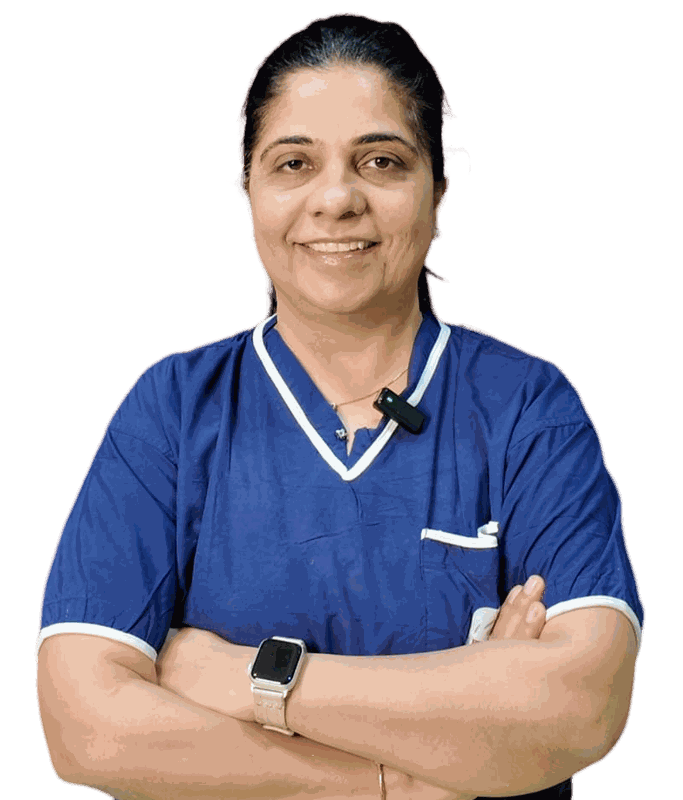
Medical Reviewer
Dr. Monica Sachdev
Dr. Monica Sachdev is a leading IVF specialist in Delhi with over 18 years of experience in reproductive medicine. She is dedicated to providing evidence-based fertility care and has helped thousands of families achieve parenthood.
Ready to Start Your Fertility Journey?
Our friendly team at Pravi IVF is here to stand by you, listen to your story, and help you through every single step.