

Key Takeaways
- Untreated thyroid disease can affect ovulation and pregnancy health, but many people conceive with appropriate treatment.
- Thyroid-stimulating hormone (TSH) and free T4 results need interpretation alongside symptoms, medicines, and pregnancy plans.
- Do not stop or change thyroid medication without medical advice.
- A positive pregnancy test should prompt an early review because medication needs can change.
Thyroid control before pregnancy attempt means checking whether your thyroid condition is appropriately treated before you start trying. It is not about achieving a perfect report or assuming that every borderline result needs medicine.
Patient-story note: No verified patient case was supplied for this article, so it does not describe a real patient's treatment or outcome. The guidance below is educational, not a patient testimonial.
Why Thyroid Health Matters When Planning Pregnancy
The thyroid makes hormones that support metabolism and many other body functions. Too little thyroid hormone, called hypothyroidism, or too much, called hyperthyroidism, can disturb menstrual cycles and ovulation.
Untreated overt thyroid disease can also increase risks during pregnancy, including miscarriage and premature birth. Appropriate treatment helps reduce these risks, although no treatment can guarantee conception or a complication-free pregnancy.
A thyroid result is only one part of a fertility assessment. Age, sperm health, fallopian tube function, and other ovulation conditions may also influence how quickly pregnancy happens.
Thyroid Control Before Pregnancy Attempt: Where to Start
Book a preconception review if you already have thyroid disease, take thyroid medicine, or have symptoms that concern you. Bring previous reports so your clinician can assess trends rather than a single number.
Testing is particularly worth discussing if you have irregular periods, a personal or family history of thyroid disease, an autoimmune condition, or previous thyroid surgery. Fertility difficulties or recurrent pregnancy loss may also prompt assessment, depending on your history.
- Write down your medicine name, dose, and usual timing.
- Bring recent TSH and free T4 reports, if available.
- List prenatal vitamins, iron, calcium, and other supplements.
- Mention palpitations, unusual fatigue, constipation, tremor, or unexplained weight changes.
- Explain whether you are trying naturally or considering fertility treatment.
Which Tests Might Be Recommended?
TSH is commonly the starting test, with free T4 used to clarify thyroid function when appropriate. Thyroid peroxidase antibodies may be requested in selected situations, but not everyone needs every test.
Tell your clinician about biotin-containing hair or nail supplements because they can interfere with some thyroid tests. Ask whether you should pause them before testing and for how long.
| Finding or situation | What it may mean | What to discuss |
|---|---|---|
| High TSH with low free T4 | Usually indicates overt hypothyroidism | Treatment and stabilisation before conception |
| High TSH with normal free T4 | May indicate subclinical hypothyroidism | Whether treatment is appropriate for your circumstances |
| Low TSH with elevated thyroid hormones | May indicate hyperthyroidism | Specialist assessment and a pregnancy-safe plan |
| Normal thyroid function with positive antibodies | May indicate thyroid autoimmunity | Monitoring; medication is not automatically necessary |
What TSH Level Should You Aim For?
There is no single treatment threshold that applies to everyone trying to conceive. Your diagnosis, laboratory reference range, antibody status, and treatment history all matter.
For women already taking levothyroxine for hypothyroidism, clinicians commonly aim for a preconception TSH between the lower reference limit and 2.5 mIU/L. That target should not be interpreted as proof that everyone with a TSH above 2.5 has thyroid disease or needs medication.
Mildly raised TSH with normal free T4 needs a more individual discussion. Evidence and recommendations vary in some fertility settings, so ask what benefit treatment is expected to offer in your case.
If You Take Levothyroxine
Levothyroxine replaces the hormone your thyroid is not making adequately and is compatible with pregnancy. Consistent use helps make blood-test results more reliable and dose adjustments more meaningful.
- Take it with water, usually on an empty stomach, as prescribed.
- A common approach is to wait 30–60 minutes before breakfast.
- Separate iron and calcium supplements from levothyroxine by at least four hours.
- Ask your clinician what to do after a missed dose.
- Avoid changing the dose in response to symptoms alone.
TSH is often rechecked around four to six weeks after a dose change, although your clinician may choose a different interval. If results remain outside the target range, review medicine timing and absorption issues as well as the dose.
If You Have an Overactive Thyroid
Hyperthyroidism needs careful planning because both uncontrolled disease and some treatments can affect pregnancy. If you have Graves' disease, involve your endocrinologist before trying to conceive.
Your clinician may recommend waiting until thyroid function is stable and your medication plan has been reviewed. Antithyroid medicine choices can differ before and during pregnancy; do not switch or stop treatment yourself.
Radioactive iodine treatment is not used during pregnancy, and conception must be delayed afterwards according to specialist advice. Previous Graves' disease still matters even after surgery or radioactive iodine because relevant antibodies can persist.
How Thyroid Care Fits With Fertility Treatment
Planning thyroid control before pregnancy attempt should support your fertility care, not replace a broader assessment. A thyroid diagnosis does not automatically mean you need IVF.
Depending on the findings, options may include continued natural attempts or IUI treatment in Lajpat Nagar. Your clinician can explain whether either option is appropriate.
If you are exploring IVF treatment in Lajpat Nagar, Delhi, ask how thyroid monitoring fits around stimulation and embryo transfer. ICSI treatment addresses particular fertilisation concerns; it does not treat thyroid disease.
A Practical Plan for Your Next Appointment
At Pravi Global IVF in Lajpat Nagar, New Delhi, you can discuss your fertility plans and bring your existing thyroid reports. Ask whether separate endocrinology input is advisable and who will arrange follow-up testing.
- Confirm your individual thyroid target and why it was chosen.
- Ask whether you can keep trying or should pause temporarily.
- Agree on the next blood-test date.
- Request instructions for what to do after a positive pregnancy test.
- Discuss folic acid and check supplements for excessive iodine.
A balanced diet supports general health, but food or supplements cannot replace prescribed thyroid treatment. Avoid high-dose iodine or “thyroid support” products unless your clinician recommends them.
Use the contact page to check appointment arrangements. Bringing your reports and medication list can help make the consultation more useful.
Frequently Asked Questions
Can I get pregnant if I have hypothyroidism?
Yes, many people with treated hypothyroidism conceive. If pregnancy does not happen, a broader fertility assessment may be needed rather than assuming the thyroid is the only cause.
How long does thyroid control before pregnancy attempt take?
There is no fixed timeline. Some people are already within their target range, while others need dose adjustments and repeat blood tests over several weeks or longer.
Does a TSH above 2.5 always need treatment?
No. A preconception target for someone already taking levothyroxine is different from a threshold for starting treatment. Free T4, the degree of TSH elevation, and your clinical history help guide decisions.
What should I do after a positive pregnancy test?
Contact your clinician promptly for thyroid testing and a medication review. Levothyroxine requirements often increase early in pregnancy; follow any pre-agreed dose plan rather than improvising one.
Should I stop trying until my thyroid results improve?
Not necessarily. Uncontrolled overt thyroid disease often warrants stabilisation first, while a mildly abnormal result needs individual assessment. Ask your clinician to balance thyroid health with your age and fertility circumstances.
Discuss your preconception plan with Pravi Global IVF, Lajpat Nagar, New Delhi. Call +91 80091 50040 or book an appointment.
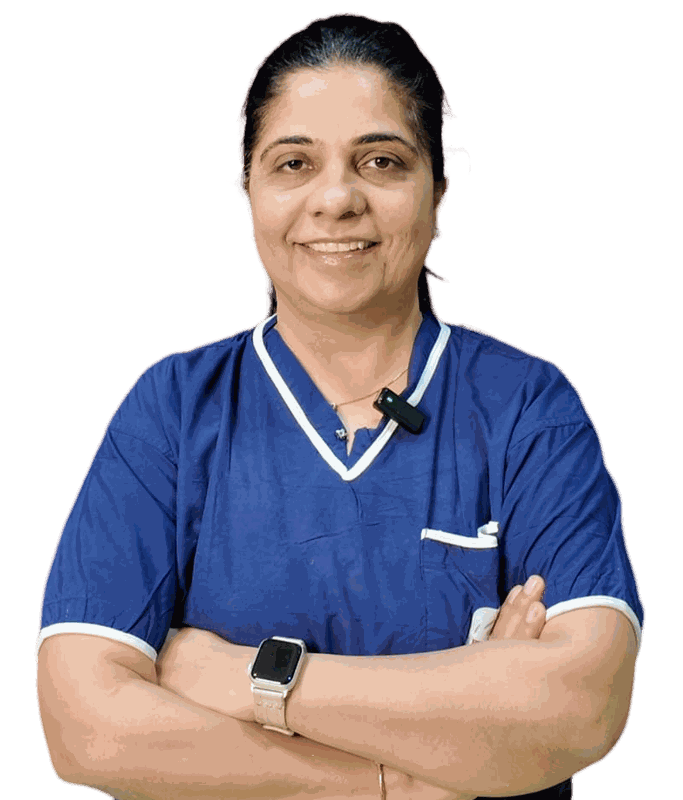
Medical Reviewer
Dr. Monica Sachdev
Dr. Monica Sachdev is a leading IVF specialist in Delhi with over 18 years of experience in reproductive medicine. She is dedicated to providing evidence-based fertility care and has helped thousands of families achieve parenthood.
Ready to Start Your Fertility Journey?
Our friendly team at Pravi IVF is here to stand by you, listen to your story, and help you through every single step.