

Understanding the TESA & PESA process is crucial for couples exploring male infertility solutions, particularly when considering advanced reproductive technologies like IVF. These procedures offer hope for men with certain sperm production or transport issues, enabling them to father biological children.
Key Takeaways
- TESA and PESA are minimally invasive procedures to retrieve sperm directly from the testicles or epididymis.
- They are primarily used for men with azoospermia (absence of sperm in ejaculate) due to blockages or production problems.
- The procedures are typically quick, performed under local or general anesthesia, and have a relatively fast recovery time.
- Sperm retrieved through TESA or PESA is almost always used in conjunction with ICSI (Intracytoplasmic Sperm Injection) during an IVF cycle.
- Consultation with a fertility specialist is essential to determine the most suitable sperm retrieval method.
What Are TESA and PESA?
TESA (Testicular Sperm Aspiration) and PESA (Percutaneous Epididymal Sperm Aspiration) are surgical techniques used to retrieve sperm from the male reproductive system when natural ejaculation is not possible or does not contain viable sperm.
These methods are vital components of modern fertility treatment, particularly for men facing specific challenges in sperm delivery or production.
TESA: Testicular Sperm Aspiration
TESA involves aspirating (drawing out) sperm directly from the testicular tissue using a fine needle. This procedure is generally performed in cases where sperm production might be low but present, or when there's an obstruction preventing sperm release.
PESA: Percutaneous Epididymal Sperm Aspiration
PESA involves retrieving sperm from the epididymis, a coiled tube located behind the testicle where sperm mature and are stored. It is typically the preferred method for men with obstructive azoospermia, meaning sperm are produced but cannot exit due to a blockage.
When is the TESA & PESA Process Recommended?
The decision to proceed with TESA or PESA is made after a thorough evaluation by a fertility specialist.
These procedures are often recommended in several specific male infertility scenarios.
- Obstructive Azoospermia: This is when sperm are produced in the testes but a blockage prevents them from being ejaculated. Conditions like vasectomy, congenital absence of the vas deferens, or infections can cause this.
- Non-Obstructive Azoospermia: In some cases, the testes produce very few sperm, or sperm production is impaired. TESA might be used to find these rare sperm within the testicular tissue.
- Ejaculatory Dysfunction: Men who cannot ejaculate due to spinal cord injuries, nerve damage, or other medical conditions may benefit.
- Failed Vasectomy Reversal: If a vasectomy reversal was unsuccessful, TESA or PESA can still retrieve sperm for IVF.
A comprehensive diagnostic workup, including hormone tests and genetic screening, will help determine the underlying cause of infertility and guide the choice of procedure.
The TESA & PESA Process: A Step-by-Step Guide
While specific details may vary, the general steps for both TESA and PESA follow a similar pattern.
It's important to discuss the exact protocol with your fertility doctor at Pravi Global IVF in Lajpat Nagar, Delhi.
Preparation Before the Procedure
- Consultation and Assessment: Initial meetings with a fertility specialist, semen analysis, hormone tests, and sometimes genetic screening.
- Medication Review: Discontinue blood-thinning medications or supplements as advised by the doctor.
- Fasting: You will likely need to fast for a certain period before the procedure if general anesthesia is used.
During the Procedure
Both TESA and PESA are relatively short outpatient procedures.
They are typically performed under local anesthesia with sedation, or sometimes general anesthesia, to ensure patient comfort.
| Feature | PESA (Percutaneous Epididymal Sperm Aspiration) | TESA (Testicular Sperm Aspiration) |
|---|---|---|
| Target Area | Epididymis (behind the testicle) | Testicular tissue (within the testicle) |
| Method | Needle inserted into the epididymis to aspirate fluid. | Needle inserted directly into the testicle to aspirate tissue/sperm. |
| Primary Use Case | Obstructive azoospermia (sperm production is fine, but there's a blockage). | Both obstructive and non-obstructive azoospermia (when sperm may be present in the testes but not in ejaculate). |
| Sperm Quality Expectation | Often more mature, motile sperm. | Can yield less mature sperm, but still viable for ICSI. |
| Invasiveness | Minimally invasive. | Minimally invasive, slightly more so than PESA. |
For PESA, the doctor inserts a fine needle through the scrotal skin into the epididymis to gently aspirate fluid containing sperm.
For TESA, a needle is inserted directly into the testis to extract a small amount of tissue, which is then processed in the lab to isolate sperm.
Post-Procedure and Sperm Handling
Immediately after retrieval, the collected fluid or tissue is sent to the embryology lab.
Embryologists examine the sample under a microscope to identify and isolate viable sperm.
These retrieved sperm are almost always used with ICSI, where a single sperm is injected directly into an egg, significantly increasing the chances of fertilization.
Any excess viable sperm can be cryopreserved (frozen) for future IVF cycles, avoiding the need for repeated procedures.
Recovery and Timeline for TESA & PESA
Recovery from both TESA and PESA is generally straightforward, allowing most men to return to normal activities fairly quickly.
However, it's essential to follow your doctor's post-operative instructions carefully.
Immediate Post-Procedure Care
- You will likely experience some mild discomfort, swelling, or bruising in the scrotal area.
- Pain medication will be prescribed or recommended to manage any discomfort.
- Applying ice packs to the area can help reduce swelling.
- Avoid strenuous activities, heavy lifting, and sexual intercourse for a few days to a week.
Long-Term Recovery and Follow-Up
Most men can resume light activities within 1-2 days and return to full normal activities within a week.
A follow-up appointment with your fertility specialist will be scheduled to assess your recovery and discuss the results of the sperm retrieval.
The timeline for the entire IVF process, including ovarian stimulation for the female partner and embryo transfer, will then be coordinated.
Benefits and Considerations of TESA & PESA
These procedures offer significant advantages for couples facing male factor infertility.
They make it possible for many men who otherwise couldn't, to have biological children.
Key Benefits
- Enables Parenthood: Provides a pathway to biological parenthood for men with severe male factor infertility.
- Minimally Invasive: Both procedures are less invasive than traditional open surgical sperm retrieval methods.
- High Success with ICSI: When used with ICSI, retrieved sperm often lead to successful fertilization and pregnancy.
- Outpatient Procedure: Generally performed on an outpatient basis, allowing you to return home the same day.
Important Considerations
While effective, it's important to be aware of certain aspects.
Not all men with non-obstructive azoospermia will have sperm retrieved, although advanced techniques improve these chances.
The quality and quantity of retrieved sperm can vary significantly between individuals.
There are potential risks, like with any medical procedure, including minor bleeding, infection, or discomfort, though these are rare.
Choosing the Right Treatment at Pravi Global IVF
Deciding on the best course of treatment, including whether the TESA & PESA process is right for you, requires a personalized approach.
Our experienced team at Pravi Global IVF in Lajpat Nagar, New Delhi, is dedicated to providing comprehensive care and support.
We believe in clear communication and ensuring you understand all your options.
Our specialists will thoroughly evaluate your situation, explain the potential benefits and risks, and help you make an informed decision tailored to your unique needs.
Frequently Asked Questions
What is the difference between TESA and PESA?
PESA (Percutaneous Epididymal Sperm Aspiration) involves aspirating sperm from the epididymis, typically used for obstructive azoospermia. TESA (Testicular Sperm Aspiration) involves aspirating sperm directly from the testicular tissue, used for both obstructive and some non-obstructive cases.
Is the TESA & PESA process painful?
The procedures are performed under local or general anesthesia, so you should not feel pain during the procedure. Afterwards, mild discomfort, bruising, or swelling is common but usually manageable with prescribed pain medication.
How long does recovery take after TESA or PESA?
Most men can resume light activities within 1-2 days. Full recovery, including avoiding strenuous activity and sexual intercourse, usually takes about a week. Your doctor will provide specific post-operative instructions.
What happens to the retrieved sperm?
The retrieved sperm are immediately analyzed by embryologists. They are then used for ICSI (Intracytoplasmic Sperm Injection), where a single sperm is injected into each egg to achieve fertilization. Any extra viable sperm can be cryopreserved (frozen) for future use.
What are the success rates of TESA/PESA combined with IVF?
The success rates of IVF cycles using sperm retrieved through TESA or PESA depend on various factors, including the woman's age, overall egg quality, and the specific cause of male infertility. While individual outcomes vary, these techniques significantly increase the chances of pregnancy for couples facing severe male factor infertility. We encourage you to discuss your specific prognosis with our fertility specialists.
To learn more or book an appointment, please contact Pravi Global IVF at +91 80091 50040.
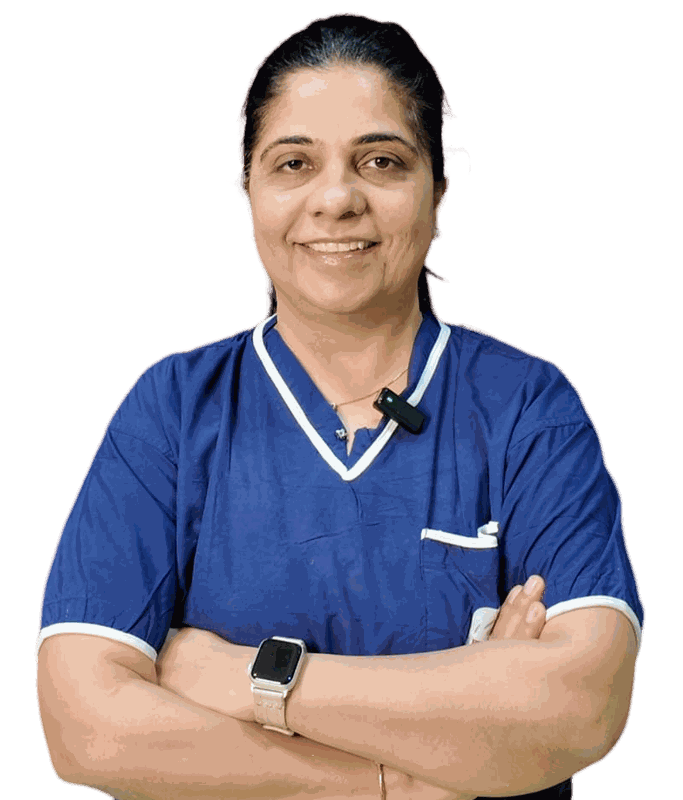
Medical Reviewer
Dr. Monica Sachdev
Dr. Monica Sachdev is a leading IVF specialist in Delhi with over 18 years of experience in reproductive medicine. She is dedicated to providing evidence-based fertility care and has helped thousands of families achieve parenthood.
Ready to Start Your Fertility Journey?
Our friendly team at Pravi IVF is here to stand by you, listen to your story, and help you through every single step.