

When facing male infertility challenges, particularly those involving sperm production or transport issues, advanced techniques like TESA & PESA in Delhi offer hope. These procedures are crucial for couples pursuing fertility treatments such as IVF, especially when conventional methods are not viable.
Understanding TESA & PESA can help you make informed decisions about your fertility journey.
Key Takeaways
- TESA (Testicular Sperm Aspiration) and PESA (Percutaneous Epididymal Sperm Aspiration) are minimally invasive procedures to retrieve sperm directly from the male reproductive tract.
- They are primarily used for men with azoospermia (absence of sperm in ejaculate) due to blockages or production issues.
- Preparation involves medical evaluation, hormone tests, and sometimes genetic screening to determine the most suitable approach.
- Discussing the procedure details, potential risks, and success rates with your fertility specialist is vital before deciding.
- These techniques are often combined with IVF or ICSI to maximize pregnancy chances.
What Are TESA and PESA?
TESA and PESA are specialized sperm retrieval techniques. They are designed for situations where sperm cannot be obtained through normal ejaculation.
These methods are vital for men diagnosed with conditions like azoospermia, whether obstructive or non-obstructive.
Percutaneous Epididymal Sperm Aspiration (PESA)
PESA is a simpler, less invasive procedure. It involves inserting a fine needle through the skin of the scrotum into the epididymis.
The epididymis is a coiled tube located at the back of the testicle, where sperm are stored and mature. Sperm are then aspirated (drawn out) with a syringe.
Testicular Sperm Aspiration (TESA)
TESA is used when PESA is not successful or when sperm production is the primary issue. It involves inserting a needle directly into the testicle itself.
A small amount of testicular tissue containing sperm is aspirated. This tissue is then processed in the lab to extract viable sperm.
Who Needs TESA & PESA in Delhi?
These procedures are recommended for men facing specific fertility challenges. Your doctor will carefully assess your situation to determine if TESA or PESA is appropriate.
- Obstructive Azoospermia: This occurs when sperm are produced but cannot reach the ejaculate due to a blockage. Blockages can result from infections, previous surgeries (like vasectomy), or congenital absence of the vas deferens.
- Non-Obstructive Azoospermia: In this case, the testicles produce very few or no sperm. This can be due to genetic factors, hormonal imbalances, or testicular damage. TESA is often preferred here as it directly samples testicular tissue where sperm might be found.
- Failed Previous Sperm Retrieval: If other, less invasive methods have not yielded sufficient or viable sperm, TESA or PESA might be considered.
- Men with Ejaculatory Dysfunction: Some men may not be able to ejaculate due to spinal cord injuries, neurological conditions, or certain medications.
It's important to have a thorough diagnostic workup before considering these procedures. This typically includes semen analysis, hormone tests, and sometimes genetic testing.
Preparing for TESA or PESA
Preparation is key for a smooth and successful procedure. Your fertility specialist will provide detailed instructions tailored to your specific case.
Generally, preparation involves several steps:
- Medical Evaluation: A comprehensive review of your medical history and a physical examination.
- Diagnostic Tests: Blood tests to check hormone levels (like FSH, testosterone) and potentially genetic tests (e.g., Karyotyping, Y-chromosome microdeletion).
- Medication Review: Inform your doctor about all medications, supplements, or herbal remedies you are taking. You may need to stop certain blood-thinning medications before the procedure.
- Abstinence: You might be advised to abstain from ejaculation for a few days prior to the procedure, though this is primarily for the female partner's cycle synchronization.
- Anesthesia Consultation: You will discuss the type of anesthesia (local or general) to be used with the anesthesiologist.
- Logistics: Arrange for transportation home, as you might not be able to drive after the procedure.
Our team at Pravi Global IVF will guide you through each step. We ensure you feel comfortable and fully informed.
The Procedure and Recovery
Both TESA and PESA are typically outpatient procedures, meaning you can go home the same day. They are usually performed under local anesthesia, though general anesthesia can be an option in some cases.
The procedures are relatively quick, often taking less than an hour.
During the Procedure
For PESA, a fine needle is inserted into the epididymis. For TESA, the needle is inserted into the testicle.
Sperm-containing fluid or tissue is gently aspirated. The samples are immediately examined by an embryologist to confirm the presence of viable sperm.
After the Procedure
You may experience some mild discomfort, swelling, or bruising in the scrotal area. Pain medication can manage this.
Rest is recommended for a day or two. Avoid strenuous activities, heavy lifting, and sexual intercourse for about a week.
Your doctor will provide specific post-procedure care instructions. Following these instructions is crucial for optimal healing.
TESA vs. PESA: A Comparison
Choosing between TESA and PESA depends on the individual's specific diagnosis and sperm retrieval needs. Here's a brief overview:
| Feature | PESA (Percutaneous Epididymal Sperm Aspiration) | TESA (Testicular Sperm Aspiration) |
|---|---|---|
| Source of Sperm | Epididymis | Testicle |
| Invasiveness | Less invasive (needle through skin) | More invasive (needle into testis) |
| Primary Use Case | Obstructive Azoospermia | Non-Obstructive Azoospermia, failed PESA |
| Anesthesia | Local (often sufficient) | Local or general |
| Sperm Quantity | Usually good quantity, mature sperm | May yield fewer, less mature sperm; requires careful lab processing |
| Recovery Time | Shorter | Slightly longer |
Your fertility specialist will discuss which procedure is best suited for your situation during your consultation for IVF treatment in Lajpat Nagar, Delhi.
Questions to Ask Your Fertility Specialist
Being prepared with questions can help you feel more confident about your treatment plan. Don't hesitate to ask anything that concerns you.
- Is TESA or PESA more suitable for my specific condition, and why?
- What are the success rates of these procedures at your clinic?
- What are the potential risks and side effects?
- How will the retrieved sperm be used? Will it be fresh or frozen?
- What is the overall timeline for the procedure and subsequent ICSI treatment in Lajpat Nagar, Delhi?
- What are the costs involved, and what does the fee cover?
- What are the alternatives if this procedure doesn't yield sperm?
- How should I prepare in the days leading up to the procedure?
- What should I expect during recovery, and what are the signs of potential complications?
Open communication with your medical team is essential. Our team is here to answer all your questions thoroughly.
The Role of TESA & PESA in Delhi Fertility Treatments
These advanced sperm retrieval techniques are integral to modern fertility care. They open doors for couples who previously had limited options.
Once sperm are retrieved, they are almost always used in conjunction with IVF treatment in Lajpat Nagar, Delhi, often with ICSI (Intracytoplasmic Sperm Injection).
ICSI involves injecting a single sperm directly into an egg. This maximizes the chances of fertilization, even with a limited number of sperm.
While IUI treatment in Lajpat Nagar, Delhi uses washed sperm directly into the uterus, TESA/PESA retrieved sperm are typically not suitable for IUI due to the invasive retrieval method and often lower sperm count/motility compared to ejaculated samples.
TESA & PESA in Delhi have significantly improved the outlook for men with severe male factor infertility. They represent a testament to the advancements in reproductive medicine.
Frequently Asked Questions
What is the difference between TESA and PESA?
PESA extracts sperm from the epididymis using a needle through the skin, typically for obstructive azoospermia. TESA extracts sperm or tissue from the testicle itself, often for non-obstructive azoospermia or if PESA is unsuccessful.
Are TESA and PESA painful?
Both procedures are performed under local or general anesthesia, so you should not feel pain during the procedure. Mild discomfort, swelling, or bruising can occur afterward, which can be managed with pain medication.
How long does recovery take after TESA or PESA?
Recovery usually involves a day or two of rest. Most men can resume light activities within a few days, with full recovery, including avoiding strenuous activity and intercourse, typically taking about a week.
What happens if no sperm are found during TESA or PESA?
While clinics strive for success, it is possible no viable sperm are found. In such cases, your fertility specialist will discuss alternative options, such as using donor sperm, adoption, or exploring other advanced research treatments.
How do I schedule a consultation for TESA & PESA in Delhi?
You can schedule a consultation by visiting our Book Appointment page or by contacting our clinic directly. We encourage you to reach out to our team at Pravi Global IVF via our contact page or call us to discuss your options. Take the first step towards understanding your fertility journey. Call us today at +91 80091 50040.
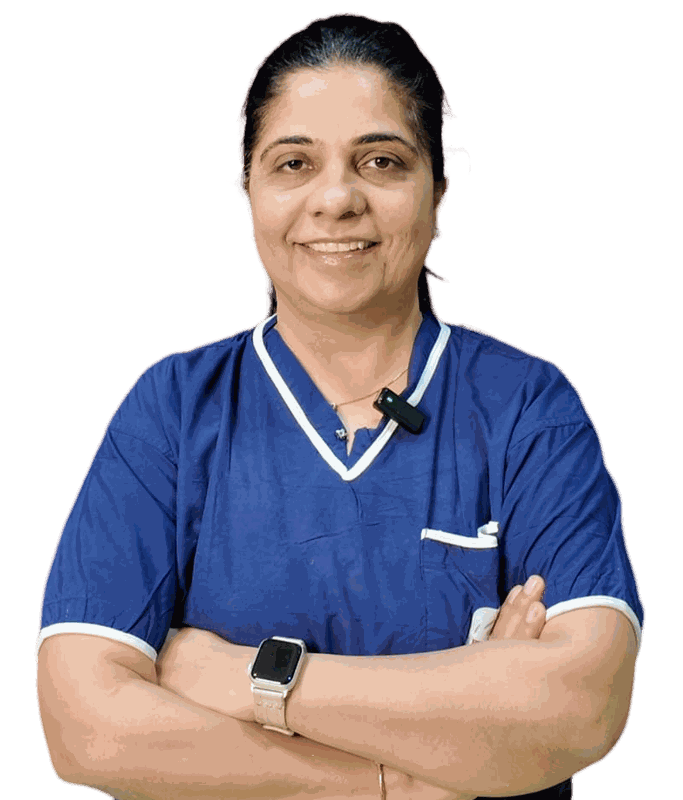
Medical Reviewer
Dr. Monica Sachdev
Dr. Monica Sachdev is a leading IVF specialist in Delhi with over 18 years of experience in reproductive medicine. She is dedicated to providing evidence-based fertility care and has helped thousands of families achieve parenthood.
Ready to Start Your Fertility Journey?
Our friendly team at Pravi IVF is here to stand by you, listen to your story, and help you through every single step.