

For couples undergoing In Vitro Fertilization (IVF), the focus is often on retrieving eggs and creating healthy embryos. However, a successful pregnancy also requires a receptive uterine environment. The hormone responsible for preparing this environment in early cycle development is estrogen.
The role of estrogen in IVF transfer cycles is to build a thick, healthy endometrial lining that is optimal for embryo implantation. Understanding how estrogen works and how specialists manage estrogen medications can help you understand your transfer protocol.
What Is Estrogen and What Does It Do?
Estrogen (Estradiol or E2) is produced by growing follicles. It prepares the uterus by:
- Thickening the Endometrium: Stimulates uterine cells to divide, building a thick, nutrient-rich lining.
- Creating the Trilaminar Pattern: Helps form the triple-line pattern on ultrasound, signaling receptivity.
- Improving Blood Flow: Promotes circulation to pelvic organs.
Why Estrogen Support is Essential in IVF
1. Medicated Frozen Embryo Transfers (FET)
Medicated FET cycles suppress natural ovulation to control transfer timing. Estrogen medications (oral, transdermal, or vaginal) are started at cycle onset to build the lining before adding progesterone.
2. Estrogen Priming in IVF Stimulation
Used to synchronize follicle growth (especially in low ovarian reserve), leading to a more consistent cycle yield. Learn more in our guide on low ovarian reserve pregnancy.
Support Your Embryo Transfer
Monitoring and customizing hormone levels is key to IVF success. If you are preparing for a transfer or want to discuss your protocol, you can schedule an IVF consultation at Pravi Global IVF.
Monitoring Estrogen & Lining Thickness
The ideal target endometrial thickness before transfer is **between 8 mm and 12 mm**. A thickness below 7 mm is considered thin. Estradiol blood levels are checked to verify normal absorption (target is usually above 100 to 200 pg/mL before starting progesterone).
Conclusion
Understanding the role of estrogen in IVF transfer cycles highlights how this simple hormone lays the foundation for successful implantation. By thickening the uterine lining and supporting blood circulation, estrogen prepares your body to receive and support a developing embryo.
Our clinical team provides personalized hormone management to optimize embryo transfer outcomes. Contact Pravi Global IVF today to schedule a consultation with an IVF specialist.
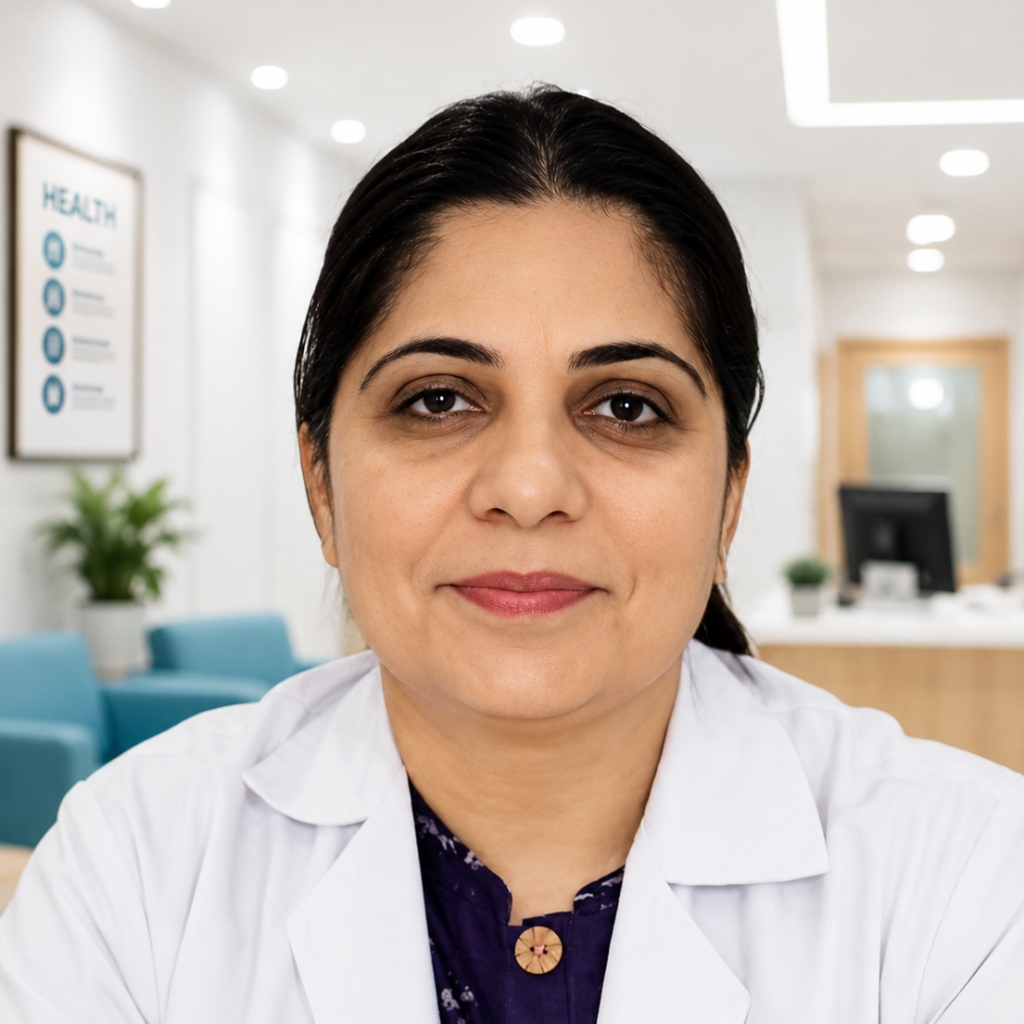
Medical Reviewer
Dr. Monica Sachdev
Dr. Monica Sachdev is a leading IVF specialist in Delhi with over 18 years of experience in reproductive medicine. She is dedicated to providing evidence-based fertility care and has helped thousands of families achieve parenthood.
Ready to Start Your Fertility Journey?
Our friendly team at Pravi IVF is here to stand by you, listen to your story, and help you through every single step.