

When preparing for fertility treatments like IVF, a healthy uterine lining, known as the endometrium, is crucial for successful embryo implantation. Many women face challenges with a thin endometrium, and one innovative solution gaining attention is the PRP for thin endometrium process.
Key Takeaways
- PRP therapy uses a woman's own concentrated platelets to help thicken the uterine lining.
- The process involves blood collection, platelet separation, and gentle uterine infusion.
- Preparation includes avoiding certain medications and ensuring no active infections.
- Recovery is typically quick, with most women resuming normal activities immediately.
- PRP is considered a safe option, often used when other methods for endometrial thickening haven't been effective.
Understanding the Endometrium and its Importance
The endometrium is the inner lining of the uterus. It plays a vital role in conception.
During a woman's menstrual cycle, the endometrium thickens in preparation for a potential pregnancy. If a fertilized egg implants, the endometrium provides the necessary nourishment and support.
A thin endometrial lining, typically less than 7mm, can make it challenging for an embryo to implant successfully. This can lead to difficulties in achieving pregnancy.
What is PRP and How Does it Work?
PRP stands for Platelet-Rich Plasma. It's a concentrated solution derived from your own blood.
PRP contains a high concentration of platelets, growth factors, and cytokines. These elements are known to promote cell growth, tissue repair, and reduce inflammation.
When used for the uterus, PRP is believed to stimulate the growth of endometrial cells. It can potentially improve the blood supply to the uterine lining and enhance its thickness and receptivity.
The PRP for Thin Endometrium Process: Step-by-Step
The PRP for thin endometrium process is a straightforward procedure performed in a clinic setting.
Step 1: Consultation and Preparation
Before any treatment, you'll have a detailed consultation with your fertility specialist. They will review your medical history and assess if PRP is suitable for you.
- Initial Assessment: This includes a review of your fertility history, previous IVF cycles, and current endometrial thickness.
- Pre-Procedure Instructions: You might be advised to stop certain medications, like NSAIDs or blood thinners, a few days before the procedure.
- Cycle Timing: PRP is usually scheduled during the follicular phase of your menstrual cycle, often around day 8-10, to align with endometrial growth.
- Infection Screening: Ensuring there are no active infections is important for safety.
Step 2: Blood Collection
The first step on the day of the procedure is a simple blood draw. A small amount of blood, similar to a routine blood test, is taken from your arm.
This blood will be used to prepare your personalized PRP solution.
Step 3: PRP Preparation
Your blood sample is then processed in a specialized centrifuge machine. This machine spins the blood at high speeds.
The spinning separates the blood components, isolating the plasma rich in platelets and growth factors. This concentrated solution is your Platelet-Rich Plasma.
Step 4: Uterine Infusion
The prepared PRP is carefully instilled into your uterus. This is done using a thin, flexible catheter, similar to an IUI procedure.
The procedure is usually quick and typically causes minimal discomfort. Some women might experience mild cramping.
Step 5: Post-Procedure Monitoring
After the PRP infusion, your doctor will monitor your endometrial thickness. This is typically done through transvaginal ultrasounds.
Multiple PRP treatments may be recommended depending on your response. The goal is to achieve an optimal endometrial thickness for embryo transfer.
Recovery and Potential Side Effects
Recovery after the PRP procedure is generally quick and uneventful. Most women can resume their normal activities almost immediately.
You might experience some light spotting or mild cramping for a short period. Serious side effects are rare because PRP uses your own blood, minimizing risks of allergic reactions or disease transmission.
Always follow any specific post-procedure instructions given by your fertility clinic. For more information on treatments like IVF treatment in Lajpat Nagar, Delhi, or ICSI treatment in Lajpat Nagar, Delhi, speak with our specialists.
Who Can Benefit from PRP for Thin Endometrium?
PRP therapy is often considered for specific situations where a thin endometrium is a persistent issue.
It can be a valuable option for women undergoing assisted reproductive technologies. This includes those who have previously experienced unsuccessful embryo transfers due to insufficient endometrial thickness.
| Candidate Profile | Potential Benefit |
|---|---|
| History of thin endometrium (< 7mm) | May improve endometrial growth and receptivity |
| Repeated implantation failure in IVF | Could enhance uterine environment for implantation |
| Poor response to conventional endometrial priming | Offers an alternative or adjunct therapy |
| Desire to use a natural, autologous treatment | Uses own blood, minimizing external risks |
It's important to remember that individual responses to PRP can vary. Your fertility specialist will discuss whether this approach is right for your unique situation.
Why Choose Pravi Global IVF for PRP Treatment?
At Pravi Global IVF in Lajpat Nagar, New Delhi, we are dedicated to offering advanced and personalized fertility care. Our experienced team uses state-of-the-art techniques for treatments like the PRP for thin endometrium process.
We understand the emotional and physical challenges of fertility treatment. We strive to provide a supportive and compassionate environment. Our goal is to help you achieve your dream of parenthood.
If you're considering PRP or other fertility options, we invite you to consult with our experts. Learn more about our comprehensive services, including IUI treatment in Lajpat Nagar, Delhi, and discuss the best path forward for you.
You can easily book an appointment online or contact us directly.
Frequently Asked Questions
1. Is the PRP for thin endometrium process painful?
The procedure is generally well-tolerated. Most women experience mild discomfort similar to a Pap smear or IUI, often described as light cramping. Pain relief can be offered if needed.
2. How many PRP sessions are typically needed?
The number of PRP sessions varies depending on individual response and the severity of the thin endometrium. Some women may benefit from one session, while others might require two or more. Your doctor will monitor your progress and advise accordingly.
3. What is the success rate of PRP for thin endometrium?
While studies show promising results for PRP in improving endometrial thickness and pregnancy rates, success rates can vary widely. It depends on various factors such as the individual's overall fertility health and underlying causes of thin endometrium. It's best to discuss expected outcomes with your fertility specialist.
4. Are there any risks associated with PRP for thin endometrium?
Since PRP uses your own blood, the risks are generally minimal. Potential, though rare, side effects include mild infection at the blood draw site or temporary discomfort. Allergic reactions are extremely rare. Your doctor will discuss all potential risks before the procedure.
5. When can embryo transfer happen after PRP?
Embryo transfer is typically scheduled a few days after the PRP infusion, once the endometrial thickness has reached an optimal level. Your fertility specialist will monitor your endometrial response through ultrasound and determine the best timing for your transfer. For any questions, please call us at +91 80091 50040.
Medical Reviewer
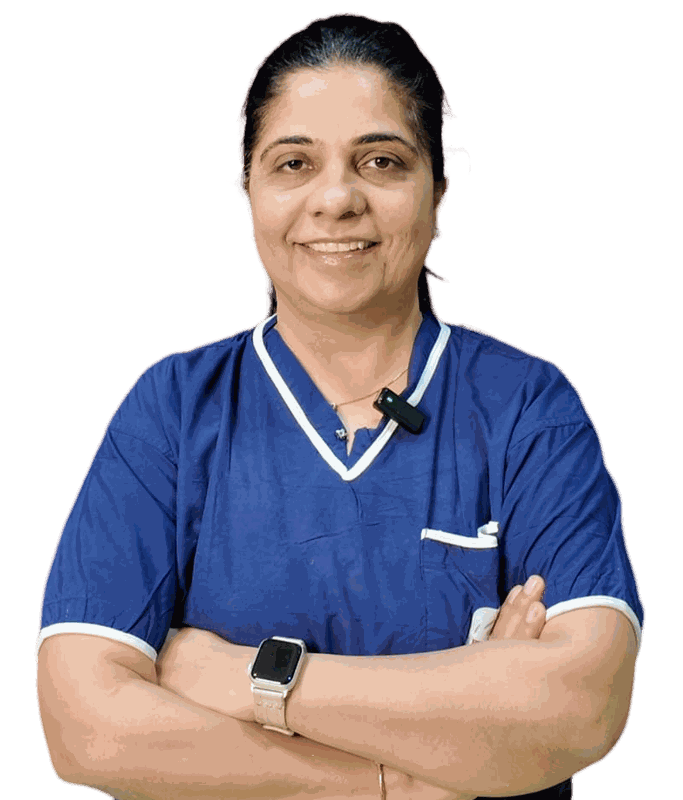
Dr. Monica Sachdev
Dr. Monica Sachdev is a leading IVF specialist in Delhi with over 18 years of experience in reproductive medicine. She is dedicated to providing evidence-based fertility care and has helped thousands of families achieve parenthood.
Ready to Start Your Fertility Journey?
Our friendly team at Pravi IVF is here to stand by you, listen to your story, and help you through every single step.