

When exploring advanced fertility treatments, you might come across PRP for ovaries in Delhi as a potential option for improving ovarian function. This innovative approach is gaining attention for its promise in helping women with certain fertility challenges.
Pravi Global IVF is dedicated to providing clear, evidence-based information on such treatments to help you make informed decisions.
Key Takeaways
- PRP involves injecting a woman's own platelet-rich plasma into the ovaries to potentially improve ovarian function.
- It may be considered for women with low ovarian reserve, diminished ovarian function, or those approaching menopause.
- The procedure involves a blood draw, processing, and then ultrasound-guided ovarian injection.
- Discuss potential benefits, risks, and realistic expectations thoroughly with a fertility specialist.
- PRP is an emerging therapy and not yet a standard, universally approved treatment.
Understanding PRP for Ovaries: What It Is
Platelet-Rich Plasma (PRP) therapy is a medical procedure that uses a patient's own blood components to stimulate healing and regeneration.
For fertility, PRP for ovaries in Delhi involves isolating growth factors from your blood and injecting them into the ovaries.
The idea is to rejuvenate ovarian tissue, potentially leading to improved egg quality and quantity.
How Does PRP Ovarian Rejuvenation Work?
Your blood contains platelets, which are rich in various growth factors.
When concentrated and injected, these growth factors are believed to stimulate dormant stem cells within the ovaries.
This stimulation may promote the development of new follicles or improve the health of existing ones.
Who Might Benefit from PRP for Ovaries in Delhi?
PRP for ovaries is typically considered for specific groups of women facing particular fertility challenges.
It's important to remember that this is an experimental treatment and its efficacy varies.
- Women with Low Ovarian Reserve: This includes those with a low Anti-Müllerian Hormone (AMH) level.
- Diminished Ovarian Function: Patients whose ovaries are not responding well to conventional stimulation.
- Premature Ovarian Insufficiency (POI) / Premature Ovarian Failure (POF): Women under 40 experiencing symptoms of menopause.
- Poor Responders to IVF: Those who have had multiple IVF cycles with limited egg retrieval.
- Perimenopausal Women: To potentially extend fertility or improve natural conception chances.
A thorough evaluation by a fertility specialist is crucial to determine if you are a suitable candidate.
The PRP Procedure for Ovaries: What to Expect
The process of undergoing PRP for ovaries in Delhi involves several steps.
Understanding these can help you prepare for the treatment.
Step-by-Step Breakdown
- Blood Collection: A small amount of your blood is drawn, similar to a routine blood test.
- PRP Preparation: The blood is then processed in a centrifuge to separate the platelet-rich plasma from other blood components. This process concentrates the growth factors.
- Ovarian Injection: The concentrated PRP is injected directly into your ovaries. This is typically done transvaginally under ultrasound guidance, often with light sedation.
- Recovery: Most women can go home on the same day. You might experience mild discomfort or spotting.
Important Considerations Before the Procedure
Before proceeding, ensure you have a comprehensive consultation.
Discuss your medical history, current health, and all medications you are taking.
- Follow any pre-procedure instructions regarding diet or medication.
- Arrange for someone to drive you home if sedation is used.
- Understand the potential risks and side effects, though generally minimal.
Preparing for PRP for Ovaries: What You Need to Know
Proper preparation can optimize the chances of a successful outcome and ensure your comfort.
Your fertility clinic will provide specific guidelines tailored to your situation.
Pre-Procedure Guidelines
- Medication Review: Your doctor may advise you to stop certain medications, like blood thinners, a few days before the procedure.
- Hydration: Staying well-hydrated is generally recommended.
- Fasting: You might be asked to fast for a few hours if sedation is planned.
- Emotional Preparedness: Understand that while promising, PRP is not guaranteed to work. Maintain realistic expectations.
Lifestyle Adjustments
While no specific lifestyle changes are strictly mandated for PRP, maintaining overall good health is always beneficial for fertility.
Consider a balanced diet, regular exercise, and stress reduction techniques.
Questions to Ask Your Fertility Specialist About PRP for Ovaries
Before undergoing PRP for ovaries in Delhi, it's essential to have a thorough discussion with your fertility specialist. Asking the right questions can clarify doubts and manage expectations.
Key Discussion Points
Here are some crucial questions to consider:
- Am I a good candidate for PRP therapy? Why or why not?
- What are the potential benefits and risks specific to my case?
- What success rates has your clinic observed with PRP for ovaries? (Be cautious of clinics making exaggerated claims.)
- What are the alternative treatments available for my condition? (e.g., IVF Treatment, ICSI Treatment, IUI Treatment)
- What is the cost of the PRP procedure, and what does it include?
- What follow-up tests or treatments will be needed after PRP?
- How many cycles of PRP are typically recommended, if any?
Your doctor should provide clear, evidence-based answers to all your queries.
PRP for Ovaries: Benefits vs. Traditional Treatments
Understanding where PRP fits in comparison to more established treatments can help you weigh your options.
PRP is often considered when traditional methods have not yielded desired results.
| Feature | PRP for Ovaries (Emerging) | Traditional Ovarian Stimulation (Established) |
|---|---|---|
| Mechanism | Uses growth factors from own blood to rejuvenate ovaries. | Uses synthetic hormones to stimulate follicle growth. |
| Invasiveness | Minimally invasive injection. | Medication (oral/injectable) with monitoring, sometimes egg retrieval. |
| Target Group | Low ovarian reserve, POI, poor IVF responders. | Most women undergoing IVF, ovulation induction. |
| Safety Profile | Generally safe, uses own blood, minimal side effects. | Well-known side effects, e.g., Ovarian Hyperstimulation Syndrome (OHSS). |
| Success Rates | Variable, still under research, not yet standardized. | Well-documented and established. |
For some women, PRP might offer a renewed hope, especially when faced with the challenges of diminished ovarian reserve.
However, it is crucial to balance hope with realistic expectations and consult extensively with your fertility specialist at Pravi Global IVF.
Remember that PRP for ovaries in Delhi is an evolving field, and personalized guidance is paramount.
Frequently Asked Questions
What is PRP for ovaries and how does it help with fertility?
PRP for ovaries involves injecting a concentration of your own blood platelets, rich in growth factors, directly into your ovaries. It is believed to stimulate the regeneration of ovarian tissue and potentially improve egg quality and quantity, particularly for women with low ovarian reserve or premature ovarian insufficiency.
Is PRP for ovaries a proven fertility treatment?
PRP for ovaries is currently considered an experimental or emerging therapy. While many clinics offer it and some studies show promising results, it is not yet a universally approved or standardized treatment. More large-scale, controlled studies are needed to definitively establish its efficacy and long-term safety.
Who is an ideal candidate for PRP ovarian rejuvenation?
Ideal candidates often include women under 40 with Premature Ovarian Insufficiency (POI) or Premature Ovarian Failure (POF), women with very low AMH levels, or those who have had multiple failed IVF cycles due to poor ovarian response. A thorough evaluation by a fertility specialist is necessary to determine suitability.
What are the risks and side effects associated with PRP for ovaries?
Since PRP uses your own blood, the risks of allergic reaction or disease transmission are virtually non-existent. Potential risks are generally associated with the injection procedure itself, such as mild pain, discomfort, bruising, or a very small risk of infection. Your doctor will discuss these with you.
How long does it take to see results after PRP for ovaries?
Results can vary, and it may take several weeks to a few months to observe changes in hormone levels (like AMH or FSH) or ovarian function. Some women might need more than one PRP session. Your fertility specialist will monitor your progress closely after the procedure.
If you're considering PRP for ovaries or other fertility treatments, please book an appointment or contact us at Pravi Global IVF for a personalized consultation. Call us today at +91 80091 50040.
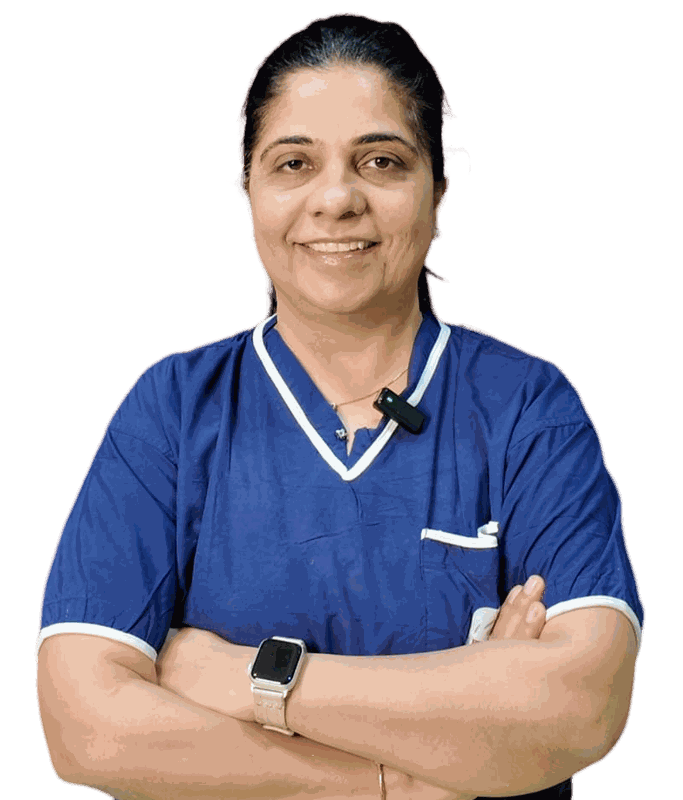
Medical Reviewer
Dr. Monica Sachdev
Dr. Monica Sachdev is a leading IVF specialist in Delhi with over 18 years of experience in reproductive medicine. She is dedicated to providing evidence-based fertility care and has helped thousands of families achieve parenthood.
Ready to Start Your Fertility Journey?
Our friendly team at Pravi IVF is here to stand by you, listen to your story, and help you through every single step.