
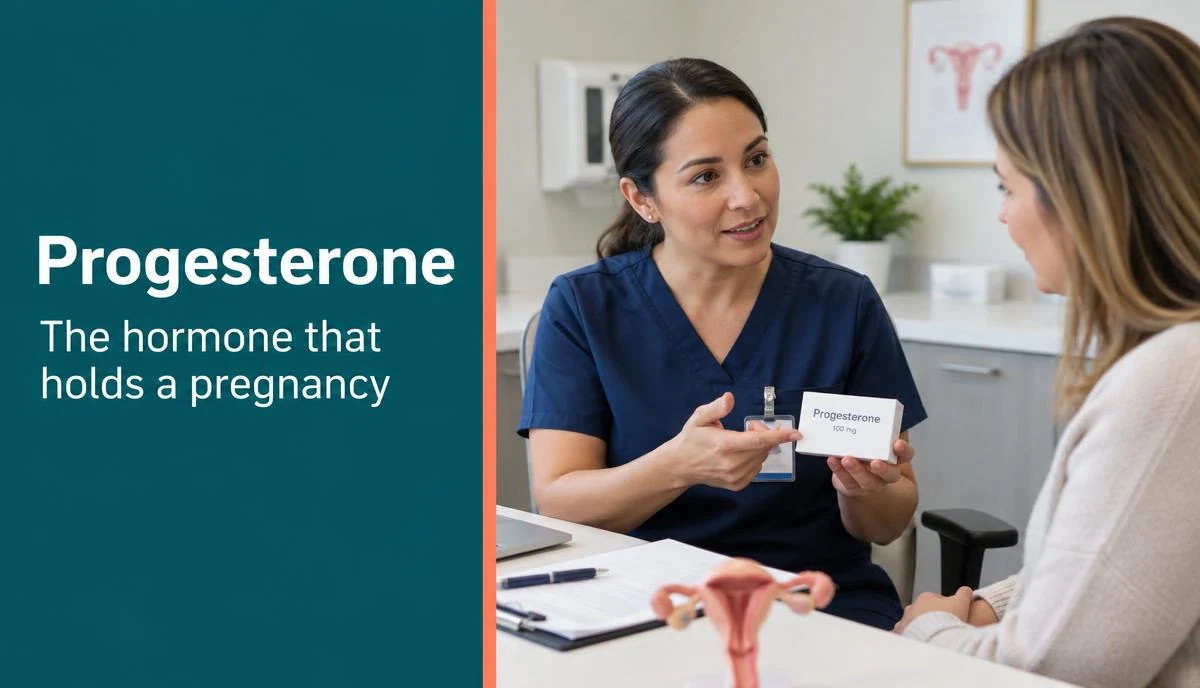
Pregnancy is sustained by a complex balance of hormones, each playing a specific role at different stages of gestation. Among these, progesterone is often referred to as the "pregnancy hormone."
The word progesterone literally translates to "supporting gestation." For women undergoing In Vitro Fertilization (IVF), understanding the role of progesterone in pregnancy and IVF is essential, as progesterone support is a critical component of every embryo transfer cycle.
What Is Progesterone and What Does It Do?
Progesterone is a hormone naturally produced by the ovaries after ovulation. Its primary job is to prepare the body for pregnancy and support it:
- Preparing the Uterine Lining: Converts the uterine lining to a receptive state, thickening it for embryo attachment.
- Preventing Uterine Contractions: Relaxes the uterine muscles, preventing early contractions that could reject the embryo.
- Supporting Placental Growth: Supports early development of the placenta.
Why Progesterone Support is Critical in IVF
1. In Fresh Embryo Transfers
During retrieval, cells that form the corpus luteum (progesterone producer) are removed along with the eggs. Supplemental support is needed to ensure proper lining thickness.
2. In Frozen Embryo Transfers (FET)
Medicated FET cycles suppress natural ovulation to control timing. Because no follicle ruptures, no corpus luteum forms, and the body produces zero progesterone naturally, making supplementation mandatory.
Support Your Implantation Window
Monitoring and adjusting hormone levels is a vital part of every embryo transfer cycle. If you want to discuss your IVF protocol, you can schedule a clinical consultation at Pravi Global IVF.
Types of Progesterone Support Used in IVF
- Vaginal Progesterone (Gel/Suppositories): Administered vaginal route. Delivers high concentrations directly to the uterus with minimal side effects.
- Progesterone Injections (Intramuscular - PIO): Progesterone in oil injected into the buttocks muscle, providing stable, high blood levels.
Frequently Asked Questions
1. When do I start taking progesterone in an IVF cycle?
It is typically started 5 days before a Day 5 blastocyst transfer, mimicking the natural cycle's luteal phase.
2. How long do I need to take progesterone?
If pregnant, you will continue taking progesterone support until the **10th to 12th week of pregnancy**, when the placenta takes over hormone production.
Conclusion
Understanding the role of progesterone in pregnancy and IVF highlights how this simple hormone acts as a lifeline for early embryo development. By optimizing your progesterone levels through targeted support, your fertility team creates a stable, receptive environment for your embryo to implant and grow successfully.
Our medical team specializes in personalized hormone protocols to support IVF success. Contact Pravi Global IVF today to schedule a consultation with an IVF specialist.

Medical Reviewer
Dr. Monica Sachdev
Dr. Monica Sachdev is a leading IVF specialist in Delhi with over 18 years of experience in reproductive medicine. She is dedicated to providing evidence-based fertility care and has helped thousands of families achieve parenthood.
Ready to Start Your Fertility Journey?
Our friendly team at Pravi IVF is here to stand by you, listen to your story, and help you through every single step.