

If your periods have become irregular or stopped before age 40, premature ovarian insufficiency treatment in Delhi can help you understand what is happening and plan your next steps. A diagnosis can feel unsettling, but care can support your hormone health, protect your bones and help you explore realistic pregnancy options.
Key takeaways
- Premature ovarian insufficiency (POI) means reduced ovarian activity before age 40.
- Irregular periods need assessment; they do not automatically mean POI.
- Hormone treatment supports health but does not reliably restore fertility.
- Occasional ovulation can occur, although pregnancy is difficult to predict.
- Fertility choices depend on your findings, preferences and medical history.
Understand what POI means for your fertility
POI is not always permanent ovarian shutdown
Also called primary ovarian insufficiency, POI occurs when the ovaries do not function as expected before age 40. Ovulation becomes irregular or absent, and oestrogen levels may fall.
Unlike established menopause, ovarian activity can sometimes return intermittently. Natural pregnancy remains possible for some people, but there is no reliable way to predict when ovulation will happen.
Low ovarian reserve is a different finding
A low anti-Müllerian hormone (AMH) result alone does not diagnose POI. You can have a reduced egg supply and still have regular periods; diagnosis requires your menstrual history and appropriate hormone testing.
Your age, symptoms and reproductive plans all matter. Avoid making treatment decisions from one laboratory value without discussing the wider picture.
Recognise symptoms and get checked sooner
Changes may be gradual, and some people first seek help because pregnancy is not happening. Others notice symptoms linked to lower oestrogen.
- Periods becoming infrequent or stopping for several months.
- Hot flushes or sweating at night.
- Vaginal dryness or discomfort during sex.
- Disturbed sleep, mood changes or reduced sexual desire.
- Difficulty conceiving alongside menstrual changes.
These symptoms can also occur with pregnancy, thyroid problems, raised prolactin, significant weight changes or other conditions. If pregnancy is possible, take a pregnancy test rather than assuming that missed periods mean infertility.
If your periods stop unexpectedly or stay irregular, arrange an assessment. You do not need to wait a year of trying for pregnancy when there is a known menstrual concern.
Identify possible causes without blaming yourself
Genetic and autoimmune factors
Some cases are associated with chromosome differences or genetic conditions, including an FMR1 premutation. Autoimmune conditions, in which the immune system affects the body's own tissues, can also be linked to POI.
Your clinician may recommend genetic counselling and selected tests. Understanding a genetic finding can sometimes help with your own care and discussions about family health.
Medical treatment and unexplained cases
Chemotherapy, pelvic radiation and certain ovarian operations may damage ovarian function. If you are due to receive treatment that could affect fertility, ask about preservation options before treatment begins whenever possible.
Even after investigation, a clear cause is often not found. POI is not evidence that you caused the problem through stress, work or a particular food choice.
Get a clear diagnosis before choosing treatment
Start with your history and hormone tests
Your doctor will ask about your cycle pattern, medications, previous treatment and family history of early menopause. Bring previous blood tests and ultrasound reports, even if they were done elsewhere.
Diagnosis generally involves irregular or absent periods for at least four months and an elevated follicle-stimulating hormone (FSH) level. FSH may be repeated after four to six weeks if there is uncertainty; low oestrogen can support the assessment.
Use scans and additional tests appropriately
An ultrasound can assess the ovaries and uterus, but it cannot confirm or exclude POI by itself. Pregnancy testing, thyroid assessment and other investigations help rule out alternative explanations.
Hormonal medicines can affect both bleeding patterns and test interpretation. Do not stop prescribed medication yourself; ask whether any adjustment is needed before testing.
- Record when your last natural period occurred.
- List hormones, supplements and other medicines you take.
- Mention ovarian surgery, cancer treatment or autoimmune disease.
- Share whether pregnancy is an immediate or future goal.
Premature Ovarian Insufficiency Treatment in Delhi: Know Your Options
Hormone care protects more than your cycle
Hormone replacement therapy is commonly recommended until the usual age of natural menopause, unless there is a contraindication. It helps relieve symptoms and supports bone health while addressing the effects of prolonged oestrogen deficiency.
If you have a uterus, oestrogen generally needs a progestogen to protect the uterine lining. Your prescription should reflect your medical history, symptoms and pregnancy plans.
Hormone replacement therapy is not contraception. If you do not want pregnancy, discuss a suitable contraceptive method; intermittent ovulation can still happen.
Fertility treatment needs realistic expectations
No established medicine reliably restores ovarian activity or increases natural conception in POI. Where some follicular activity remains, a specialist may discuss whether attempting treatment with your own eggs is reasonable, including the possibility of cancellation.
IVF treatment using donor eggs is an established option when usable eggs are unavailable. It still requires assessment of your health, uterine factors, sperm factors and applicable donor regulations; pregnancy is not guaranteed.
ICSI may help fertilisation in selected cases, particularly with certain sperm problems, but it cannot create eggs. Similarly, IUI needs ovulation and suitable tubes and sperm; it does not treat ovarian insufficiency itself.
Compare the purpose of each option
| Option | Main purpose | Limitation |
|---|---|---|
| Hormone therapy | Support symptoms and long-term health | Not a fertility cure |
| Own-egg IVF | Attempt pregnancy if eggs are obtainable | Response may be poor or absent |
| Donor-egg IVF | Offer a pregnancy option without your own eggs | Requires counselling and medical assessment |
Protect your health and prepare for your visit
Care should continue even if you are not planning pregnancy. Discuss bone-density assessment, cardiovascular risk factors, vaginal symptoms and emotional support with your clinician.
- Include weight-bearing activity and resistance exercise as appropriate.
- Discuss calcium intake and whether vitamin D supplementation is needed.
- Avoid smoking and seek help if quitting feels difficult.
- Ask for a written treatment plan and an itemised cost estimate.
Be cautious about ovarian “rejuvenation,” PRP or stem-cell treatments marketed as restoring fertility. These are not established treatments for POI, and claims deserve careful scrutiny.
Frequently Asked Questions
Can I conceive naturally with POI?
It can happen because occasional ovulation is possible. However, it is unpredictable, so discuss a time-sensitive fertility plan rather than relying on spontaneous recovery.
Does hormone therapy bring my eggs back?
No. It replaces deficient hormones and supports health, but does not replenish eggs. Bleeding during hormone treatment does not necessarily mean ovulation has returned.
Is donor-egg IVF my only option?
Not automatically. Your specialist should assess remaining ovarian activity and explain realistic alternatives, while acknowledging that donor eggs are often the most established fertility option.
Can diet or supplements cure POI?
No diet or supplement has been proven to reverse POI. Balanced nutrition supports general health, but should not replace prescribed treatment or fertility counselling.
Will I need ongoing follow-up?
Yes. Follow-up helps review symptoms, hormone treatment, bone health and pregnancy plans. Your clinician will recommend an appropriate schedule based on your needs.
Book a supportive consultation in Lajpat Nagar
Discuss your symptoms and fertility priorities at Pravi Global IVF in Lajpat Nagar, New Delhi. Bring your reports and questions; you can ask for explanations before deciding about treatment.
Call +91 80091 50040 or book an appointment. Check the contact page for visit details; Lajpat Nagar Metro station serves the Violet and Pink lines.
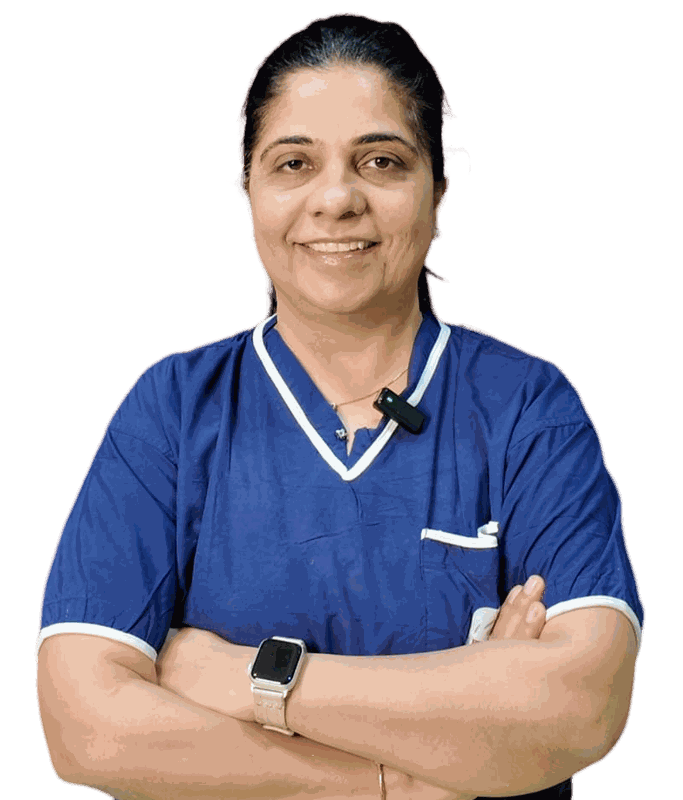
Medical Reviewer
Dr. Monica Sachdev
Dr. Monica Sachdev is a leading IVF specialist in Delhi with over 18 years of experience in reproductive medicine. She is dedicated to providing evidence-based fertility care and has helped thousands of families achieve parenthood.
Ready to Start Your Fertility Journey?
Our friendly team at Pravi IVF is here to stand by you, listen to your story, and help you through every single step.