

Can you get pregnant with anovulation? Natural conception requires an egg to be released, so it cannot happen during a truly anovulatory cycle. However, many people with irregular or absent ovulation can conceive when ovulation resumes or with fertility treatment, depending on the cause and other fertility factors.
Key Takeaways
- Anovulation means an ovary does not release an egg during a menstrual cycle.
- Irregular bleeding can occur without ovulation, so bleeding alone does not confirm egg release.
- Treatment may involve addressing an underlying condition, ovulation medicines, IUI or IVF.
- IUI does not replace ovulation; an egg must still be available for fertilisation.
- Absent or very irregular periods are reasons to seek advice without waiting a full year.
What Is Anovulation?
Ovulation is the release of a mature egg from an ovary. Anovulation happens when that release does not occur, leaving no egg available for sperm to fertilise naturally.
Some people have occasional anovulatory cycles, while others rarely ovulate. This distinction matters because intermittent ovulation can still allow an unassisted pregnancy, although timing becomes less predictable.
Can you have periods without ovulating?
Yes, bleeding can happen without ovulation because the uterine lining can shed after changes in hormone levels. Regular cycles often suggest ovulation, but neither bleeding nor a period-tracking app proves that an egg was released.
Can You Get Pregnant with Anovulation?
If no egg is released in a particular cycle, intercourse or IUI cannot lead to conception from that cycle. But anovulation is not always permanent, and treating its cause may restore egg release.
For someone hoping to become pregnant with anovulation, the first question is whether ovulation is absent consistently or only in some cycles. Age, fallopian tube health, sperm quality and how long you have been trying also influence treatment choices.
Common Causes of Absent Ovulation
Anovulation is a finding, not a complete diagnosis. Understanding why it happens helps a specialist choose treatment rather than prescribing the same medicine to everyone.
- Polycystic ovary syndrome (PCOS): Hormonal changes can interfere with follicle development and regular egg release.
- Thyroid disorders or raised prolactin: These can disrupt the hormones that control ovulation.
- Low energy availability: Inadequate food intake, substantial weight loss or excessive exercise may suppress reproductive hormone signals.
- Weight-related hormonal changes: Higher body weight can contribute in some people, although anovulation occurs at any body size.
- Reduced ovarian function: Perimenopause or primary ovarian insufficiency can cause irregular or absent ovulation and need individual assessment.
Breastfeeding, certain medicines and some chronic illnesses can also affect cycles. Do not stop prescribed medicines without discussing them with your clinician.
How Is Anovulation Diagnosed?
Start with your cycle history
Your specialist will ask about bleeding patterns, pregnancy attempts, medicines, exercise, nutrition and symptoms such as acne or nipple discharge. A pregnancy test is usually an early step when a period is missed.
Tests are selected for your situation
- Progesterone testing: Usually timed about seven days before the expected next period, rather than automatically on day 21.
- Ultrasound monitoring: Can track follicle development and assess the ovaries and uterine lining.
- Hormone blood tests: May include thyroid function, prolactin and other tests based on symptoms.
- Additional fertility checks: Semen analysis and tubal assessment may be needed before choosing treatment.
A single progesterone result can be misleading if the timing is wrong, especially with irregular cycles. Home ovulation kits detect an LH surge, not egg release itself, and can be difficult to interpret with PCOS.
Natural Options: What Can Actually Help?
Lifestyle changes can support ovulation when a reversible factor is involved, but they are not a guaranteed cure. You do not need to achieve a particular body size before asking for fertility care.
- Eat enough to meet your energy needs, especially if you exercise heavily or have lost weight.
- Discuss sustainable activity and nutrition changes if weight-related hormonal disruption is suspected.
- Avoid smoking, maintain regular sleep and seek support for significant stress.
- Take preconception folic acid, usually 400 micrograms daily, unless your clinician recommends a different dose.
Folic acid supports early pregnancy health; it does not induce ovulation. Herbal products and “fertility boosters” do not reliably treat anovulation and may interact with medicines.
If you sometimes ovulate, intercourse every two to three days can reduce reliance on predicting one fertile day. However, frequent intercourse cannot overcome persistent absence of egg release.
Medicines, IUI and IVF: Choosing the Next Step
Ovulation induction with timed intercourse
Ovulation induction uses medicines to encourage an egg to develop and be released. Letrozole is commonly recommended as a first-line medicine for anovulatory infertility associated with PCOS when no other infertility factor is present.
Other medicines or injectable gonadotropins may be appropriate in selected cases. Ultrasound monitoring may be needed because treatment can produce multiple follicles, increasing the risk of multiple pregnancy; some regimens also carry a risk of ovarian hyperstimulation.
When IUI may be considered
Intrauterine insemination places prepared sperm inside the uterus near ovulation. It may be combined with ovulation induction when there are additional reasons to use it, such as certain sperm-related difficulties or donor sperm treatment.
IUI generally requires at least one open fallopian tube and suitable sperm parameters. It is not automatically better than timed intercourse for anovulation alone; read about IUI treatment in Lajpat Nagar before discussing suitability.
When IVF may be considered
IVF involves stimulating follicles, collecting eggs directly from the ovaries and fertilising them in a laboratory. It does not depend on spontaneous egg release, but suitability still depends on ovarian function and the wider fertility assessment.
A specialist may discuss IVF after simpler treatments have not worked, or earlier if blocked tubes, significant sperm problems or age-related considerations are present. Explore IVF treatment options for an overview.
ICSI involves injecting a sperm into an egg during IVF and may help with specific fertilisation or sperm-related problems. Anovulation alone does not mean you need ICSI treatment.
Frequently Asked Questions
Can I become pregnant with anovulation without IVF?
Yes, if ovulation returns naturally or with treatment and other fertility factors allow conception. Many people are offered treatment for the underlying cause or ovulation induction before IVF.
Does anovulation mean I have PCOS?
No. PCOS is one possible cause, but thyroid conditions, raised prolactin, low energy availability and reduced ovarian function can also affect ovulation.
Should I wait a year before getting checked?
Not if your periods are absent or very irregular. Otherwise, assessment is generally advised after 12 months of trying under age 35, after six months at 35 or older, and sooner over 40.
Can an ovulation kit confirm that treatment worked?
Not reliably on its own. Your clinician may use appropriately timed progesterone testing or ultrasound findings to assess your response.
Is pregnancy guaranteed once ovulation returns?
No. Restoring ovulation removes one barrier, but age, sperm quality, tubal health and other factors still affect the chance of pregnancy.
Get an Individual Fertility Assessment
If you are hoping to get pregnant with anovulation, a specialist can help identify the cause and explain suitable next steps. Pravi Global IVF in Lajpat Nagar, New Delhi offers a place to discuss your cycle history and fertility concerns.
Book an appointment or contact the clinic for visit information. Call +91 80091 50040 to arrange a consultation.
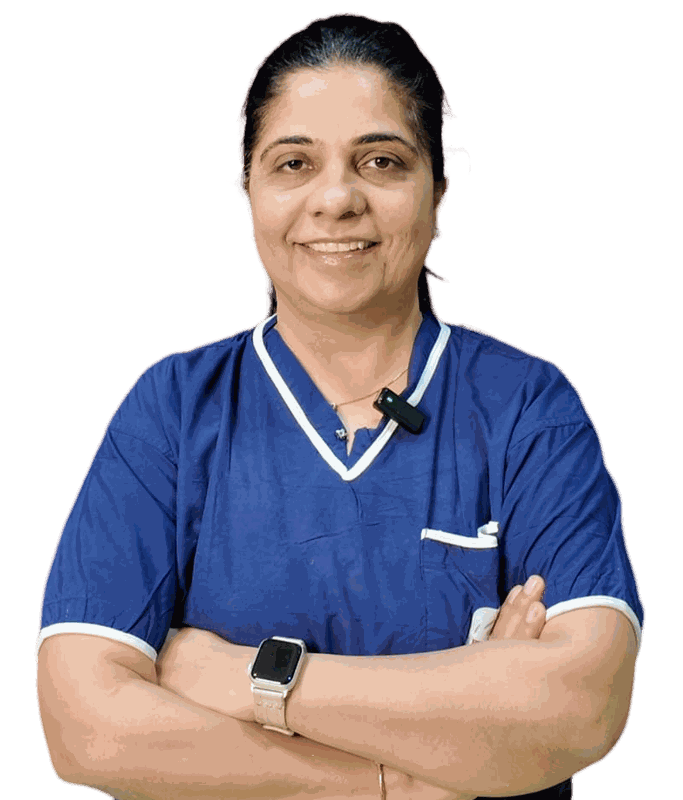
Medical Reviewer
Dr. Monica Sachdev
Dr. Monica Sachdev is a leading IVF specialist in Delhi with over 18 years of experience in reproductive medicine. She is dedicated to providing evidence-based fertility care and has helped thousands of families achieve parenthood.
Ready to Start Your Fertility Journey?
Our friendly team at Pravi IVF is here to stand by you, listen to your story, and help you through every single step.