

Wondering whether you can get pregnant with thyroid & infertility concerns? Many women with thyroid conditions conceive naturally or with fertility treatment once their thyroid function is appropriately managed. The right approach depends on your ovulation, age, fallopian tubes, your partner’s sperm health and how long you have been trying.
Key takeaways
- A thyroid diagnosis does not automatically mean you need IVF.
- Both an underactive and an overactive thyroid can affect menstrual cycles.
- Thyroid treatment may restore ovulation, but other fertility factors still need checking.
- IUI and IVF suit different situations; neither replaces thyroid care.
- Contact your treating doctor promptly after a positive pregnancy test.
Can You Get Pregnant with Thyroid & Infertility Concerns?
Yes, pregnancy is possible. “Thyroid-related infertility” usually means thyroid dysfunction may be contributing to difficulty conceiving—not that pregnancy is impossible. A raised TSH result alone cannot tell you whether you need fertility treatment.
When your thyroid is underactive
Hypothyroidism means your thyroid does not produce enough thyroid hormone. It can disrupt ovulation, cause irregular or heavy periods and sometimes raise prolactin. Appropriate treatment may improve cycles and support conception when thyroid dysfunction is a contributing factor.
When your thyroid is overactive
Hyperthyroidism means excess thyroid hormone is circulating. You may notice lighter or irregular periods, palpitations, tremor or unexplained weight loss. Getting the condition controlled before conception helps reduce pregnancy risks; your medicines may need specialist review.
Uncontrolled thyroid disease can increase risks such as miscarriage and pregnancy complications. However, a diagnosis does not predict your individual outcome. Many women have healthy pregnancies with appropriate treatment and monitoring.
Get the Checks That Actually Guide Treatment
Start with your symptoms, cycle pattern, medical history and previous reports. Your fertility specialist and physician or endocrinologist can coordinate testing rather than treating one thyroid number in isolation.
Understand your thyroid results
TSH is usually the starting test, with free T4 checked when indicated. Thyroid antibodies may be useful in selected cases, but they are not necessary for everyone. Your doctor interprets results using the laboratory range, your treatment history and pregnancy plans.
Mildly raised TSH with normal free T4 is called subclinical hypothyroidism. Whether treatment helps depends on the degree of elevation and your clinical circumstances. Antibody positivity alone does not mean thyroid medicine will improve fertility.
Check more than your thyroid
- Review whether your cycles suggest regular ovulation.
- Arrange a semen analysis for your partner when appropriate.
- Assess whether your fallopian tubes are open if indicated.
- Discuss ovarian reserve testing in the context of your age.
- Check prolactin when symptoms or cycle changes suggest a need.
Seek a fertility assessment after 12 months of trying if you are under 35, or after six months if you are 35 or older. Seek advice sooner for absent or very irregular periods, known fertility problems, or if you are over 40.
Give Natural Conception a Fair, Safe Chance
Optimise treatment before trying
If thyroid dysfunction is affecting ovulation, correcting it may allow you to conceive without assisted treatment. Thyroid blood tests are commonly repeated several weeks after a dose change; your doctor will set the timing and personalised target.
For women already taking levothyroxine, clinicians often aim for a preconception TSH of 2.5 mIU/L or lower, within the reference range. This is not a universal rule for starting medication in everyone trying to conceive.
Keep daily steps manageable
- Have sex every two to three days rather than relying only on an app.
- Take prescribed thyroid medicine consistently, following timing instructions.
- Separate levothyroxine from iron or calcium supplements by at least four hours.
- Discuss folic acid, usually 400 micrograms daily unless advised otherwise.
- Avoid thyroid “boosters”, kelp and high-dose iodine without medical advice.
Tell your doctor about supplements, including biotin, which can interfere with thyroid test results. No special diet reliably treats thyroid-related infertility. Regular meals, movement and sleep support general health, but they do not replace medication when it is needed.
Choose IUI or IVF for the Right Reason
Your thyroid diagnosis alone should not decide the treatment. The decision should explain what is preventing pregnancy, how the proposed treatment helps and whether waiting could reduce your options.
When IUI may be considered
Intrauterine insemination, or IUI, places prepared sperm inside the uterus around ovulation. It may suit selected couples with unexplained infertility or some mild sperm-related problems. At least one functioning, open fallopian tube and suitable sperm parameters are generally needed.
If you are not ovulating, supervised ovulation induction may be considered, sometimes with timed intercourse rather than IUI. Ultrasound monitoring helps assess the response and reduce risks, including multiple pregnancy.
When IVF may offer a more suitable option
IVF treatment may be discussed for blocked tubes, certain sperm problems, unsuccessful previous treatment or age-related time pressure. Thyroid control remains part of preparation because IVF does not remove the risks of uncontrolled thyroid disease.
ICSI involves injecting a sperm into an egg during IVF. It is mainly considered for specific fertilisation or sperm-related indications, not simply because you have a thyroid condition.
- Natural conception: Reasonable when ovulation and other fertility factors are reassuring.
- IUI: Considered when tubes and sperm findings support its use.
- IVF: Considered when the underlying problem calls for laboratory fertilisation.
Plan Monitoring Before a Positive Test
Ask who will review your thyroid reports during fertility treatment and early pregnancy. Ovarian stimulation and pregnancy can change thyroid hormone requirements, particularly if you already take levothyroxine.
Once pregnant, contact your doctor promptly rather than waiting for a routine scan. Levothyroxine requirements often increase, and thyroid tests are commonly checked about every four weeks in early pregnancy. Follow your agreed plan rather than changing doses yourself.
If you take antithyroid medicine, request a preconception medication review. Drug choice may change around pregnancy. Radioactive iodine is not used during pregnancy, and conception must be delayed after treatment according to specialist advice.
Frequently Asked Questions
Can I get pregnant naturally with hypothyroidism?
Yes. If treatment restores normal thyroid function and you ovulate regularly, natural conception may be possible. Tubal health, sperm findings and age still matter.
Does everyone with a TSH above 2.5 need treatment?
No. Decisions depend on free T4, the degree of TSH elevation, existing treatment, pregnancy status and other findings. Do not start medicine based on an internet cut-off.
Should I stop thyroid medicine when I become pregnant?
Do not stop prescribed medicine on your own. Levothyroxine is safe and often essential during pregnancy. Antithyroid medicines need prompt specialist review to select the appropriate drug and dose.
Will IVF guarantee pregnancy if my thyroid is controlled?
No. Thyroid control supports safer treatment, but IVF outcomes also depend on age, egg and sperm factors, embryo development and other medical conditions.
How long should I wait after starting thyroid treatment?
There is no fixed waiting period for everyone. Your doctor will review repeat blood tests, symptoms and pregnancy plans, while considering whether your age warrants fertility assessment without delay.
Discuss Your Next Step at Pravi Global IVF
Bring your recent thyroid reports, medication doses, cycle dates and any previous fertility investigations to Pravi Global IVF in Lajpat Nagar, New Delhi. You can discuss whether further testing, time for natural conception or fertility treatment makes sense.
Call +91 80091 50040 or book an appointment. For clinic location and visit planning, check our contact page.
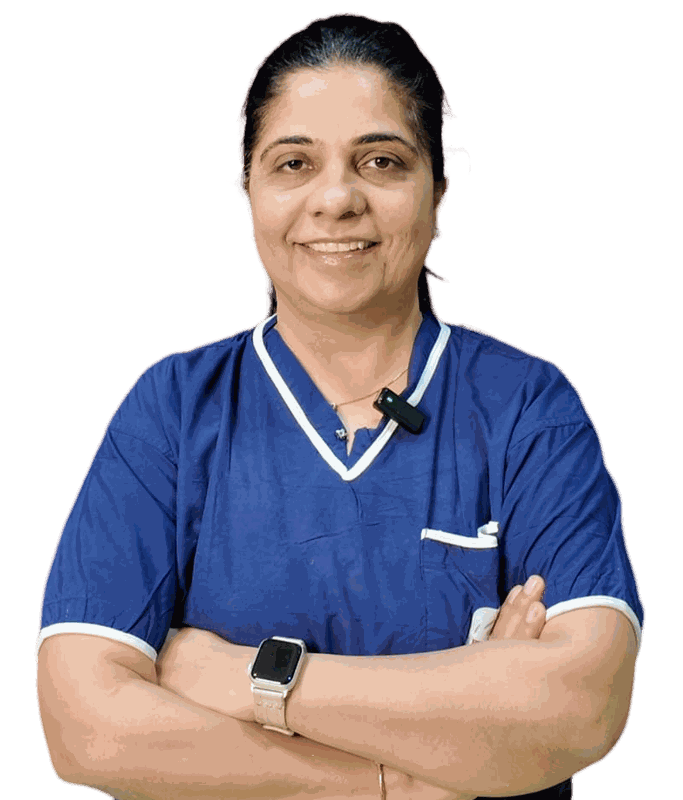
Medical Reviewer
Dr. Monica Sachdev
Dr. Monica Sachdev is a leading IVF specialist in Delhi with over 18 years of experience in reproductive medicine. She is dedicated to providing evidence-based fertility care and has helped thousands of families achieve parenthood.
Ready to Start Your Fertility Journey?
Our friendly team at Pravi IVF is here to stand by you, listen to your story, and help you through every single step.