

Yes, you can get pregnant with PCOS, either naturally or with fertility treatment. Polycystic ovary syndrome often makes ovulation irregular, but it does not automatically mean you need IVF. The right approach depends on your age, ovulation pattern, test results and how long you have been trying.
Key takeaways
- PCOS can delay ovulation; it does not make pregnancy impossible.
- Irregular or absent periods are reasons to seek help early.
- Ovulation medicines may help before IUI or IVF is considered.
- Sperm health and fallopian tubes matter alongside PCOS.
- Monitoring helps reduce multiple pregnancy and overstimulation risks.
How Can You Get Pregnant with PCOS?
Understand what is affecting ovulation
With PCOS, hormonal changes can stop a follicle from maturing and releasing an egg regularly. Fewer ovulations mean fewer opportunities to conceive, and predicting your fertile days becomes harder.
The small follicles seen on ultrasound are not necessarily harmful ovarian cysts. An ultrasound appearance alone also does not establish PCOS; your clinician considers menstrual patterns, signs of raised androgens and other possible explanations.
Look beyond the diagnosis
Some people with PCOS ovulate regularly enough to conceive without treatment. Others need help releasing an egg, while a smaller group may need IUI or IVF because of additional fertility factors or unsuccessful earlier treatment.
Your age still matters. A high follicle count or AMH level does not guarantee good egg quality, and PCOS should not be assumed to explain every difficulty conceiving.
Know When to Ask for Fertility Help
If your periods are very irregular or absent, you do not need to wait a full year before seeking advice. Earlier assessment can identify whether you are ovulating and prevent months of poorly timed attempts.
With regular cycles and no known concerns, evaluation is generally advised after 12 months of trying if you are under 35, or six months if you are 35 or older. Over 40, or with known fertility problems, seek advice promptly.
- Arrange a review if you have no period for around three months; take a pregnancy test first.
- Mention severe pelvic pain, previous pelvic infection or surgery.
- Bring previous scans, blood tests and treatment prescriptions.
- Share your partner’s medical history and any semen reports.
Build a Practical Plan for Natural Conception
Make timing less stressful
If you are ovulating, intercourse every two to three days throughout the cycle can cover your fertile window without relying on an exact date. Calendar apps are less dependable when cycles vary widely.
Urine ovulation kits may give confusing or repeated positive results in PCOS because baseline luteinising hormone can be elevated. When needed, appropriately timed progesterone testing or ultrasound monitoring can help assess ovulation.
Support health without blaming yourself
Balanced meals, regular movement and adequate sleep support metabolic health, even without weight loss. If you have a higher body weight, gradual, sustainable weight reduction may improve ovulation for some people, but it is not a guaranteed treatment or a moral requirement.
- Include vegetables, protein and fibre-rich carbohydrates in meals.
- Choose activity you can repeat consistently rather than crash programmes.
- Avoid smoking and alcohol while trying to conceive.
- Start folic acid, usually 400 micrograms daily, unless advised otherwise.
- Review medicines and supplements for pregnancy safety with your clinician.
Natural conception should not mean waiting indefinitely. Agree on a review date, particularly if your cycles remain irregular or your age makes delaying treatment less advisable.
Use Testing to Choose Treatment Wisely
A useful assessment checks more than your ovaries. Depending on your history, your clinician may recommend thyroid or prolactin testing, blood pressure and glucose assessment, a pelvic ultrasound, semen analysis and a test of fallopian tube patency.
Not everyone needs every test immediately. Ask which result would change your treatment plan, and whether an existing report is recent enough to avoid unnecessary repetition.
Ask these questions at your consultation
- Am I ovulating, and how will you confirm it?
- Do we need to check the tubes before treatment?
- Has a semen analysis identified another contributing factor?
- How many monitored attempts make sense before reviewing the plan?
- What would make you recommend IUI or IVF instead?
Consider Ovulation Treatment Before Moving to IVF
Medicines can help an egg develop
For anovulatory infertility due to PCOS, with no other infertility factors, letrozole is commonly recommended as first-line medication to induce ovulation. Your clinician should explain suitability, local prescribing status and monitoring before treatment.
Clomiphene or injectable gonadotropins may be considered in selected situations. Metformin can help with metabolic concerns and sometimes ovulation, but it is not the best stand-alone fertility treatment for everyone with PCOS.
Monitoring makes treatment safer
Ultrasound scans may be used to check follicle development and guide intercourse or insemination timing. Injectable medicines need particularly careful monitoring because several follicles may develop.
If too many follicles grow, your clinician may cancel that attempt and advise avoiding unprotected intercourse. Do not start, repeat or increase fertility medicines yourself, even if you have an old prescription.
Understand Where IUI and IVF Fit
IUI needs ovulation and a usable tube
With IUI treatment, prepared sperm is placed inside the uterus around ovulation. It may be considered for selected sperm-related concerns, unexplained infertility or after reviewing earlier attempts; PCOS alone does not automatically require IUI.
At least one fallopian tube generally needs to be open, and the sperm sample must be suitable. IUI cannot overcome blocked tubes or every form of male-factor infertility.
IVF can address additional barriers
IVF treatment may be appropriate after unsuccessful simpler treatment, with blocked tubes, or when age and other findings favour moving sooner. Eggs are collected and fertilised in a laboratory before an embryo is transferred.
ICSI involves injecting a sperm into an egg and may be recommended for specific fertilisation concerns, including significant male-factor infertility. Having PCOS does not, by itself, mean you need ICSI.
Plan specifically for overstimulation risk
People with PCOS can respond strongly to ovarian stimulation, increasing the risk of ovarian hyperstimulation syndrome, or OHSS. Individualised doses, suitable trigger medicines and freezing embryos for later transfer can reduce this risk when appropriate.
During treatment, contact your clinic urgently for worsening abdominal swelling or pain, repeated vomiting, breathlessness or reduced urination. Discuss single-embryo transfer to reduce the risks associated with twins.
Frequently Asked Questions
Can I get pregnant with PCOS without medication?
Yes, especially if you ovulate. Regular intercourse and preconception care can help, but persistent irregular cycles deserve assessment rather than prolonged waiting.
Does having regular periods mean I am ovulating?
Regular cycles often suggest ovulation, but do not prove it. Your clinician may recommend confirmation if pregnancy is not happening or other symptoms raise concerns.
Is IUI better than timed intercourse for PCOS?
Not automatically. When lack of ovulation is the only issue, ovulation treatment with timed intercourse may be reasonable before adding IUI.
Does PCOS affect pregnancy after conception?
PCOS is associated with higher risks of gestational diabetes and hypertensive disorders. Early antenatal care and appropriate screening help your maternity team monitor these risks.
How successful is IVF for someone with PCOS?
Results vary with age, embryo development, sperm factors and other health findings. Ask for an individual assessment rather than treating a general clinic figure as your personal chance.
Get a Clear PCOS Pregnancy Plan
At Pravi Global IVF in Lajpat Nagar, New Delhi, you can discuss which assessments and treatment options suit your circumstances. Bring your cycle dates, previous reports and current medicine list.
Call +91 80091 50040 or book an appointment. For clinic location and visit enquiries, use our contact page.
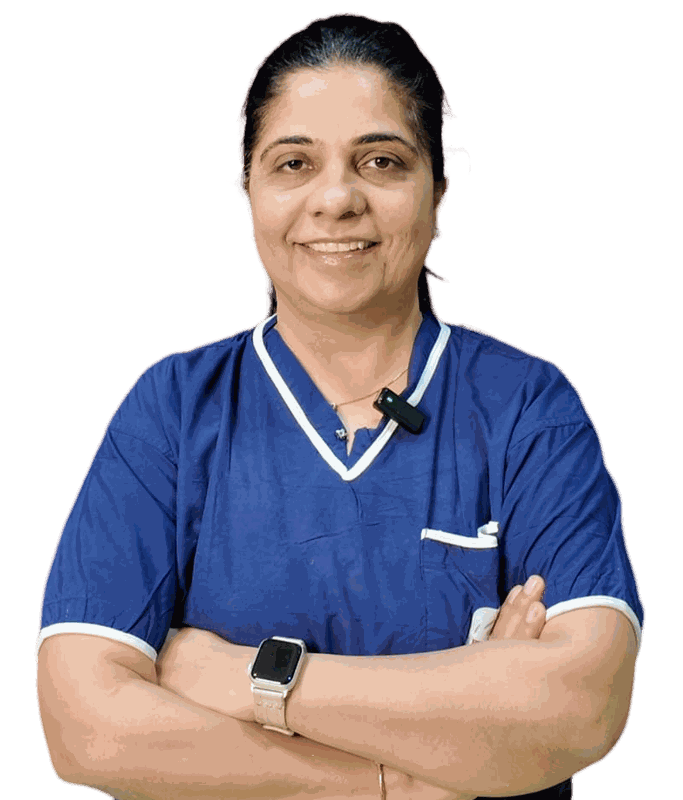
Medical Reviewer
Dr. Monica Sachdev
Dr. Monica Sachdev is a leading IVF specialist in Delhi with over 18 years of experience in reproductive medicine. She is dedicated to providing evidence-based fertility care and has helped thousands of families achieve parenthood.
Ready to Start Your Fertility Journey?
Our friendly team at Pravi IVF is here to stand by you, listen to your story, and help you through every single step.