

Yes, you can get pregnant with irregular periods, especially if you are still ovulating. Unpredictable cycles can make your fertile days harder to identify, but they do not automatically mean infertility or a need for IVF.
The next step is to understand whether you are releasing an egg and what is affecting your cycle. Treatment can range from addressing an underlying condition to ovulation medicines, IUI or IVF, depending on your test results and circumstances.
Key takeaways
- Irregular periods can mean irregular ovulation, but pregnancy remains possible.
- Calendar apps are less reliable when cycle lengths vary.
- PCOS is one possible cause, not the only explanation.
- Markedly irregular or absent periods deserve an early fertility assessment.
- IUI and IVF are options, not automatic starting points.
Getting pregnant with irregular periods: understand your chances
Bleeding does not always confirm ovulation
Ovulation means releasing an egg from an ovary. You can sometimes have bleeding without ovulating, so having a period is not proof that an egg was released.
If ovulation happens less often, you may have fewer opportunities to conceive across the year. Your chances also depend on age, sperm quality, whether your fallopian tubes are open and other reproductive health factors.
Look beyond one late period
Adult cycles commonly fall between 21 and 35 days. Repeatedly shorter or longer cycles, skipped months or substantial changes between cycles are worth discussing with a doctor, although one unusual month does not establish a diagnosis.
If your period is late and pregnancy is possible, take a home pregnancy test first. If it is negative but your period remains absent, repeat it according to the instructions or ask your doctor about testing.
Find the cause before choosing treatment
PCOS and hormonal changes
Polycystic ovary syndrome, or PCOS, can interfere with regular ovulation. Acne or increased facial hair may occur alongside irregular periods, but symptoms and an ultrasound alone do not always establish the diagnosis.
Thyroid disorders and raised prolactin can also affect cycles. Treating the underlying problem may improve ovulation without moving straight to assisted reproduction.
Other factors your doctor may consider
Recent weight changes, under-eating, intense exercise, stress, breastfeeding and changes after stopping hormonal contraception can affect bleeding patterns. Depending on your age and symptoms, your doctor may also assess ovarian function.
- Record the first day of each period and bleeding duration.
- Note acne, facial hair, nipple discharge or hot flushes.
- List medicines, supplements and recent contraception.
- Mention weight changes, exercise habits and previous pregnancies.
Make natural attempts more practical
Use a timing approach that reduces guesswork
Having intercourse every two to three days throughout the cycle can help cover unpredictable ovulation. You do not have to identify one perfect day, particularly if tracking is making sex stressful.
Clear, slippery cervical mucus may suggest that ovulation is approaching. Urine ovulation kits detect an LH rise, but PCOS can cause repeated or misleading positive results; a positive test does not guarantee egg release.
Support health without blaming yourself
A balanced diet, regular moderate activity and adequate sleep support preconception health. If weight or nutrition is affecting ovulation, ask for individual advice rather than following crash diets or restrictive online fertility plans.
- Take 400 micrograms of folic acid daily unless prescribed a different dose.
- Avoid smoking and recreational drugs; avoid alcohol while trying.
- Review prescription medicines with your doctor before pregnancy.
- Do not start hormones or fertility supplements without advice.
Healthy habits cannot reverse every cause of infertility. You have not caused a fertility problem by feeling stressed, and being told to simply relax is not a treatment plan.
Get an assessment that answers useful questions
Check ovulation at the right time
Your doctor may recommend a pelvic ultrasound and selected blood tests based on your history. These can help assess the ovaries, uterine lining and possible hormonal causes.
A progesterone blood test is generally timed about seven days before an expected period, not automatically on day 21. With unpredictable cycles, timing may need adjustment, repeat testing or ultrasound monitoring.
Consider both partners
A semen analysis should be considered early rather than focusing only on your periods. A fallopian tube check may also be recommended, especially before IUI or depending on your history.
AMH and antral follicle count can help with treatment planning when appropriate. They do not, by themselves, tell you whether you can conceive naturally or measure egg quality.
Compare medicines, IUI and IVF without rushing
Ovulation medicines may be enough
If you are not ovulating regularly, prescribed medicines may help an egg develop and release. Letrozole is often a first-line option for anovulatory infertility associated with PCOS when no other infertility factors are present.
Monitoring helps your doctor assess response and manage risks, including multiple pregnancy. Never borrow fertility tablets or repeat an old prescription without review.
IUI needs the right conditions
In IUI treatment, prepared sperm is placed inside the uterus around ovulation. It generally requires at least one open fallopian tube and suitable sperm parameters; irregular periods alone do not make IUI necessary.
IVF addresses additional barriers
IVF treatment may be considered for blocked tubes, some sperm-related problems or when simpler treatments have not worked. Age and the duration of infertility also influence when it is discussed.
ICSI involves injecting a sperm into an egg during IVF and may help in selected situations, particularly significant male-factor infertility. It is not routinely needed just because periods are irregular.
| Option | When it may help |
|---|---|
| Regular intercourse | Ovulation occurs and no other barrier is identified. |
| Ovulation medicines | Infrequent or absent ovulation needs treatment. |
| IUI | Timing or selected sperm-related factors support its use. |
| IVF | Other barriers or unsuccessful earlier treatment justify it. |
Know when to ask for help sooner
For regular cycles without known concerns, assessment usually begins after 12 months of trying if you are under 35, or six months from age 35. Over 40, prompt advice is sensible; markedly irregular or absent periods justify earlier review at any age.
- Book a review if periods stop for three months without explanation.
- Seek urgent care for severe pelvic pain, fainting or very heavy bleeding.
- Get urgent assessment for pain or bleeding with a positive pregnancy test.
- Mention previous pelvic infections, surgery or known endometriosis.
Frequently Asked Questions
Can I conceive without a monthly period?
Yes, if ovulation occurs intermittently. An egg is released before the next period, so pregnancy can happen even when you cannot predict bleeding.
Can an app predict my fertile days accurately?
Calendar predictions are less dependable with irregular cycles. Use them to record patterns, not as proof of ovulation.
Does PCOS mean I need IVF?
No. Many people with PCOS conceive naturally or with ovulation treatment. IVF depends on the full fertility assessment and response to earlier options.
Will making my periods regular improve fertility?
It depends on the treatment. Contraceptive pills can produce predictable bleeding while preventing pregnancy; regular withdrawal bleeding does not mean natural ovulation has returned.
Can treatment guarantee pregnancy?
No. Outcomes depend on several factors, including age, diagnosis and sperm health. Ask for an individual explanation of benefits, limitations and risks.
Get a clear next step at Pravi Global IVF
Bring your cycle records and previous reports to Pravi Global IVF in Lajpat Nagar, New Delhi. You can discuss what needs checking before deciding on treatment.
Call +91 80091 50040 or book an appointment. For visit details, see our contact page; Lajpat Nagar Metro station serves the Violet and Pink lines.
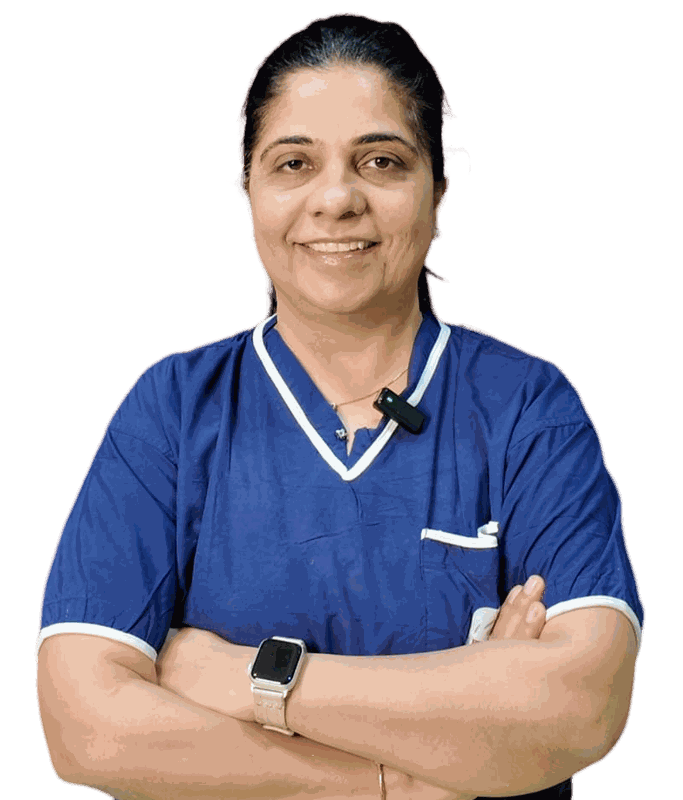
Medical Reviewer
Dr. Monica Sachdev
Dr. Monica Sachdev is a leading IVF specialist in Delhi with over 18 years of experience in reproductive medicine. She is dedicated to providing evidence-based fertility care and has helped thousands of families achieve parenthood.
Ready to Start Your Fertility Journey?
Our friendly team at Pravi IVF is here to stand by you, listen to your story, and help you through every single step.