

You may be able to get pregnant with hydrosalpinx, but your options depend on whether one or both fallopian tubes are affected. A healthy opposite tube may allow natural conception; IVF bypasses the tubes, although treating hydrosalpinx before embryo transfer may improve the chance of pregnancy.
Key takeaways
- Hydrosalpinx means a blocked, fluid-filled fallopian tube.
- Natural pregnancy may be possible with one healthy, open tube.
- IUI needs at least one functioning tube; it does not bypass a blockage.
- Hydrosalpinx fluid can reduce IVF implantation and pregnancy rates.
- Prompt assessment matters because tubal damage increases ectopic pregnancy risk.
Can You Get Pregnant with Hydrosalpinx?
If only one tube is affected
Pregnancy without IVF may still be possible if your other tube is open and functioning. Your age, ovulation, sperm quality and how long you have been trying also influence whether trying naturally is a reasonable option.
A test showing an open tube does not guarantee that it works normally. Ask your doctor whether the findings suggest damage beyond the visible blockage and how long you should try before reviewing the plan.
If both tubes are affected
If both tubes are completely blocked, natural conception is not expected because sperm and egg cannot meet through the usual route. IUI cannot overcome this either; IVF is generally the treatment considered because fertilisation takes place outside your body.
Understand What Hydrosalpinx Means for Fertility
A hydrosalpinx develops when a fallopian tube becomes blocked, usually towards its far end, and fills with fluid. Previous pelvic infection, endometriosis, surgery or adhesions may contribute, although you may not recall any symptoms or earlier illness.
Why the fluid matters
Fluid can pass back into the uterus and interfere with embryo implantation. Untreated hydrosalpinx is associated with poorer IVF outcomes and increased pregnancy loss, so bypassing the tubes alone may not solve the problem.
Why symptoms cannot confirm it
Some people have pelvic discomfort or unusual discharge; others have no symptoms. Pain alone does not diagnose hydrosalpinx, and a blocked tube does not necessarily mean you currently have an infection.
Get Tests That Answer the Right Questions
Your assessment should establish which tube is affected, whether the other tube appears open, and whether additional fertility factors need attention. Bring previous scans and procedure reports so your doctor can check what has already been assessed.
- Transvaginal ultrasound: may show a swollen, fluid-filled tube.
- HSG: uses contrast and X-rays to assess tubal openness.
- Contrast ultrasound testing: may assess tubal openness where available.
- Laparoscopy: may be considered when surgery or further pelvic assessment is needed.
- Other fertility checks: may include ovulation assessment, ovarian reserve tests and semen analysis.
No single test explains every aspect of tubal function. HSG can sometimes suggest a blockage because of temporary spasm, so unclear findings may need confirmation before an irreversible treatment decision.
Compare Natural Conception, IUI and IVF
Natural conception: agree on a review point
If one tube is healthy and there are no other major fertility concerns, your doctor may discuss a limited period of trying naturally. With known tubal disease, seek fertility advice now rather than waiting for the usual infertility assessment threshold.
IUI: check that a tube can function
Intrauterine insemination, or IUI, places prepared sperm inside the uterus. Fertilisation still happens in a tube, so IUI is not suitable when both tubes are completely blocked and needs careful consideration when hydrosalpinx affects one side.
IVF: bypass the blockage, address the fluid
During IVF treatment, eggs are collected from the ovaries and fertilised in a laboratory. An embryo is then transferred into the uterus, but a communicating hydrosalpinx may need treatment before that transfer.
| Option | Main question to ask |
| Trying naturally | Is one tube healthy enough, and how long should we try? |
| IUI | Is at least one tube functioning, and is IUI appropriate? |
| IVF | Should hydrosalpinx be treated before embryo transfer? |
ICSI involves injecting a sperm into an egg during IVF, usually for specific fertilisation concerns. It does not treat hydrosalpinx or prevent tubal fluid from affecting the uterus.
Choose Treatment Without Rushing Into Surgery
Removing or blocking the affected tube
Before IVF embryo transfer, your specialist may recommend salpingectomy, which removes the affected tube, or proximal tubal occlusion, which disconnects it from the uterus. The choice depends on your scan findings, adhesions, surgical history and individual risks.
These procedures can improve IVF outcomes in appropriately selected patients, but they cannot guarantee pregnancy. Ask about bleeding, infection, anaesthetic risks and possible effects on the blood supply near the ovary.
Planning around ovarian reserve
If your ovarian reserve is low or surgery may be difficult, the order of treatment deserves careful discussion. Sometimes egg collection and embryo freezing may be considered first, with hydrosalpinx treatment before a later frozen embryo transfer.
Understanding the limits of other treatments
Antibiotics treat an active infection when indicated; they do not usually reverse established scarring. Draining the fluid may provide only temporary improvement because it can return, while reconstructive surgery is suitable only in selected circumstances.
- Ask why removal or occlusion is recommended for you.
- Discuss whether preserving natural conception is realistic.
- Check how treatment could affect egg collection timing.
- Request separate estimates for surgery, medicines and IVF.
Protect Your Health While Planning Pregnancy
No diet, massage, supplement or home remedy has been shown to reliably unblock a hydrosalpinx. Preconception care still helps: discuss folic acid, review regular medicines, avoid smoking and seek care for suspected infection.
If you get a positive pregnancy test, contact your clinician promptly to plan early monitoring. Blood hCG tests and ultrasound may be needed to confirm that the pregnancy is inside the uterus.
- Seek urgent care for severe or worsening abdominal pain.
- Do not ignore shoulder-tip pain, dizziness or fainting.
- Bleeding with pain after a positive test needs urgent assessment.
- Fever with pelvic pain also needs prompt medical review.
Frequently Asked Questions
Can hydrosalpinx go away on its own?
Established hydrosalpinx usually reflects structural tubal damage and does not reliably resolve by itself. Fluid levels may change, but that does not prove the tube has recovered.
Can I get pregnant after one tube is removed?
Yes, natural conception may remain possible if your remaining tube is healthy and other fertility factors are favourable. Removing both tubes means IVF is needed to achieve pregnancy.
Does every hydrosalpinx need surgery before IVF?
Not every situation is identical. Treatment is commonly recommended for a confirmed hydrosalpinx, especially one visible on ultrasound or communicating with the uterus, after weighing benefits and surgical risks.
Will removing a fallopian tube stop my periods?
Removing a tube does not usually stop periods because your ovaries produce reproductive hormones. Tubes and ovaries are different structures; ask your surgeon exactly what the planned procedure involves.
Can hydrosalpinx cause an ectopic pregnancy?
Tubal damage increases the risk of a pregnancy developing outside the uterus. Early pregnancy monitoring is advisable, and urgent symptoms need immediate assessment rather than waiting for your next appointment.
Talk Through Your Options at Pravi Global IVF
Bring your ultrasound, HSG and previous treatment reports to Pravi Global IVF in Lajpat Nagar, New Delhi. Your consultation can help clarify whether trying naturally, IUI, IVF or tubal treatment is appropriate for your situation.
Call +91 80091 50040 or book an appointment. For location details, visit our contact page; Lajpat Nagar Metro station serves the Violet and Pink lines.
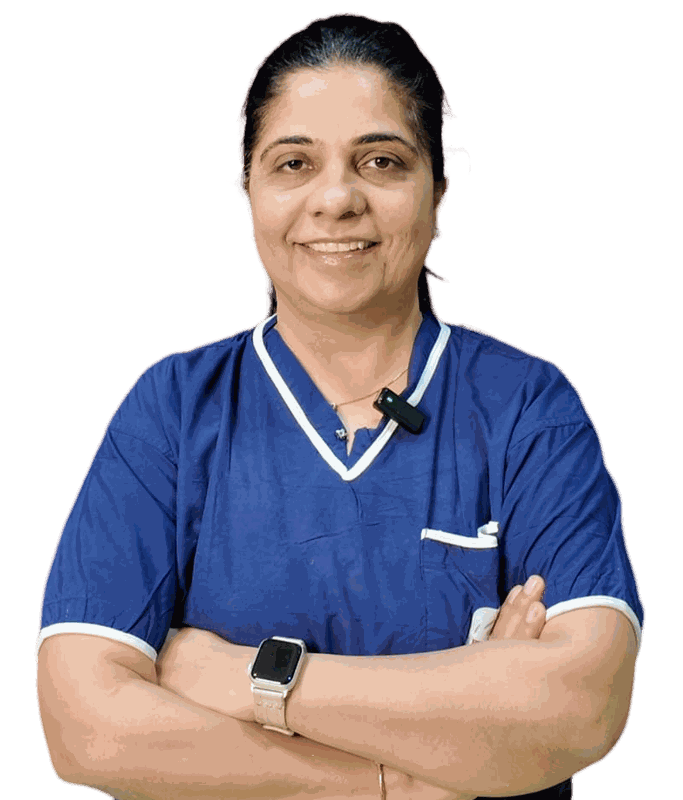
Medical Reviewer
Dr. Monica Sachdev
Dr. Monica Sachdev is a leading IVF specialist in Delhi with over 18 years of experience in reproductive medicine. She is dedicated to providing evidence-based fertility care and has helped thousands of families achieve parenthood.
Ready to Start Your Fertility Journey?
Our friendly team at Pravi IVF is here to stand by you, listen to your story, and help you through every single step.