

Yes, you can get pregnant with high prolactin, although raised levels can make conception harder by disrupting ovulation. Many women conceive after the cause is treated; others need IUI or IVF because of additional fertility concerns.
At Pravi Global IVF in Lajpat Nagar, New Delhi, you can discuss what your result means alongside your periods, symptoms and pregnancy plans.
Key takeaways
- One raised prolactin result does not automatically mean infertility.
- Treatment can restore ovulation when prolactin is the main problem.
- Stress, medicines, thyroid problems and pituitary conditions can raise prolactin.
- IUI or IVF depends on your overall fertility assessment.
- Do not stop prescribed medicines without medical advice.
Getting pregnant with high prolactin starts with understanding ovulation
How prolactin affects your cycle
Prolactin is a hormone made by the pituitary gland, a small gland at the base of your brain. It supports breast milk production, so higher levels are expected during pregnancy and breastfeeding.
Outside these situations, persistently raised prolactin can suppress signals that control ovulation. Your periods may become irregular or stop, making the fertile window unpredictable.
What your symptoms can tell you
You may notice milky nipple discharge when you are not breastfeeding, reduced sexual desire or vaginal dryness. Some women have no obvious symptoms, and regular periods do not completely rule out a prolactin-related issue.
A raised result does not necessarily mean poor egg quality or that natural pregnancy is impossible. Your doctor needs to establish whether it is affecting ovulation and why it is elevated.
Confirm the result before making treatment decisions
Why a repeat blood test may help
Prolactin can rise temporarily with stress, strenuous exercise, nipple stimulation or even anxiety around blood collection. A mildly elevated result may need repeating under calmer conditions, following your laboratory’s instructions about timing and fasting.
There is no single prolactin number that tells every woman whether she can conceive. Units, laboratory reference ranges, symptoms and the degree of elevation all matter.
Tests that clarify the cause
Your doctor may recommend a pregnancy test, thyroid testing and a review of medicines. Testing for macroprolactin, a less biologically active form, can sometimes explain an elevated result that does not match your symptoms.
- Bring the original report, including units and reference range.
- List prescription medicines, supplements and herbal products.
- Share your period dates and any nipple discharge.
- Mention headaches, vision changes and recent breastfeeding.
Persistent unexplained elevation may need an endocrinologist’s assessment and, when indicated, a pituitary MRI. Not everyone with a raised result needs a scan.
Treating the cause may restore natural fertility
Medicines can lower prolactin
For suitable patients, doctors prescribe dopamine agonists such as cabergoline or bromocriptine. These can lower prolactin and restore ovulation, but the choice, dose and monitoring depend on the cause and your pregnancy plans.
Nausea, dizziness or light-headedness can occur. Tell your doctor about side effects rather than changing the dose yourself, and ask when to repeat your blood test.
Other causes need different care
If an underactive thyroid is responsible, thyroid treatment may also normalise prolactin. If a medicine is contributing, your fertility doctor should coordinate with the original prescriber before considering any change.
A prolactinoma is usually a non-cancerous pituitary growth that makes prolactin. Many respond to medication, but larger growths or those affecting vision need specialist planning before pregnancy.
Ovulation may return before your next period
Pregnancy can become possible soon after treatment starts, even before cycles feel regular. Ask when you can begin trying and what to do immediately after a positive pregnancy test.
Choose natural conception, IUI or IVF for the right reason
High prolactin alone does not automatically make IVF the best option. Treatment choice also depends on your age, how long you have been trying, ovulation, fallopian tube status and semen results.
When trying naturally is reasonable
If ovulation returns and no other significant fertility issue is found, your doctor may suggest trying naturally for an agreed period. Sex every two to three days can be more manageable than chasing a fertile date during irregular cycles.
When IUI may help
IUI treatment in Lajpat Nagar may suit selected couples once ovulation is addressed, at least one tube is open and sperm findings are suitable. It places prepared sperm inside the uterus but does not treat the hormonal cause.
When IVF or ICSI may be considered
IVF treatment in Lajpat Nagar may be discussed for blocked tubes, significant additional infertility factors or unsuccessful earlier treatment. Age and ovarian reserve can influence how quickly to move forward.
ICSI treatment, where a sperm is injected into an egg during IVF, may be recommended for certain sperm-related problems or previous fertilisation difficulties. High prolactin by itself is not a reason to add ICSI.
Use this decision checklist when discussing your options:
- Natural conception: Has ovulation returned, and are other findings reassuring?
- IUI: Is a tube open, and are sperm findings suitable?
- IVF: Are there tubal problems, time-sensitive factors or unsuccessful treatments?
- ICSI: Is there a specific sperm or fertilisation indication?
Support conception without relying on unproven remedies
Sleep, regular meals and manageable exercise support general health, but no specific food, yoga practice or supplement reliably treats persistent high prolactin. Stress management may help you feel better; it cannot replace treatment for a thyroid or pituitary condition.
- Take prescribed treatment consistently and attend follow-ups.
- Ask about folic acid before trying to conceive.
- Avoid smoking and alcohol while trying for pregnancy.
- Check before using products marketed as hormone-balancing remedies.
- Keep a simple record of periods and test results.
Seek assessment earlier if periods are absent or very irregular. Otherwise, fertility assessment is generally advised after 12 months of trying if you are under 35, or six months from age 35; above 40, seek advice promptly.
Frequently Asked Questions
Can I get pregnant naturally if my prolactin is high?
Yes, particularly if you are still ovulating or treatment restores ovulation. Your chances also depend on age, sperm health, fallopian tubes and other factors, so a prolactin result alone cannot predict pregnancy.
How long does treatment take to help fertility?
Prolactin and ovulation may improve within weeks to months, but the timing varies. Your doctor will review blood tests and cycles before deciding whether you need more treatment or fertility support.
Should I stop prolactin medicine after a positive pregnancy test?
Contact your prescribing doctor promptly rather than deciding yourself. Dopamine agonists are often stopped once pregnancy is confirmed, but some women, particularly those with larger prolactinomas, need a different plan.
Does high prolactin mean I will miscarry?
No. A raised prolactin result does not mean miscarriage is inevitable or explain every pregnancy loss. If you have had repeated miscarriages, your doctor should assess other possible causes rather than focusing only on prolactin.
Which symptoms need urgent medical attention?
A sudden severe headache, new vision loss or double vision needs urgent assessment, especially with a known pituitary growth. Do not wait for a routine fertility appointment if these symptoms develop.
Get a clear plan for your next step
Bring your reports, medicine list and period history to Pravi Global IVF in Lajpat Nagar, New Delhi. Your discussion can focus on confirming the cause, restoring ovulation and choosing fertility treatment only when it is appropriate.
Call +91 80091 50040 or book an appointment. For clinic details, visit our contact page.
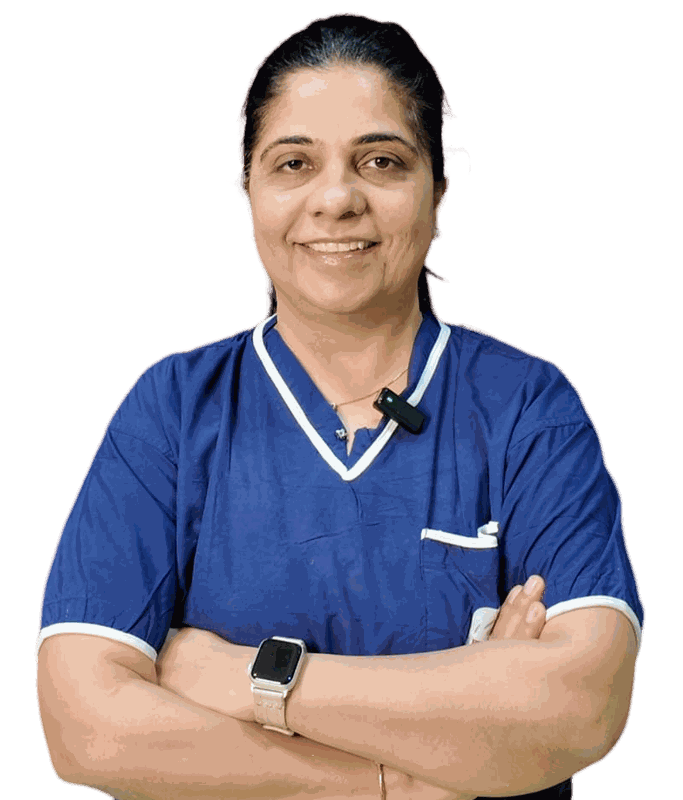
Medical Reviewer
Dr. Monica Sachdev
Dr. Monica Sachdev is a leading IVF specialist in Delhi with over 18 years of experience in reproductive medicine. She is dedicated to providing evidence-based fertility care and has helped thousands of families achieve parenthood.
Ready to Start Your Fertility Journey?
Our friendly team at Pravi IVF is here to stand by you, listen to your story, and help you through every single step.