

Yes, you can get pregnant with adenomyosis, either naturally or with fertility treatment. The condition can make conception harder for some people, but your age, ovarian reserve, fallopian tubes and partner’s sperm also influence which approach makes sense.
If your scan mentions adenomyosis, you do not automatically need IVF. Here is how to understand your options without rushing into treatment or losing valuable time.
Key takeaways
- Adenomyosis does not mean pregnancy is impossible.
- Some people conceive naturally; others benefit from fertility treatment.
- IUI and IVF cannot remove adenomyosis from the uterus.
- Treatment should consider your symptoms, age and complete fertility assessment.
- A positive pregnancy test should be followed by appropriate antenatal care.
Understand what adenomyosis means for your fertility
It affects the muscle of the uterus
Adenomyosis occurs when tissue similar to the uterine lining is found within the uterine muscle. It may cause heavy periods, painful cramps or an enlarged uterus, although some people have no obvious symptoms.
It differs from endometriosis, where similar tissue grows outside the uterus. The two conditions can occur together, so pain alone cannot tell you which one you have.
Its effect varies from person to person
Adenomyosis may alter uterine contractions, inflammation and the environment where an embryo implants. Studies associate it with reduced fertility and a higher risk of miscarriage, but individual outcomes vary and other fertility problems may contribute.
An ultrasound finding cannot predict your personal chance of pregnancy. Your specialist needs to interpret it alongside your medical history and other test results.
Can you get pregnant with adenomyosis naturally?
Natural conception may be a reasonable first option
If you ovulate, have open fallopian tubes and there is no significant sperm problem, trying naturally may be appropriate. This is especially worth discussing when you have not been trying long and your symptoms are manageable.
Having intercourse every two to three days throughout your cycle can reduce the pressure of pinpointing ovulation. Alternatively, aim for every one to two days during the fertile window around ovulation.
Agree on a review date
Generally, seek fertility assessment after 12 months of trying if you are under 35, or after six months if you are 35 or older. Over 40, or with known adenomyosis, an earlier consultation is reasonable rather than waiting automatically.
- Start a daily folic acid supplement, usually 400 micrograms, unless prescribed otherwise.
- Track cycle dates, heavy bleeding and pain.
- Avoid smoking and alcohol while trying to conceive.
- Review regular medicines and painkillers with your doctor.
- Ask about anaemia testing if your periods are heavy.
Get the right assessment before choosing treatment
Check the uterus and other fertility factors
A transvaginal ultrasound is commonly used to assess adenomyosis. MRI may help when ultrasound findings are uncertain or more detail would change treatment planning; it is not necessary for everyone.
Your doctor may also assess ovulation, ovarian reserve and tubal patency, and arrange a semen analysis. Ovarian reserve tests help plan treatment, but they do not independently predict whether you can conceive naturally.
- Bring previous ultrasound or MRI reports and available images.
- List how long you have been trying and any previous pregnancies.
- Mention miscarriages, pelvic surgery or previous fertility treatment.
- Describe how bleeding and pain affect daily life.
Ask what each test will change
Before booking investigations, ask whether the result would alter your next step. This helps you avoid repeating recent tests unnecessarily and keeps the discussion focused on decisions rather than a long list of investigations.
Compare natural conception, IUI and IVF
These options address different barriers to pregnancy. None guarantees success, and a diagnosis of adenomyosis alone does not decide which one you need.
| Option | When it may help | Main limitation |
| Natural conception | Ovulation, tubes and sperm support conception | Other fertility factors may make waiting less suitable |
| IUI | Selected cases with at least one open tube | Does not address uterine changes from adenomyosis |
| IVF | Blocked tubes, additional fertility factors or unsuccessful simpler treatment | Implantation still depends partly on the uterine environment |
When IUI may be considered
Intrauterine insemination places prepared sperm inside the uterus around ovulation. IUI treatment may suit selected couples, depending on age, tubal health, sperm findings and how long they have been trying.
Evidence specifically supporting IUI for adenomyosis is limited. Agree in advance on when to reassess rather than repeating cycles without a clear reason.
When IVF may be more suitable
IVF treatment fertilises eggs outside the body and transfers an embryo into the uterus. It may be recommended for blocked tubes, significant additional fertility factors, or when time and previous treatment outcomes favour a different approach.
ICSI treatment involves injecting a sperm into an egg, usually for specific fertilisation or sperm-related indications. Adenomyosis alone is not a reason to use ICSI, and ICSI does not treat the uterine condition.
Plan symptom treatment around your pregnancy goals
Some medicines postpone attempts to conceive
Hormonal medicines can reduce bleeding and pain, but many prevent pregnancy while you use them. Tell your doctor whether you want to start trying now, prepare for fertility treatment, or postpone pregnancy.
Before embryo transfer, some specialists consider temporary hormonal suppression in selected cases. Evidence on the best approach is mixed, so ask about the expected benefit, side effects and treatment delay rather than assuming everyone needs it.
Surgery needs careful consideration
Fertility-preserving surgery may be considered in selected cases, but it is not routine treatment for everyone with adenomyosis. It can leave a uterine scar and affect future pregnancy management, including the risk of uterine rupture.
Discuss such treatment with a specialist experienced in fertility-preserving care. Hysterectomy removes the uterus and is not an option if you want to carry a pregnancy.
Know what to discuss once you are pregnant
Adenomyosis has been associated with miscarriage, preterm birth and some placental or blood-pressure-related complications. These are increased risks, not inevitable outcomes; your obstetrician can tailor monitoring to your history and pregnancy findings.
- Tell your obstetrician about your diagnosis and any uterine surgery.
- Arrange early pregnancy review as advised.
- Seek urgent care for severe pain, heavy bleeding or fainting.
Frequently Asked Questions
Does adenomyosis always cause infertility?
No. Some people conceive without treatment. The diagnosis needs to be considered alongside your age, ovulation, tubes, sperm findings and time spent trying.
Can IVF overcome adenomyosis completely?
No. IVF can help with fertilisation and other fertility barriers, but an embryo still needs to implant in the uterus. Adenomyosis may continue to influence pregnancy outcomes.
Is IUI worth trying before IVF?
Sometimes. It depends on your age, tubal health, sperm results and previous treatment. Ask whether a limited trial is sensible or whether it could delay more appropriate care.
Will treating painful periods improve fertility?
Not necessarily. Symptom relief and improved fertility are different goals. Some effective pain and bleeding treatments also prevent conception while they are being used.
Can diet or supplements cure adenomyosis?
No diet or supplement has been proven to cure adenomyosis. Balanced meals and correcting documented deficiencies support general health but should not replace fertility assessment or prescribed treatment.
Talk through your next step at Pravi Global IVF
At Pravi Global IVF in Lajpat Nagar, New Delhi, discuss your symptoms, reports and pregnancy plans. Bring previous treatment records and ask which options fit your situation, including whether trying naturally remains reasonable.
Call +91 80091 50040 or book an appointment. For clinic information and directions, visit our contact page.
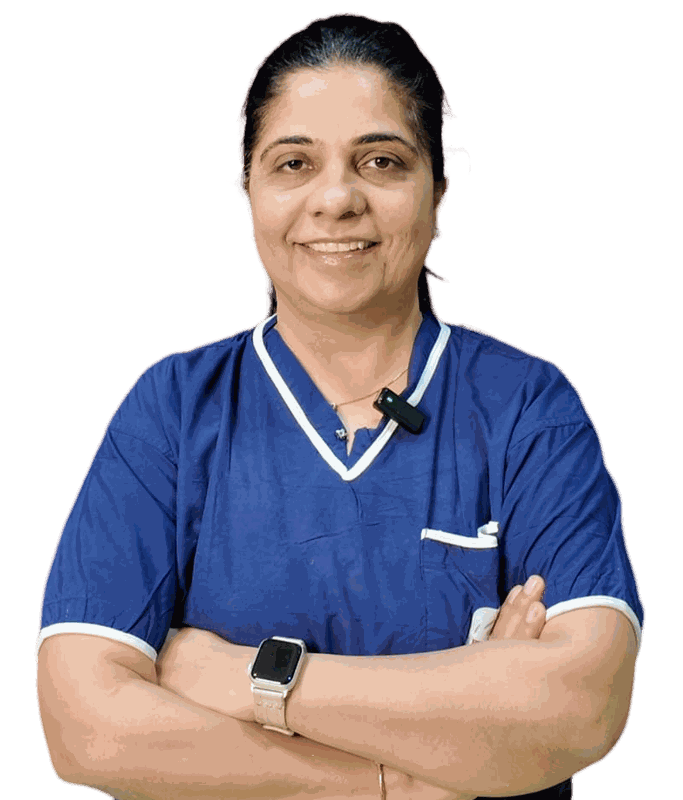
Medical Reviewer
Dr. Monica Sachdev
Dr. Monica Sachdev is a leading IVF specialist in Delhi with over 18 years of experience in reproductive medicine. She is dedicated to providing evidence-based fertility care and has helped thousands of families achieve parenthood.
Ready to Start Your Fertility Journey?
Our friendly team at Pravi IVF is here to stand by you, listen to your story, and help you through every single step.