

If irregular periods are making pregnancy planning difficult, PCOS treatment in Delhi can help you understand whether you are ovulating and what support you need. PCOS does not automatically mean infertility, and many people conceive naturally or with treatment tailored to their circumstances.
At Pravi Global IVF in Lajpat Nagar, New Delhi, you can discuss your symptoms, pregnancy plans and previous reports before deciding on the next step.
Key takeaways
- PCOS commonly affects fertility by making ovulation irregular or absent.
- An ultrasound alone cannot confirm every case of PCOS.
- Assessment should consider both partners, not just your periods.
- Ovulation medicines may help; IVF is not automatically needed.
- Your age, medical history and treatment response guide decisions.
Understand why PCOS can delay pregnancy
Irregular ovulation reduces opportunities to conceive
Polycystic ovary syndrome, or PCOS, is a hormonal and metabolic condition. When eggs do not mature and release regularly, you have fewer predictable opportunities for fertilisation, making fertile-window tracking difficult.
The small follicles seen on an ultrasound are not the same as harmful ovarian cysts. Their presence does not mean you need surgery, and some people with PCOS do not have this ultrasound appearance.
Several factors influence the condition
PCOS has no single established cause. Inherited tendencies, higher androgen levels and insulin resistance can contribute, although not everyone with PCOS has all these features.
PCOS can occur at any body size. If pregnancy is delayed, your clinician should also consider age-related fertility changes, thyroid problems, fallopian tube health and sperm factors rather than attributing everything to PCOS.
Recognise symptoms and know when to seek help
Symptoms vary, and their severity does not reliably predict your chances of pregnancy. You may notice changes long before you start trying to conceive.
- Periods that are widely spaced, unpredictable or absent.
- Acne or increased facial and body hair.
- Thinning hair over the scalp.
- Difficulty managing weight or darker skin around the neck.
- Difficulty identifying ovulation or becoming pregnant.
Do not wait if your periods are irregular
Seek assessment early if periods are absent or very irregular. Otherwise, fertility evaluation is generally advised after 12 months of trying if you are under 35, or after six months if you are 35 or older; over 40, seek advice promptly.
If you have gone around three months without a period, take a pregnancy test and contact your doctor. Long gaps between periods may require treatment to protect the womb lining, even when you are not trying for pregnancy.
Choose PCOS treatment in Delhi after the right tests
Confirm the diagnosis before choosing medicines
In adults, diagnosis usually requires two of three features: irregular ovulation, clinical or biochemical signs of raised androgens, and polycystic ovarian features on ultrasound. Other possible causes must be excluded; assessment in adolescents follows different rules.
Your doctor may check thyroid function, prolactin and selected hormone levels. Blood pressure, glucose testing and cholesterol assessment can help identify health risks beyond fertility; the exact tests depend on your history.
Assess the full fertility picture
A semen analysis can identify sperm-related factors early. Depending on your history and proposed treatment, your doctor may recommend checking whether your fallopian tubes are open.
AMH can be elevated in PCOS, but it does not measure egg quality or guarantee pregnancy. Ask what each test will change in your treatment plan before repeating investigations.
- Bring previous scans, blood tests and prescriptions.
- Record recent period dates and unusually heavy bleeding.
- List medicines, supplements and any allergies.
- Share how long you have tried to conceive.
- Mention previous pregnancies, miscarriages or pelvic infections.
Start with treatment that matches your needs
Support health without blame or extreme diets
Regular movement, balanced meals and adequate sleep support metabolic health, even without weight loss. No single PCOS diet is proven best; choose changes you can sustain rather than restrictive plans or expensive supplement packages.
If you have a higher weight, modest weight reduction may improve ovulation for some people, but it is not a guarantee or a prerequisite for every treatment. Discuss folic acid and review existing medicines before trying to conceive.
Use ovulation medicines with supervision
Letrozole is commonly recommended as first-line medication for anovulatory infertility in PCOS when there are no other infertility factors. Your doctor will explain suitability, prescribing considerations and whether ultrasound monitoring is needed.
Metformin may help selected patients, particularly when metabolic concerns are present, but it is not a universal fertility treatment. Injectable hormones may be considered when oral medicines do not work, with closer monitoring because multiple pregnancy and ovarian overstimulation are possible.
Hormonal contraceptives can manage irregular bleeding, acne or excess hair when pregnancy is not the immediate goal. They prevent pregnancy while taken, so your treatment plan should clearly reflect whether you want symptom control or conception.
Understand when IUI or IVF may help
Not everyone with PCOS needs assisted reproduction. The options below show how treatment may progress, rather than a fixed ladder that every patient must follow.
| Option | When it may help | What to clarify |
|---|---|---|
| Ovulation induction | Irregular ovulation without other major fertility factors | Monitoring and timing intercourse |
| IUI | Selected additional fertility factors or unsuccessful earlier treatment | Tube patency and sperm suitability |
| IVF | Blocked tubes, other significant factors or unsuccessful simpler treatment | Stimulation safety and embryo transfer planning |
IUI treatment places prepared sperm inside the uterus around ovulation. It is not automatically necessary simply because you have PCOS.
IVF treatment may be appropriate when simpler options are unsuitable or unsuccessful. ICSI treatment, where one sperm is injected into an egg, is considered for specific indications such as significant sperm problems, not PCOS alone.
Ask how overstimulation risk will be reduced
People with PCOS can have an increased risk of ovarian hyperstimulation syndrome during fertility treatment. Individualised drug doses, monitoring and appropriate trigger or embryo-freezing strategies can reduce risk, although they cannot eliminate it.
- Ask whom to call after clinic hours.
- Report worsening abdominal swelling or persistent vomiting.
- Seek urgent care for breathlessness, severe pain or reduced urination.
Frequently Asked Questions
Can I become pregnant naturally with PCOS?
Yes. If you ovulate, natural conception is possible. Irregular ovulation can make timing harder, so seek advice rather than relying indefinitely on calendar predictions.
Can PCOS be permanently cured?
There is no established permanent cure, but symptoms and associated risks can often be managed. Treatment changes according to your pregnancy plans and health needs.
Are home ovulation kits reliable with PCOS?
They can be misleading because some people with PCOS have persistently elevated luteinising hormone. Your doctor may suggest ultrasound monitoring or appropriately timed blood testing instead.
How much does PCOS fertility treatment cost in Delhi?
Costs depend on investigations, medicines, monitoring and whether assisted reproduction is needed. Request an itemised estimate that explains inclusions, exclusions and possible additional visits.
Does PCOS increase pregnancy risks?
PCOS is associated with higher risks of gestational diabetes and hypertensive disorders. Pre-pregnancy health checks and appropriate antenatal monitoring help address these risks.
Discuss your next step with Pravi Global IVF
You do not need to decide on IVF before your first consultation. Bring your reports and questions to Pravi Global IVF in Lajpat Nagar, New Delhi, to discuss an appropriate assessment and treatment plan.
Call +91 80091 50040 or book an appointment. For location details and visit-related questions, use our contact page.
Medical Reviewer
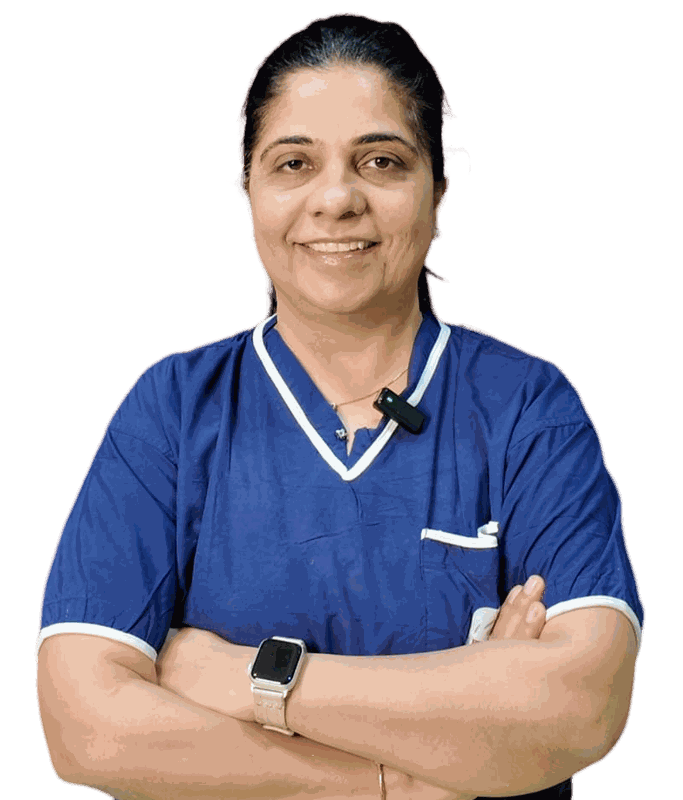
Dr. Monica Sachdev
Dr. Monica Sachdev is a leading IVF specialist in Delhi with over 18 years of experience in reproductive medicine. She is dedicated to providing evidence-based fertility care and has helped thousands of families achieve parenthood.
Ready to Start Your Fertility Journey?
Our friendly team at Pravi IVF is here to stand by you, listen to your story, and help you through every single step.