

Understanding your fertility options is a key step when trying to conceive. Ovulation induction in Delhi is a common and effective fertility treatment designed to stimulate or regulate a woman's egg production, helping many couples achieve their dream of parenthood.
Key Takeaways
- Ovulation induction helps women who don't ovulate regularly or at all.
- It involves medication to stimulate egg growth and release.
- Preparation includes medical checks, lifestyle changes, and understanding the process.
- Choosing the right clinic and asking questions is essential for successful treatment.
What is Ovulation Induction?
Ovulation induction is a fertility treatment that uses medication to stimulate the ovaries to produce and release eggs. It is primarily recommended for women who have irregular ovulation, no ovulation (anovulation), or certain hormonal imbalances.
The goal is to help a woman ovulate predictably, increasing her chances of conception, either naturally or in conjunction with other treatments like IUI.
These medications encourage the development of one or more mature follicles, which then release eggs ready for fertilization.
Who Can Benefit from Ovulation Induction?
Several conditions can disrupt a woman's natural ovulation cycle. Ovulation induction offers a targeted solution for many of these challenges.
Here are some common scenarios where this treatment can be highly beneficial:
- Polycystic Ovary Syndrome (PCOS): This common hormonal disorder often causes irregular or absent ovulation.
- Hypothalamic Amenorrhea: Caused by stress, excessive exercise, or low body weight, leading to a halt in ovulation.
- Unexplained Infertility: In some cases, couples with no clear cause for infertility may try ovulation induction combined with other methods.
- Luteal Phase Defects: When the post-ovulation phase is too short or insufficient for pregnancy maintenance.
- Irregular Menstrual Cycles: Women with unpredictable periods often benefit from regulated ovulation.
A specialist will evaluate your specific situation to determine if ovulation induction in Delhi is the right path for you.
Preparing for Ovulation Induction in Delhi
Proper preparation is crucial for a successful ovulation induction cycle. It involves medical evaluations, lifestyle adjustments, and understanding the treatment steps.
Initial Medical Assessment
Before starting any treatment, your fertility specialist will conduct a thorough medical assessment. This typically includes hormone level tests, ultrasound scans to check ovarian health, and sometimes an assessment of your partner's sperm.
These initial steps help tailor the treatment plan specifically to your needs.
Lifestyle and Dietary Adjustments
Optimizing your health can significantly impact treatment outcomes. It is often recommended to adopt a healthy lifestyle, including a balanced diet and moderate exercise.
Avoiding smoking and excessive alcohol consumption is also advised. Managing stress through techniques like yoga or meditation can also be beneficial.
Understanding the Medication Protocol
Your doctor will explain the specific medications you will be taking, their dosage, and how they should be administered. Common medications include oral drugs like Clomiphene Citrate (Clomid) or Letrozole, or injectable gonadotropins.
You will learn about potential side effects and how your cycle will be monitored with ultrasounds and blood tests.
The Ovulation Induction Process: What to Expect
Once you begin treatment, you'll be closely monitored to ensure the best possible outcome. The process generally follows a predictable pattern.
- Medication Administration: You will start taking fertility medications as prescribed, usually at the beginning of your menstrual cycle.
- Follicle Monitoring: Regular ultrasound scans will track the growth of ovarian follicles. Blood tests may also be done to monitor hormone levels.
- Trigger Shot: Once follicles reach an optimal size, an HCG (human chorionic gonadotropin) injection, known as a 'trigger shot,' is given to induce the final maturation and release of eggs.
- Timed Intercourse or IUI: Ovulation typically occurs 24-36 hours after the trigger shot. You will be advised on timed intercourse or, if applicable, an intrauterine insemination (IUI) procedure around this time. For more on IUI, visit our page on IUI Treatment in Lajpat Nagar Delhi.
This careful monitoring helps maximize your chances of conception while minimizing risks.
Comparing Ovulation Induction with Other Fertility Treatments
While ovulation induction is a powerful tool, it's just one piece of the fertility treatment puzzle. It's often compared or combined with other procedures.
| Feature | Ovulation Induction (OI) | IUI (Intrauterine Insemination) | IVF (In Vitro Fertilization) |
|---|---|---|---|
| Primary Goal | Stimulate egg production | Deliver sperm directly to uterus | Fertilize egg outside body |
| Complexity | Low to Moderate | Moderate | High |
| Medication Use | Oral/Injectable to stimulate ovaries | Often combined with OI medications | Higher doses of injectable hormones |
| Invasiveness | Minimal | Low (simple procedure) | Moderate (egg retrieval) |
| Suitable For | Anovulation, irregular cycles | Mild male factor, unexplained, OI failure | Severe male factor, tubal issues, advanced maternal age |
Sometimes, OI is the first step, and if unsuccessful, treatments like IUI or even IVF might be considered. For more advanced options, you can learn about IVF treatment in Lajpat Nagar Delhi or ICSI treatment in Lajpat Nagar Delhi.
Choosing the Right Clinic for Ovulation Induction in Delhi
Selecting a fertility clinic is a significant decision. When considering ovulation induction in Delhi, look for a center that offers comprehensive care, experienced specialists, and a supportive environment.
- Expertise: Ensure the clinic has board-certified fertility specialists with a proven track record.
- Technology: Access to advanced diagnostic tools and treatment protocols is vital.
- Patient Support: A compassionate team that offers emotional support and clear communication can make a big difference.
- Personalized Care: Each patient's needs are unique, so a tailored treatment plan is crucial.
- Transparent Communication: The clinic should openly discuss all aspects of your treatment, including costs and potential outcomes.
At Pravi Global IVF, we are committed to providing personalized, high-quality care to help you achieve your family-building goals. You can learn more about us and our approach by visiting our contact page or booking an appointment.
Questions to Ask Your Fertility Specialist
Being informed empowers you to make the best decisions about your fertility treatment. Don't hesitate to ask your doctor any questions you have.
Here are some important questions to consider:
- What specific type of ovulation induction medication do you recommend for my situation and why?
- What are the potential side effects of the medication, and how are they managed?
- How frequently will I need monitoring appointments (ultrasounds, blood tests)?
- What are the chances of success for ovulation induction in my case?
- What are the risks associated with ovulation induction, such as multiple pregnancies or Ovarian Hyperstimulation Syndrome (OHSS)?
- What are the next steps if ovulation induction is not successful after a few cycles?
- What is the total estimated cost for a cycle of ovulation induction, including medications and monitoring?
Your fertility specialist is your best resource for accurate and personalized information.
If you're considering ovulation induction or any other fertility treatment, remember that you're not alone. Many couples successfully achieve pregnancy with the right support and medical care. Taking the first step by consulting a specialist can open up new possibilities on your journey to parenthood.
For more information or to discuss your specific needs, please book an appointment with us at Pravi Global IVF.
Frequently Asked Questions
What is the success rate of ovulation induction?
Success rates for ovulation induction vary greatly depending on the individual's underlying cause of infertility, age, and other factors. Your fertility specialist can provide an estimate based on your specific medical profile after a thorough evaluation.
Are there any side effects of ovulation induction medication?
Yes, some women may experience mild side effects such as hot flashes, mood swings, headaches, or abdominal discomfort. More rarely, there's a risk of Ovarian Hyperstimulation Syndrome (OHSS) or multiple pregnancies, both of which are closely monitored by your doctor.
How many cycles of ovulation induction are typically recommended?
The number of cycles recommended can vary. Often, doctors may suggest trying 3-6 cycles of ovulation induction. If pregnancy is not achieved after several attempts, your specialist may recommend exploring other fertility treatments.
Does ovulation induction increase the risk of multiple pregnancies?
Yes, ovulation induction does carry an increased risk of multiple pregnancies (e.g., twins or triplets) compared to natural conception. This is because the medications stimulate the ovaries to produce more than one egg. Your doctor will monitor follicle development to manage this risk.
When should I consult a specialist for ovulation induction?
If you've been trying to conceive for 12 months (or 6 months if you're over 35) without success, or if you have known ovulatory issues like PCOS or very irregular periods, it's a good idea to consult a fertility specialist to discuss options like ovulation induction. You can reach Pravi Global IVF at +91 80091 50040 to schedule a consultation.
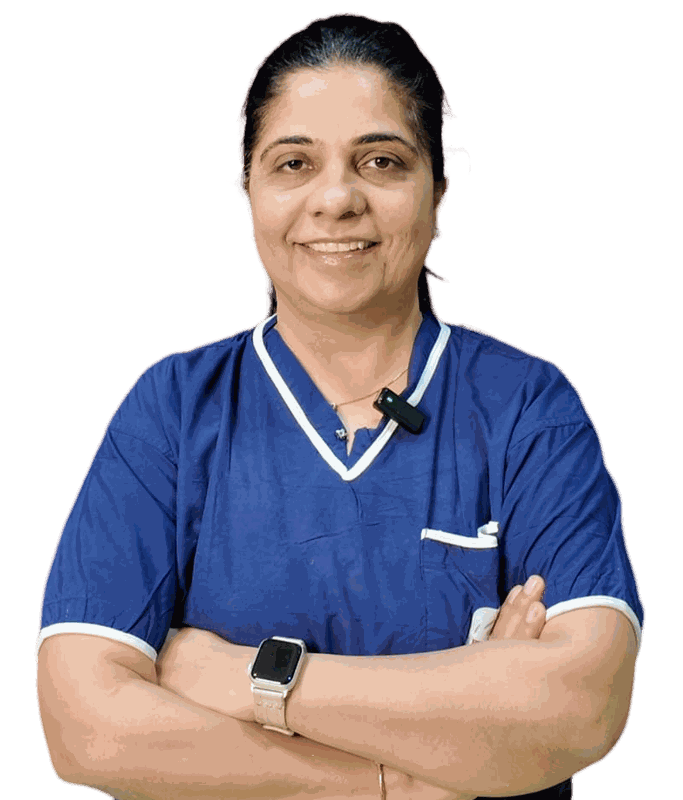
Medical Reviewer
Dr. Monica Sachdev
Dr. Monica Sachdev is a leading IVF specialist in Delhi with over 18 years of experience in reproductive medicine. She is dedicated to providing evidence-based fertility care and has helped thousands of families achieve parenthood.
Ready to Start Your Fertility Journey?
Our friendly team at Pravi IVF is here to stand by you, listen to your story, and help you through every single step.