

Key Takeaways
- Ovarian hyperstimulation syndrome is an excessive response to fertility medicines, usually during injectable ovarian stimulation.
- Mild bloating can happen after egg retrieval, but worsening pain, vomiting, reduced urine, or breathlessness need medical assessment.
- Personalised medicine doses, monitoring, and appropriate trigger choices can reduce risk.
- Do not change injections, restrict fluids, or start preventive medicines without your fertility team’s advice.
Understanding ohss before fertility treatment can help you recognise concerning changes without becoming alarmed by every cramp. Most people do not develop severe complications, but knowing when to call your clinic is an important part of treatment preparation.
What Is OHSS?
Ovarian hyperstimulation syndrome occurs when stimulated ovaries become enlarged and release signals that make blood vessels leak fluid. Fluid can collect in the abdomen and, in severe cases, around the lungs, while less fluid remains in the circulation.
It is most often associated with injectable stimulation during IVF, although it can also occur with other fertility treatments using ovarian stimulation. It is not simply an allergic reaction to a medicine or a sign that someone has followed treatment incorrectly.
Severe illness can affect kidney function and increase the risk of blood clots. This is why symptoms should be assessed according to their severity and progression, rather than dismissed as routine treatment discomfort.
When Can Symptoms Start?
Symptoms often develop during the week after the injection used to trigger final egg maturation. They may become noticeable around egg retrieval or in the days that follow.
Later symptoms can begin roughly ten days or more after the trigger, particularly if pregnancy occurs. Pregnancy-related hormones can make the condition more prolonged or more severe.
Many mild cases settle within one to two weeks when pregnancy has not occurred, but recovery varies. Continue following your clinic’s advice even if your embryo transfer has been postponed.
Recognising OHSS Signs and Symptoms
Mild abdominal fullness and discomfort can occur after stimulation or egg retrieval without indicating a serious complication. The key questions are whether symptoms are worsening, affecting daily activities, or accompanied by warning signs.
| Symptom pattern | What you might notice | Recommended response |
|---|---|---|
| Mild and stable discomfort | Bloating, mild nausea, or a heavy feeling in the lower abdomen | Inform your fertility team and follow their monitoring advice. |
| Worsening symptoms | Increasing abdominal swelling, persistent vomiting, rapid weight increase, or noticeably reduced urine | Contact your clinic promptly for same-day assessment. |
| Emergency warning signs | Breathlessness, chest pain, fainting, severe abdominal pain, or a painful swollen leg | Seek emergency medical care immediately. |
Do not wait for a scheduled scan if you feel significantly worse. Sudden, severe, one-sided pelvic pain also needs urgent assessment because an enlarged ovary can twist, a separate emergency called ovarian torsion.
What to Report When You Call
- When symptoms started and whether they are getting worse.
- Your trigger injection and egg retrieval dates, if applicable.
- Whether you can drink and keep fluids down.
- Changes in urine amount, abdominal swelling, or weight.
- Any breathlessness, chest pain, dizziness, or leg swelling.
Who May Be at Higher Risk?
Risk depends on your ovarian reserve, treatment history, and response during the current cycle. A higher-risk profile does not mean a complication is inevitable, but it may influence the treatment plan.
- Polycystic ovary syndrome, particularly with a strong response to stimulation.
- High anti-Müllerian hormone levels or a high antral follicle count.
- A previous episode of ovarian hyperstimulation syndrome.
- A large number of developing follicles or rapidly rising oestrogen levels during treatment.
- Pregnancy after a stimulated cycle, which can prolong symptoms in susceptible patients.
No single blood test or follicle count predicts every case. Your clinician considers several findings together and may revise the plan as monitoring results become available.
How Fertility Teams Reduce the Risk
Preventing ohss starts with choosing a stimulation approach suited to your individual risk. Regular ultrasound scans and, when indicated, blood tests help the team decide whether treatment needs adjustment.
Individualised Medicines and Trigger Choices
A carefully selected starting dose can reduce excessive stimulation. For patients at increased risk, a GnRH antagonist protocol may allow a GnRH agonist trigger instead of an hCG trigger, substantially lowering risk in suitable cycles.
Trigger decisions are linked to the rest of the treatment plan and cannot safely be made in isolation. Your clinician may also prescribe cabergoline for selected patients to reduce risk; it should not be started independently.
Changing the Transfer Plan When Needed
A freeze-all strategy means freezing suitable embryos and planning transfer in a later cycle. This helps avoid the pregnancy-related hormone rise that can worsen late-onset symptoms, although it does not eliminate every possibility of illness.
Occasionally, the safest option is to pause or cancel a cycle. If you are exploring IVF treatment in Lajpat Nagar, Delhi, ask how your team would respond to an unexpectedly strong ovarian response.
The method used to fertilise eggs does not itself prevent this complication. With ICSI treatment, the relevant risk comes mainly from ovarian stimulation rather than the laboratory injection of sperm into an egg.
Looking After Yourself During Monitoring
If your clinician recommends home monitoring, ask for clear instructions and an after-hours contact plan. Home care supports medical supervision; it is not a substitute for assessment when symptoms worsen.
- Drink regularly according to thirst and your clinician’s instructions; do not force excessive amounts of water.
- Record weight, symptoms, and urine changes if your team recommends it.
- Avoid strenuous exercise, jumping, heavy lifting, and intercourse while your ovaries are enlarged.
- Keep gently mobile if comfortable, rather than staying in bed continuously.
- Use only approved pain relief, and ask before taking anti-inflammatory medicines such as ibuprofen.
- Keep follow-up appointments even if discomfort begins to improve.
No special food, protein supplement, or home remedy reliably prevents the condition. Persistent vomiting or difficulty drinking needs medical advice rather than an attempt to manage symptoms through diet alone.
Planning Safer Fertility Care
For injectable stimulation used with IUI treatment, monitoring is also important. Too many developing follicles may lead to cycle cancellation because both hyperstimulation and multiple pregnancy are concerns.
Before starting treatment at Pravi Global IVF in Lajpat Nagar, New Delhi, discuss your previous response to medicines and any concerns about monitoring. Ask the clinic about urgent assessment arrangements, weekend contact options, and circumstances that would require hospital care.
You can use the contact page for routine enquiries. Active warning symptoms should be addressed through immediate clinical contact or emergency care, not left in an online message.
Frequently Asked Questions
Is bloating after egg retrieval always OHSS?
No. Mild bloating can follow egg retrieval without this complication. Increasing swelling, worsening pain, vomiting, reduced urine, or breathing difficulty need prompt assessment.
Can it happen after embryos are frozen?
Yes. Freezing embryos reduces pregnancy-driven late-onset risk but cannot fully prevent early symptoms from stimulation and the trigger. Continue the monitoring plan your clinic provides.
Does drinking extra water prevent it?
No. Forcing large amounts of water does not prevent fluid leakage from blood vessels. Follow individual hydration advice and report reduced urine or difficulty keeping fluids down.
Will everyone with PCOS develop this complication?
No. PCOS can increase risk, but many patients complete treatment without developing it. Individualised dosing, suitable protocols, and monitoring help manage that risk.
When is hospital treatment needed?
Hospital care may be needed for severe symptoms, dehydration, kidney problems, breathing difficulties, or other complications. Treatment can include careful fluid management, clot prevention, and drainage of abdominal fluid when indicated.
For personalised fertility planning, call Pravi Global IVF on +91 80091 50040 or book an appointment. Seek urgent medical care rather than a routine appointment if you have emergency warning signs.
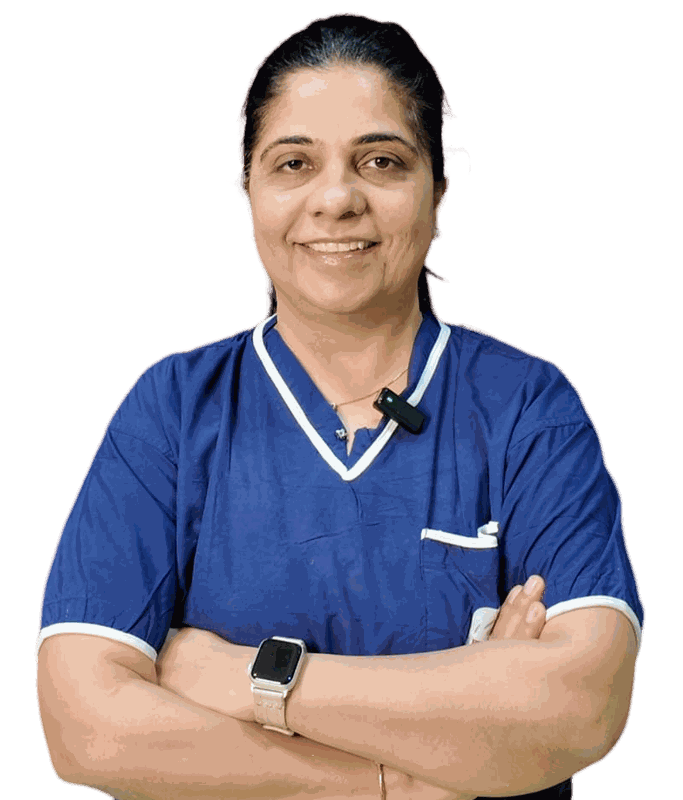
Medical Reviewer
Dr. Monica Sachdev
Dr. Monica Sachdev is a leading IVF specialist in Delhi with over 18 years of experience in reproductive medicine. She is dedicated to providing evidence-based fertility care and has helped thousands of families achieve parenthood.
Ready to Start Your Fertility Journey?
Our friendly team at Pravi IVF is here to stand by you, listen to your story, and help you through every single step.