

If you are searching for obstructive azoospermia treatment Delhi, you may have received a semen report showing no sperm. This result can be upsetting, but a blockage does not necessarily mean your testicles have stopped producing sperm. A specialist assessment can clarify the cause and explain your options.
Key Takeaways
- Obstructive azoospermia means sperm cannot reach the semen because a reproductive tract passage is blocked or absent.
- A single semen report cannot reliably distinguish a blockage from reduced sperm production.
- Treatment may involve repairing the blockage or retrieving sperm for IVF with ICSI.
- The best approach depends on the blockage, both partners’ fertility findings and your preferences.
- No treatment guarantees pregnancy; discuss likely benefits and limitations with a specialist.
What Is Obstructive Azoospermia?
Azoospermia means no sperm are found in the ejaculate after appropriate laboratory assessment. In obstructive azoospermia, sperm production is usually preserved, but an obstruction prevents sperm from entering the semen.
The blockage may affect the epididymis, where sperm mature, the vas deferens, which carries sperm, or the ejaculatory ducts. Because most semen fluid comes from other glands, ejaculation can look normal even when no sperm are present.
How Is It Different From Non-Obstructive Azoospermia?
Non-obstructive azoospermia involves impaired sperm production rather than a blocked passage. The distinction matters because treatment options and the likelihood of finding sperm differ; a semen report alone cannot establish which type you have.
What Can Cause a Blockage?
Some men are born with missing or blocked reproductive ducts, while others develop an obstruction later. There may be no pain or obvious warning signs.
- Previous vasectomy: The vas deferens has been intentionally divided or blocked.
- Congenital absence of the vas deferens: One or both sperm-carrying tubes may be absent from birth, sometimes associated with CFTR gene variants.
- Past infection or inflammation: Scarring can affect the epididymis or other passages.
- Previous surgery or injury: Certain groin, scrotal or pelvic procedures can damage reproductive ducts.
- Ejaculatory duct obstruction: Cysts, scarring or other structural changes can block the ducts near the prostate.
Antibiotics can treat a confirmed active infection, but they do not reliably reverse an established scar-related blockage. Treatment should therefore follow a diagnosis rather than repeated empirical medication.
Tests Before Obstructive Azoospermia Treatment Delhi
Assessment should confirm azoospermia and look for evidence of either obstruction or impaired production. Both partners should ideally be evaluated together, because the female partner’s age and fertility findings can influence treatment timing.
Repeat Semen Analysis
A specialist will usually arrange a repeat semen analysis at an experienced laboratory. Examination of the centrifuged semen pellet helps identify very small numbers of sperm that might otherwise be missed.
Semen volume and pH can provide additional clues. Low-volume semen may suggest an ejaculatory duct problem, but incomplete collection or retrograde ejaculation can also explain it and require different assessment.
Medical History, Examination and Hormones
Your doctor will ask about previous pregnancies, infections, operations, medicines and ejaculation concerns. Examination includes testicular size and consistency, the epididymis and whether the vas deferens can be felt.
Blood tests commonly include FSH and testosterone, with other hormones requested when appropriate. Normal hormone levels can support a suspicion of obstruction, but they do not prove it.
Selective Imaging and Genetic Tests
Ultrasound is used when findings suggest a specific structural problem, rather than automatically for everyone. Transrectal ultrasound may be considered when an ejaculatory duct obstruction is suspected.
If the vas deferens is absent or an unexplained obstruction is suspected, CFTR testing and genetic counselling may be recommended. Partner testing may also be advised to assess inherited risks; other genetic tests depend on whether impaired sperm production is suspected.
Treatment Options: Repair or Sperm Retrieval?
When considering obstructive azoospermia treatment Delhi, the main decision is whether to restore the sperm pathway or bypass it. A fertility specialist and a urologist experienced in male reproductive surgery can help you compare these approaches.
Microsurgical Reconstruction
Selected blockages can be repaired with microsurgery. Vasovasostomy reconnects the vas deferens, while vasoepididymostomy connects it directly to the epididymis when that is necessary.
Successful repair may allow sperm to return to the ejaculate and make natural conception possible. Recovery and sperm return take time, and an open passage does not guarantee pregnancy; some obstructions cannot be reconstructed.
Treatment for Ejaculatory Duct Obstruction
A confirmed ejaculatory duct obstruction may sometimes be treated with an endoscopic procedure. Careful selection matters because benefits are not certain, and complications can include infection, bleeding or changes in ejaculation.
Sperm Retrieval With IVF and ICSI
If repair is unsuitable or the couple prefers assisted conception, sperm may be retrieved from the epididymis or testicle. Options include PESA, MESA, TESA and TESE; the choice depends on clinical findings and laboratory planning.
Retrieved sperm are generally used with ICSI treatment, where a single sperm is injected into a mature egg within an IVF cycle. Finding sperm is not the same as achieving pregnancy, which also depends on egg quality, embryo development and other factors.
- Ask why a particular retrieval technique is recommended.
- Discuss whether sperm retrieval and freezing should happen before ovarian stimulation.
- Understand the backup plan if usable sperm are not obtained.
- Review discomfort, bleeding, infection and anaesthesia risks.
Choosing a Plan That Fits Both Partners
The choice is not simply “surgery versus IVF.” It should reflect the obstruction’s location, whether repair is feasible, the female partner’s fertility assessment, your desired family size and how much time you can reasonably allow.
Ask for an itemised estimate rather than relying on a package headline. Charges may include consultations, tests, surgery, anaesthesia, sperm freezing, storage, medicines, IVF, ICSI and embryo transfer.
- Bring all semen reports, hormone results and previous imaging.
- Share records of vasectomy, hernia repair or other relevant operations.
- List medicines and supplements, including testosterone or anabolic steroids.
- Write down questions about timelines, alternatives and follow-up.
Healthy habits support general reproductive health, but supplements cannot reopen a blocked duct. Avoid starting testosterone for fertility concerns without specialist advice, as it can suppress sperm production.
Frequently Asked Questions
Can Obstructive Azoospermia Be Cured?
Some blockages can be surgically corrected, allowing sperm to return to semen. Others cannot; sperm retrieval with ICSI may still offer a route to biological parenthood without correcting the obstruction.
Can We Conceive Naturally?
Natural conception is not expected while complete obstruction prevents sperm from reaching the ejaculate. It may become possible after successful reconstruction, depending on both partners’ fertility.
Is IUI an Option?
IUI treatment using your ejaculated sperm is not possible when the sample contains no sperm. It may be considered after successful repair if semen parameters are suitable, or with donor sperm following counselling.
Is Sperm Retrieval Painful?
Sperm retrieval is performed with appropriate local anaesthesia, sedation or other anaesthesia depending on the procedure. Temporary discomfort, bruising or swelling can occur; your team should explain recovery and warning signs.
Does Normal Sexual Function Rule Out a Blockage?
No. Men with obstructive azoospermia may have normal erections, libido and ejaculation. Sexual function does not establish whether sperm are present in semen.
Discuss Your Next Step in Lajpat Nagar
For obstructive azoospermia treatment Delhi, start with a specialist review rather than assuming IVF or surgery is automatically necessary. Pravi Global IVF in Lajpat Nagar, New Delhi, can help you discuss your reports and fertility care options.
Book an appointment or contact the clinic for visit details. Call +91 80091 50040 to arrange a consultation.
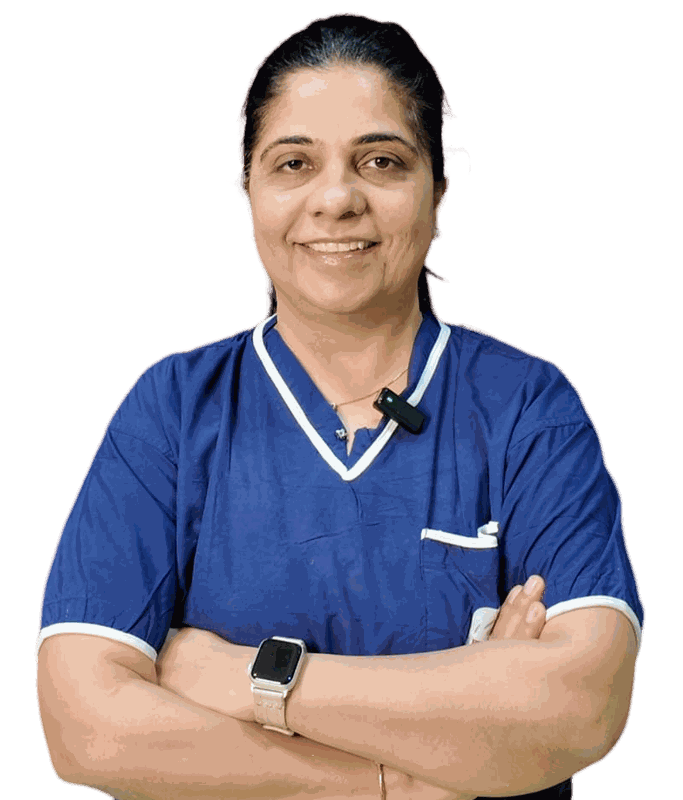
Medical Reviewer
Dr. Monica Sachdev
Dr. Monica Sachdev is a leading IVF specialist in Delhi with over 18 years of experience in reproductive medicine. She is dedicated to providing evidence-based fertility care and has helped thousands of families achieve parenthood.
Ready to Start Your Fertility Journey?
Our friendly team at Pravi IVF is here to stand by you, listen to your story, and help you through every single step.