

When facing male infertility challenges, particularly severe cases like non-obstructive azoospermia, understanding the options becomes crucial. One advanced and highly effective surgical procedure is the Micro-TESE process, which offers hope for biological fatherhood.
This detailed guide will walk you through each stage of Micro-TESE, explaining what to expect, from preparation to recovery, right here at Pravi Global IVF in Lajpat Nagar, New Delhi.
Key Takeaways
- Micro-TESE is a precise surgical technique for sperm retrieval in men with non-obstructive azoospermia.
- It involves microscopic examination of testicular tissue to locate and extract sperm, offering higher success rates than traditional TESE.
- Preparation includes thorough diagnostic testing and counseling to ensure readiness for the procedure.
- Recovery is generally straightforward, but careful adherence to post-operative instructions is vital for healing.
- Retrieved sperm can be used immediately with IVF with ICSI or cryopreserved for future cycles.
What is Micro-TESE and When is it Recommended?
Micro-TESE, or Microdissection Testicular Sperm Extraction, is a sophisticated surgical procedure used to retrieve sperm directly from the testes. It is performed under a high-powered operating microscope, allowing the surgeon to carefully identify and remove small sections of testicular tissue that are more likely to contain sperm.
This method is typically recommended for men diagnosed with non-obstructive azoospermia (NOA). NOA means there is no sperm in the ejaculate due to a problem with sperm production, not a blockage. Conditions like genetic abnormalities (e.g., Klinefelter syndrome), hormonal imbalances, or testicular damage can lead to NOA.
Why Choose Micro-TESE over Traditional TESE?
Micro-TESE offers several advantages compared to conventional TESE techniques. The microscopic visualization helps in selectively removing only the most promising tubules, minimizing the amount of testicular tissue removed.
This targeted approach can lead to higher sperm retrieval rates and less damage to the remaining testicular tissue. It also reduces the risk of complications such as blood supply compromise or significant reduction in testosterone production.
Preparation for the Micro-TESE Process
Effective preparation is key to a successful Micro-TESE procedure. Your journey begins with a comprehensive evaluation and counseling at Pravi Global IVF.
- Initial Consultations: You and your partner will meet with our fertility specialists to discuss your medical history, previous treatments, and family planning goals.
- Diagnostic Testing: This typically includes hormone level checks (FSH, LH, Testosterone), genetic testing (karyotype, Y-chromosome microdeletion), and sometimes a testicular biopsy if not previously done. These tests help confirm the diagnosis of NOA and rule out other causes.
- Surgical Evaluation: You will undergo a physical examination and discuss the surgical details, potential risks, and benefits with the urologist.
- Medication Review: Inform your doctor about all medications, supplements, and herbal remedies you are taking. You may be advised to stop certain medications, like blood thinners, a week or two before the surgery.
- Lifestyle Adjustments: You will be advised to stop smoking and alcohol consumption prior to surgery to promote better healing. Fasting instructions for the day of surgery will also be provided.
It is important to have all your questions answered during this preparatory phase. Our team is here to support you every step of the way.
The Micro-TESE Process: Step-by-Step Procedure
The Micro-TESE procedure is performed under general anesthesia to ensure your comfort. Here’s a general overview of what happens:
- Anesthesia Administration: You will be given general anesthesia, putting you into a deep sleep for the duration of the surgery.
- Incision: A small incision, typically less than 2 inches, is made in the midline of the scrotum.
- Testicular Exposure: The testis is carefully exposed, and its outer protective layer is opened.
- Microscopic Search for Sperm: Using a high-powered operating microscope, the surgeon meticulously examines the seminiferous tubules within the testis. They look for larger, more opaque tubules, which are often indicative of active sperm production.
- Tissue Extraction: Only small, promising sections of tissue are removed. This selective approach minimizes damage to healthy tissue.
- Sperm Processing: The retrieved tissue is immediately taken to the embryology laboratory. Embryologists then process the tissue to identify and extract any viable sperm.
- Closure: Once sufficient sperm are found or the search is complete, the testicular capsule and scrotal skin are closed with fine sutures.
The entire procedure can take anywhere from 2 to 4 hours, depending on the individual case and the ease of sperm identification.
Recovery and Post-Operative Care
Recovery from the Micro-TESE process is typically straightforward, but proper post-operative care is crucial for healing and preventing complications.
- Immediate Post-Op: You will be monitored in the recovery room until the anesthesia wears off. Pain medication will be provided. Most patients can go home the same day.
- Pain Management: You may experience some mild to moderate pain, swelling, and bruising in the scrotum for a few days. Prescribed pain relievers can help manage this discomfort.
- Activity Restrictions: You will be advised to avoid strenuous activities, heavy lifting, and sexual intercourse for at least 2-4 weeks. Light walking is usually encouraged.
- Wound Care: Keep the incision site clean and dry. Follow specific instructions regarding dressing changes and showering.
- Follow-Up: A follow-up appointment will be scheduled with your urologist to monitor your healing and discuss the outcome of the procedure.
It's important to report any signs of infection (fever, increased redness, severe pain, pus) to your doctor immediately. We are committed to supporting your recovery journey.
Using Retrieved Sperm and Future Considerations
Once sperm are successfully retrieved during Micro-TESE, there are two primary pathways:
Immediate Use with IVF-ICSI
If your partner is undergoing an IVF cycle concurrently, the retrieved sperm can be used fresh for Intracytoplasmic Sperm Injection (ICSI). ICSI involves injecting a single sperm directly into an egg to facilitate fertilization. This is a crucial step for achieving pregnancy with Micro-TESE sperm.
Sperm Cryopreservation
Any excess viable sperm can be cryopreserved (frozen) for future IVF-ICSI cycles. This provides a backup option and avoids the need for repeat Micro-TESE procedures, offering significant emotional and financial relief. Our embryology lab at Pravi Global IVF has state-of-the-art cryopreservation facilities.
Understanding the success rates of Micro-TESE is also important. While no guarantees can be made, Micro-TESE generally offers higher sperm retrieval rates for men with NOA compared to conventional TESE, typically ranging from 40% to 60% or even higher in some populations. The ultimate success rate of achieving a pregnancy depends on various factors, including the quality of sperm and eggs, and the female partner's health.
Micro-TESE vs. Other Sperm Retrieval Techniques
| Feature | Micro-TESE | Traditional TESE | PESA/MESA |
|---|---|---|---|
| Azoospermia Type | Non-Obstructive | Non-Obstructive | Obstructive |
| Microscope Use | Yes, high-power | No | No |
| Tissue Removed | Minimal, targeted | Larger random biopsies | Epididymal fluid aspiration |
| Sperm Retrieval Rate (NOA) | Higher (40-60%+) | Lower (20-45%) | Not for NOA |
| Testicular Damage | Lower risk | Higher risk | Minimal |
| Invasiveness | Surgical | Surgical | Less invasive (for PESA) |
As evident, Micro-TESE is specifically tailored for non-obstructive azoospermia, providing a more refined and effective approach when sperm production is severely impaired.
If you are exploring options for male factor infertility, we encourage you to schedule a consultation with our specialists at Pravi Global IVF. We can help you understand if Micro-TESE or another treatment like ICSI or IUI is suitable for your specific situation. Visit our page on IVF Treatment in Lajpat Nagar, Delhi for more information.
Frequently Asked Questions
What is the success rate of the Micro-TESE process?
The sperm retrieval rate for Micro-TESE in men with non-obstructive azoospermia typically ranges from 40% to 60%, and sometimes higher. However, the ultimate success of achieving a pregnancy depends on many factors, including the quality of the retrieved sperm and the female partner's fertility status. We will discuss your individual chances during consultation.
Is Micro-TESE painful?
The Micro-TESE procedure itself is performed under general anesthesia, so you will not feel any pain during the surgery. Afterward, you can expect some mild to moderate pain, swelling, and bruising in the scrotal area. This can be managed effectively with prescribed pain medication for a few days post-surgery.
How long is the recovery period after Micro-TESE?
Most patients can return to light activities within a few days. However, you will need to avoid strenuous activities, heavy lifting, and sexual intercourse for approximately 2 to 4 weeks to allow for proper healing. A full recovery and resumption of normal activities typically takes about 3-4 weeks.
What are the risks associated with the Micro-TESE process?
Like any surgical procedure, Micro-TESE carries some potential risks, though they are generally low. These can include bleeding, infection, bruising, temporary swelling, or changes in testicular hormone production. Our specialists will thoroughly discuss these risks with you before the procedure to ensure you are fully informed.
When will we know if sperm were found during Micro-TESE?
Our embryologists process the retrieved testicular tissue immediately in the lab while you are still undergoing the procedure. The surgical team typically receives real-time updates on sperm presence. You and your partner will be informed of the outcome by your doctor shortly after the procedure is completed, usually on the same day.
To learn more or to discuss your specific situation, please don't hesitate to book an appointment with our experts. You can also contact us directly at +91 80091 50040 to speak with a patient coordinator at Pravi Global IVF.
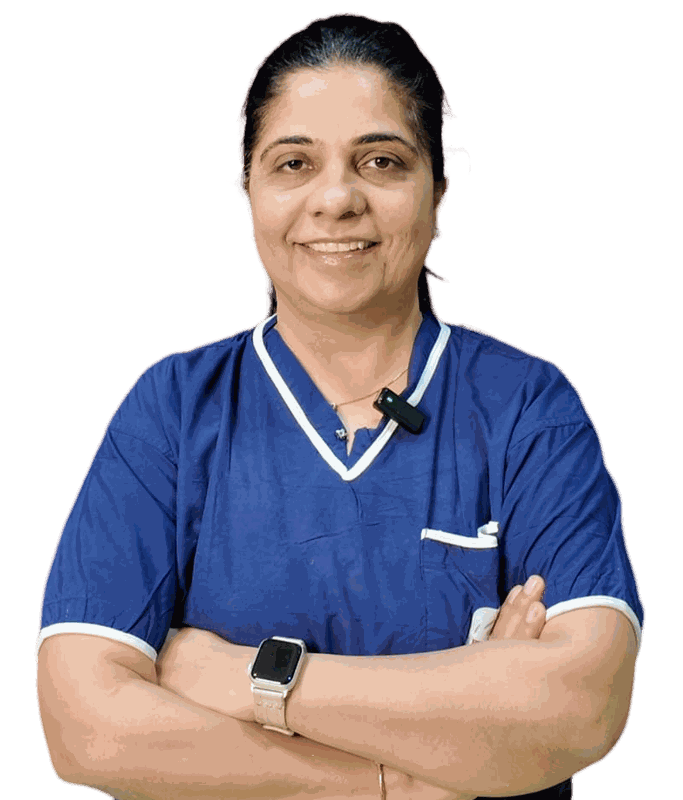
Medical Reviewer
Dr. Monica Sachdev
Dr. Monica Sachdev is a leading IVF specialist in Delhi with over 18 years of experience in reproductive medicine. She is dedicated to providing evidence-based fertility care and has helped thousands of families achieve parenthood.
Ready to Start Your Fertility Journey?
Our friendly team at Pravi IVF is here to stand by you, listen to your story, and help you through every single step.