

The Challenge of Embryo Implantation
Before an embryo can implant into the uterine lining, it must break out of its protective outer shell (the zona pellucida). This natural process is called hatching. In some cases, the outer shell is abnormally thick or hardened, preventing the embryo from escaping and leading to implantation failure. This is where Laser-Assisted Hatching (LAH) provides crucial support.
How Laser-Assisted Hatching Works
During LAH, our chief embryologist uses a highly precise, computer-controlled laser inside our cleanroom lab to make a microscopic opening or thinning in the outer shell of the embryo just before the transfer. This thinned area makes it much easier for the embryo to hatch and attach itself to the endometrium.
Who Benefits from Laser-Assisted Hatching?
LAH is not required for every patient, but is highly recommended for:
- Advanced Maternal Age: Women over 35 often have eggs with harder outer shells.
- Repeated Implantation Failure: Couples who have had failed IVF cycles despite transferring good-quality embryos.
- Using Frozen-Thawed Embryos: The freezing and thawing process can sometimes harden the zona pellucida.
- Poor Embryo Quality: Embryos that need a gentle helping hand to successfully hatch.
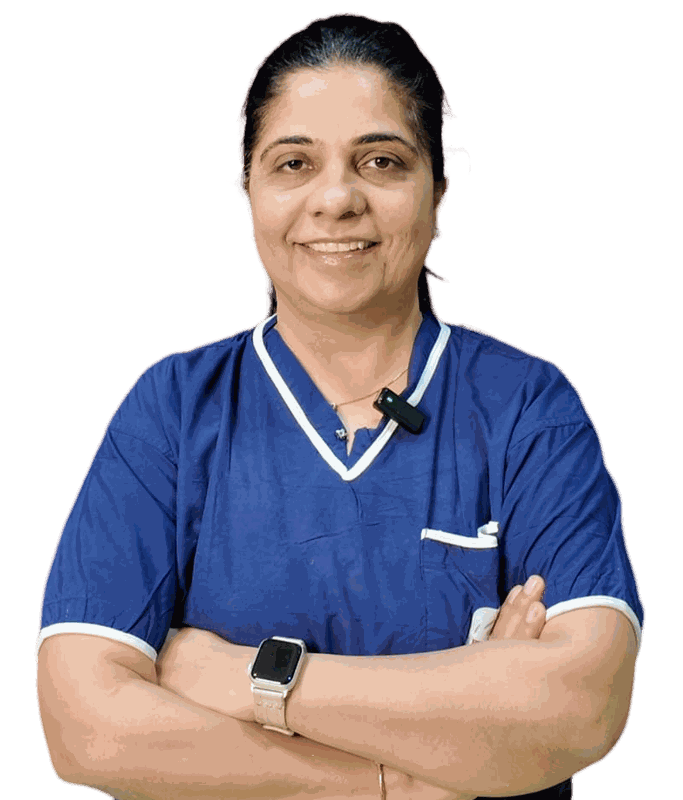
Medical Reviewer
Dr. Monica Sachdev
Dr. Monica Sachdev is a leading IVF specialist in Delhi with over 18 years of experience in reproductive medicine. She is dedicated to providing evidence-based fertility care and has helped thousands of families achieve parenthood.
Ready to Start Your Fertility Journey?
Our friendly team at Pravi IVF is here to stand by you, listen to your story, and help you through every single step.