

Understanding the laparoscopy process is a key step for many individuals or couples exploring fertility treatments. This minimally invasive surgical procedure can play a vital role in diagnosing and treating various conditions that affect fertility.
Key Takeaways
- Laparoscopy is a minimally invasive surgery used for both diagnosing and treating fertility issues.
- The procedure involves small incisions, a camera, and specialized instruments, leading to quicker recovery.
- Preparation includes medical evaluations, fasting, and discussing medications with your doctor.
- Recovery typically involves a few days to a few weeks, with most patients returning to light activities quickly.
- It's crucial to follow post-operative instructions carefully for optimal healing and successful outcomes.
Many factors can contribute to challenges in conceiving, and sometimes, a direct look inside the pelvic cavity is necessary. This is where laparoscopy comes in. Often referred to as 'keyhole surgery,' it allows fertility specialists to examine reproductive organs, identify problems, and in many cases, treat them during the same procedure.
At Pravi Global IVF in Lajpat Nagar, New Delhi, we understand that any surgical procedure can be a source of anxiety. Our goal is to provide clear, compassionate information so you feel empowered and informed about every step of your fertility journey.
What is Laparoscopy and Why is it Used in Fertility?
Laparoscopy is a surgical technique that allows doctors to access the abdomen and pelvis without making large incisions. A laparoscope, a thin, lighted tube with a camera, is inserted through a small cut, usually near the belly button. This camera sends images to a video monitor, giving the surgeon a clear view of the internal organs.
For fertility, this procedure is invaluable. It helps diagnose and treat conditions that might not be visible on imaging tests like ultrasound or MRI. The main reasons for using laparoscopy in fertility include:
- Diagnosing and treating endometriosis.
- Removing fibroids or ovarian cysts.
- Treating ectopic pregnancies.
- Checking for and clearing blocked fallopian tubes.
- Diagnosing pelvic inflammatory disease (PID) and adhesions.
- Evaluating unexplained infertility when other tests are inconclusive.
Comparing Laparoscopy to Open Surgery
It's helpful to understand why laparoscopy is often preferred:
| Feature | Laparoscopy (Minimally Invasive) | Open Surgery (Laparotomy) |
|---|---|---|
| Incisions | Small (0.5-1.5 cm, 1-3 cuts) | Large (5-15 cm, 1 cut) |
| Hospital Stay | Typically outpatient or 1 day | Several days |
| Recovery Time | Faster (days to 2 weeks) | Slower (weeks to months) |
| Pain Level | Generally less post-operative pain | More significant post-operative pain |
| Scarring | Minimal, often barely visible | More noticeable scarring |
Preparing for the Laparoscopy Process
Good preparation is essential for a smooth procedure and recovery. Your medical team at Pravi Global IVF will provide specific instructions, but here's a general overview of what to expect:
-
Medical Evaluation: You'll have blood tests, urine tests, and possibly an ECG to ensure you are fit for surgery.
-
Medication Review: Inform your doctor about all medications, supplements, and herbal remedies you are taking. You might need to stop certain medications, like blood thinners, a week or two before the surgery.
-
Fasting: You will be asked not to eat or drink anything for several hours (typically 6-8 hours) before the procedure.
-
Arranging Support: Since you'll receive general anesthesia, you won't be able to drive yourself home. Arrange for a friend or family member to pick you up and stay with you for the first 24 hours.
-
Asking Questions: Don't hesitate to ask your doctor or nurse any questions you have about the laparoscopy process. Clear communication helps reduce anxiety.
The Laparoscopy Process: Step-by-Step
On the day of your surgery, you'll arrive at the clinic or hospital. Here’s a typical breakdown of the procedure:
1. Anesthesia
You will receive general anesthesia, meaning you will be completely asleep and feel no pain during the surgery. An anesthesiologist will monitor your vital signs throughout the procedure.
2. Incisions and Insufflation
The surgeon will make a small incision, usually 0.5 to 1.5 cm, near your belly button. Carbon dioxide gas is then gently pumped into your abdomen. This inflates the abdominal cavity, creating space for the surgeon to see the organs clearly and work safely without touching them directly.
3. Laparoscope Insertion
The laparoscope, with its camera and light, is inserted through the initial incision. The images are projected onto a high-definition monitor.
4. Additional Incisions (if needed)
Depending on the specific procedure, one or two more small incisions might be made in the lower abdomen. These allow the surgeon to insert specialized surgical instruments to perform necessary diagnostics or treatments.
5. Diagnosis and Treatment
The surgeon carefully examines the uterus, fallopian tubes, ovaries, and surrounding pelvic structures. If issues like endometriosis, fibroids, cysts, or adhesions are found, they can often be treated immediately during the same procedure using the laparoscopic instruments. For example, endometriosis implants can be excised or ablated, fibroids removed, or blocked fallopian tubes cleared. More about fallopian tube issues can be found here.
6. Removal of Instruments and Closure
Once the procedure is complete, the carbon dioxide gas is released, and the instruments are carefully removed. The small incisions are then closed with stitches, surgical tape, or adhesive strips.
Recovery After Laparoscopy
The recovery period after a laparoscopic procedure is generally shorter and less painful compared to open surgery. However, it's important to allow your body time to heal properly.
-
Immediate Post-Op: You'll wake up in a recovery room. You might feel some grogginess from the anesthesia, and mild pain or discomfort at the incision sites. Shoulder pain is common due to residual CO2 gas irritating the diaphragm, but it usually resolves within a day or two.
-
Going Home: Most patients can go home the same day, a few hours after surgery, once they are fully awake, stable, and have passed urine.
-
Pain Management: Your doctor will prescribe pain medication or recommend over-the-counter options to manage discomfort. Follow instructions carefully.
-
Activity Restrictions: Avoid heavy lifting and strenuous activities for a few days to a couple of weeks, as advised by your surgeon. Light walking is often encouraged to aid circulation and gas expulsion.
-
Wound Care: Keep the incision sites clean and dry. You’ll receive specific instructions on how to care for them and when to remove dressings or stitches.
-
Diet: Start with light, easily digestible foods after surgery and gradually return to your normal diet.
-
Return to Work: Depending on the nature of your job and the extent of the surgery, you might be able to return to work within a few days to a week or two.
Always attend your follow-up appointments to ensure proper healing and discuss any concerns. If you experience fever, severe pain, heavy bleeding, or discharge from the incision sites, contact your doctor immediately.
Potential Risks and Benefits of the Laparoscopy Process
Like any surgical procedure, laparoscopy carries some potential risks, although serious complications are rare. These can include:
- Bleeding or infection at the incision sites.
- Injury to nearby organs (e.g., bowel, bladder, blood vessels).
- Allergic reaction to anesthesia.
- Nerve damage.
- Formation of adhesions, though less common than with open surgery.
However, the benefits often outweigh these risks, especially for individuals struggling with infertility. The advantages include:
- Accurate diagnosis of previously undetected conditions.
- Simultaneous treatment of many fertility-related issues.
- Minimally invasive nature leads to less pain and scarring.
- Faster recovery and shorter hospital stay.
- Potentially improved chances of natural conception or success with assisted reproductive technologies like ICSI or IUI.
Your fertility specialist at Pravi Global IVF will thoroughly discuss the specific risks and benefits tailored to your situation.
Next Steps After Laparoscopy
What happens after your laparoscopy depends on the findings and treatment performed:
-
Natural Conception: If a treatable condition like mild endometriosis or blocked fallopian tubes was resolved, your doctor might recommend trying to conceive naturally for a few months.
-
Further Fertility Treatment: In some cases, laparoscopy might clear the way for more effective non-surgical treatments like IUI or IVF. Your doctor will advise on the best course of action.
-
Monitoring: For conditions like severe endometriosis, ongoing monitoring or medical management might be necessary.
It’s important to maintain open communication with your fertility team and follow their guidance for the best possible outcome.
Why Choose Pravi Global IVF for Your Laparoscopy Process?
At Pravi Global IVF in Lajpat Nagar, New Delhi, we are dedicated to providing comprehensive and compassionate fertility care. Our team of experienced specialists utilizes advanced laparoscopic techniques to accurately diagnose and effectively treat conditions impacting fertility. We focus on individualized care, ensuring you understand every aspect of your treatment plan, including the detailed laparoscopy process.
Our state-of-the-art facility is equipped with the latest technology, and our team is committed to making your experience as comfortable and successful as possible. We believe in empowering our patients with knowledge and support at every stage of their fertility journey.
Frequently Asked Questions
How long does a laparoscopic fertility procedure typically last?
The duration of a laparoscopic procedure varies depending on its complexity. A diagnostic laparoscopy might take 30-60 minutes, while a more involved surgery to remove fibroids or treat severe endometriosis could take 1-3 hours.
Will I have noticeable scars after laparoscopy?
Laparoscopy involves very small incisions, usually less than 1.5 cm. These cuts typically heal well, leaving minimal and often barely visible scars that fade over time.
When can I resume sexual activity after the procedure?
It's generally recommended to avoid sexual intercourse for at least 1-2 weeks after laparoscopy to allow the incision sites to heal and reduce the risk of infection. Your doctor will provide specific guidance based on your individual recovery.
Is laparoscopy painful?
You will be under general anesthesia during the procedure, so you won't feel any pain. Afterwards, you can expect some mild to moderate pain and discomfort at the incision sites and possibly shoulder pain from the gas used. This can usually be managed with prescribed or over-the-counter pain relievers.
What should I do if I experience complications after laparoscopy?
If you experience any signs of complications such as fever (over 101°F or 38.3°C), severe or worsening abdominal pain, heavy bleeding, foul-smelling discharge from incisions, or persistent nausea/vomiting, contact Pravi Global IVF or your doctor immediately. Our contact number is +91 80091 50040.
If you have further questions or wish to explore fertility treatment options, please don't hesitate to reach out to us. You can book an appointment online at pravi.global/book-appointment/ or contact us directly at pravi.global/contact/ or by phone at +91 80091 50040.
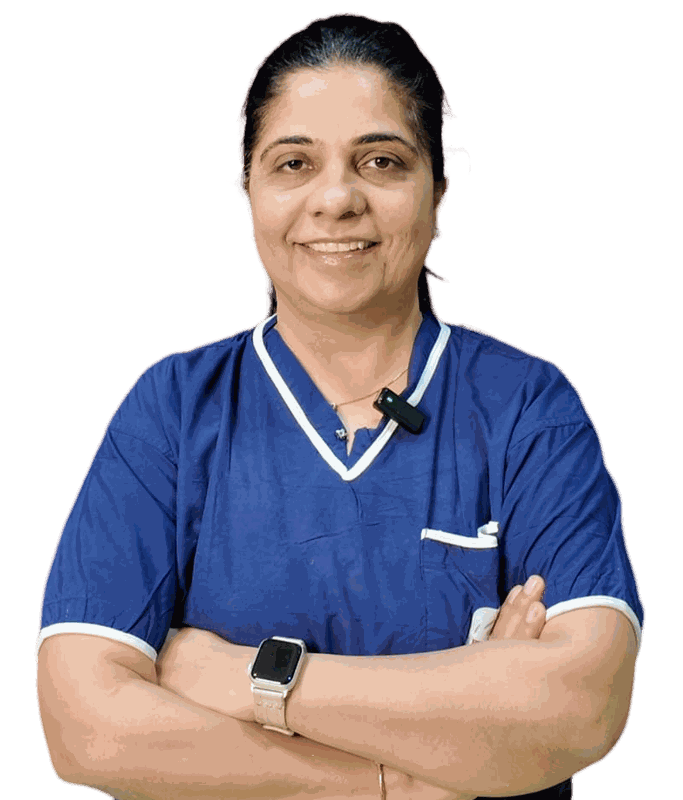
Medical Reviewer
Dr. Monica Sachdev
Dr. Monica Sachdev is a leading IVF specialist in Delhi with over 18 years of experience in reproductive medicine. She is dedicated to providing evidence-based fertility care and has helped thousands of families achieve parenthood.
Ready to Start Your Fertility Journey?
Our friendly team at Pravi IVF is here to stand by you, listen to your story, and help you through every single step.