

Considering IVF in Delhi can bring up practical questions: Do you really need it, what tests come first, and how should you prepare? Understanding the reasons for treatment and its limitations can help you discuss your options without feeling rushed into a decision.
Key Takeaways
- IVF may help with blocked fallopian tubes, certain sperm problems, or infertility that has not responded to other treatment.
- Not everyone needs IVF; medication, surgery, or IUI may be appropriate in selected situations.
- Preparation includes medical assessment, medication review, and realistic planning for appointments and costs.
- Outcomes depend on individual factors, and no clinic can guarantee a pregnancy or live birth.
- Ask about alternatives, risks, embryo transfer plans, and the full treatment estimate before consenting.
Who May Need IVF in Delhi?
IVF, or in vitro fertilisation, involves collecting eggs, fertilising them with sperm in a laboratory, and transferring an embryo into the uterus. It can bypass some barriers to conception, but it does not correct every cause of infertility.
Situations where IVF may be recommended
- Blocked or severely damaged fallopian tubes: Eggs and sperm may not be able to meet naturally.
- Significant male-factor infertility: Some sperm problems may require IVF with ICSI, depending on the assessment.
- Endometriosis: IVF may be considered based on severity, age, ovarian reserve, and previous treatment.
- Unexplained infertility: IVF may be discussed after an appropriate period of trying or unsuccessful simpler treatment.
- Age-related concerns: A specialist may advise avoiding prolonged delays when time could affect treatment options.
- Certain inherited conditions: IVF with targeted embryo genetic testing may be considered after genetic counselling.
Low ovarian reserve can affect how many eggs are obtained, but one test result does not determine whether pregnancy is possible. Your specialist should explain the findings alongside your age, medical history, and previous response to treatment.
When should you seek an assessment?
Assessment is generally advised after 12 months of trying if the person providing eggs is under 35, or after six months at age 35 or older. Above 40, or with irregular periods, known tubal problems, endometriosis, or suspected sperm concerns, seek advice sooner.
Does Everyone Need to Start With IVF?
No. Depending on the cause, treatment may begin with timed intercourse, ovulation-inducing medication, selected surgery, or intrauterine insemination (IUI), where prepared sperm is placed inside the uterus.
IUI usually requires at least one functioning fallopian tube and suitable sperm parameters. Ask what makes a simpler option reasonable for you, how long to try it, and when the plan should change.
How is ICSI different?
With conventional IVF, eggs and sperm are brought together in the laboratory; with ICSI, a single sperm is injected into an egg. ICSI treatment may be appropriate for significant sperm problems or previous fertilisation failure, but it is not automatically necessary for every IVF cycle.
What Happens During an IVF Cycle?
A typical cycle includes several stages, although the protocol and timing vary. Some people have an embryo transfer in the same cycle, while others have embryos frozen for transfer later.
- Ovarian stimulation: Hormone injections encourage multiple follicles to develop.
- Monitoring: Ultrasound scans, sometimes with blood tests, guide medication adjustments.
- Egg collection: Eggs are retrieved in a procedure, usually with sedation or anaesthesia.
- Fertilisation and embryo development: The laboratory checks fertilisation and monitors developing embryos.
- Embryo transfer: A selected embryo is placed in the uterus when appropriate.
- Pregnancy testing: Testing is scheduled by the clinic; testing too early can be misleading.
Not every follicle contains an egg, and not every egg fertilises or develops into a usable embryo. Some cycles may be cancelled or result in no embryo available for transfer.
How to Prepare Before Treatment
Bring relevant records
For your first consultation about IVF in Delhi, bring previous scans, blood tests, semen analysis reports, and details of earlier treatment. Records of pregnancies, miscarriages, pelvic surgery, and long-term health conditions can also help avoid unnecessary repetition.
Assessment may include ultrasound, ovarian reserve testing, semen analysis, and infection screening. Other tests should be based on your history rather than ordered automatically; AMH, for example, helps estimate ovarian response but does not directly measure egg quality.
Review medicines and daily habits
- Tell the specialist about all prescriptions, supplements, herbal products, and allergies.
- Discuss folic acid before pregnancy; the appropriate dose depends on your medical history.
- Avoid smoking and recreational drugs, and discuss alcohol and caffeine intake.
- Aim for balanced meals, regular moderate activity, and adequate sleep rather than restrictive fertility diets.
- Work with your doctor to manage conditions such as diabetes, thyroid disease, or high blood pressure.
Do not stop prescribed medicines or start hormone supplements without medical advice. No food, supplement, or lifestyle change can guarantee better embryos or a successful cycle.
Plan for appointments and support
Monitoring visits may need to happen at short notice, so discuss work flexibility and transport arrangements. Ask whether someone should accompany you after egg collection and what restrictions apply following sedation.
For appointments in Lajpat Nagar, allow flexibility depending on traffic. Lajpat Nagar metro station is on the Violet and Pink lines; confirm the clinic location through the contact page before travelling.
Questions to Ask Your Fertility Specialist
When comparing options for IVF in Delhi, look beyond a headline success figure. Ask how the proposed treatment fits your diagnosis and whether the clinic reports live births, pregnancies, or outcomes per embryo transfer.
- Why are you recommending IVF now, and what alternatives remain?
- What is a realistic outlook for someone with my age and medical history?
- Do I need ICSI or genetic testing, and what would it change?
- How many embryos would you recommend transferring, and why?
- What is included in the estimate, and what could cost extra?
- Are medicines, freezing, storage, and later frozen embryo transfers billed separately?
- Who should I contact if I develop symptoms after treatment?
Discuss risks and optional add-ons
IVF risks include ovarian hyperstimulation syndrome, uncommon bleeding or infection after egg collection, ectopic pregnancy, and multiple pregnancy. Transferring one embryo can reduce multiple-pregnancy risk when appropriate, but decisions should be individualised.
For any optional add-on, ask about evidence of improved live-birth outcomes in people like you. Seek urgent medical advice for severe abdominal pain, rapidly increasing swelling, breathlessness, fainting, heavy bleeding, or reduced urination during treatment.
Frequently Asked Questions
Is IVF painful?
Injections and monitoring can cause discomfort, while egg collection is usually performed with sedation or anaesthesia. Mild cramping can occur afterwards, but severe or worsening pain needs prompt assessment.
How long does IVF treatment take?
Stimulation and egg collection often take a few weeks, but assessment, additional treatment, and a later frozen transfer can extend the process. Ask for a timeline based on your proposed protocol.
Can I work during treatment?
Many people continue working, with adjustments for monitoring and procedures. Your symptoms, job demands, and sedation arrangements will influence how much time off you need.
Does IVF guarantee a baby?
No. Outcomes depend on factors including age, egg and sperm quality, embryo development, and uterine health; even a positive pregnancy test does not guarantee a live birth.
What happens if the first cycle fails?
The specialist should review the response, fertilisation, embryo development, and transfer details before suggesting next steps. Another transfer or cycle may be considered, but repeating treatment is a personal decision, not an obligation.
Discuss Your Options at Pravi Global IVF
If you are considering IVF in Delhi, a specialist consultation can clarify whether it is appropriate and what preparation you need. Explore IVF treatment in Lajpat Nagar at Pravi Global IVF, New Delhi, or book an appointment to discuss your circumstances.
For appointments and enquiries, call +91 80091 50040.
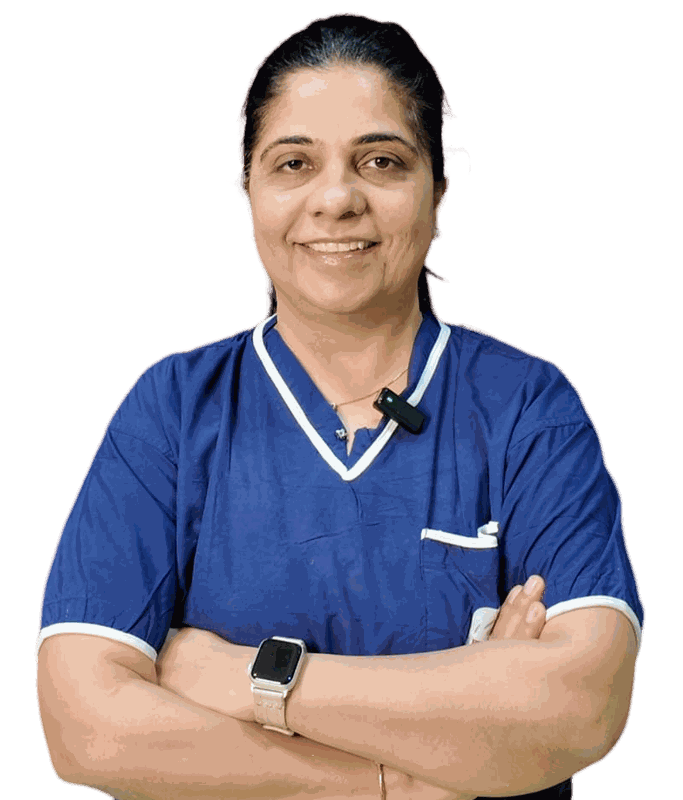
Medical Reviewer
Dr. Monica Sachdev
Dr. Monica Sachdev is a leading IVF specialist in Delhi with over 18 years of experience in reproductive medicine. She is dedicated to providing evidence-based fertility care and has helped thousands of families achieve parenthood.
Ready to Start Your Fertility Journey?
Our friendly team at Pravi IVF is here to stand by you, listen to your story, and help you through every single step.