

If your periods arrive unpredictably, you may wonder whether you are ovulating or whether pregnancy will be difficult. Irregular periods treatment in Delhi starts with understanding your cycle pattern and finding the cause—not assuming you need fertility treatment.
At Pravi Global IVF in Lajpat Nagar, New Delhi, you can discuss your symptoms and pregnancy plans. An irregular cycle is a reason to seek advice, but it does not automatically mean infertility.
Key takeaways
- Irregular periods can suggest inconsistent ovulation, but pregnancy may still happen.
- PCOS, thyroid conditions, stress and changes in energy intake are possible causes.
- If pregnancy is possible and your period is late, take a pregnancy test first.
- Treatment depends on the cause and whether you want to conceive.
- You can seek fertility advice earlier when periods are very irregular or absent.
Recognise cycle changes that deserve attention
Many adult menstrual cycles fall between 24 and 38 days, measured from the first day of one period to the first day of the next. Occasional variation can happen; repeated changes, prolonged gaps or unusual bleeding deserve assessment.
Look beyond the date on your calendar
Record bleeding days, how heavy the flow is, spotting and pain. Mention symptoms such as new facial hair, acne, nipple discharge, hot flushes or a marked weight change, because these can help guide testing.
- Repeated cycles shorter than 24 days or longer than 38 days.
- No period for around three months when you previously had regular cycles.
- Bleeding lasting longer than eight days.
- Bleeding between periods or after sex.
Know when you need urgent help
Seek urgent medical care for very heavy bleeding, fainting, breathlessness or severe pelvic pain. If pregnancy is possible, one-sided abdominal pain, shoulder-tip pain or dizziness needs prompt assessment for an ectopic pregnancy, even without a positive home test.
Understand how irregular periods affect fertility
A predictable cycle often suggests regular ovulation, although bleeding alone cannot confirm that an egg was released. With irregular cycles, ovulation may happen less often, occur unpredictably or sometimes not happen at all.
Timing can become harder—not impossible
Fewer ovulations mean fewer opportunities for conception. Calendar apps may be less reliable, so intercourse every two to three days, if comfortable for you, can reduce pressure to identify one exact fertile day.
Do not assume the cycle is the only factor
Fertility also depends on age, sperm health, fallopian tubes and other conditions. A balanced assessment may include your partner’s semen analysis rather than focusing all testing on your periods.
Identify the cause before choosing treatment
PCOS and hormone-related conditions
Polycystic ovary syndrome, or PCOS, can cause infrequent ovulation, acne and excess hair growth. Diagnosis considers your symptoms and appropriate tests; an ultrasound appearance alone does not establish PCOS.
Thyroid disorders and raised prolactin can also disrupt ovulation. Less commonly, reduced ovarian function may be involved, particularly when missed periods occur with hot flushes or vaginal dryness.
Changes in health, routine or life stage
Rapid weight change, under-eating, intensive exercise, major stress and chronic illness can affect the hormonal signals controlling ovulation. Breastfeeding, hormonal contraception and the transition towards menopause can also change bleeding patterns.
Polyps or fibroids may cause abnormal bleeding without necessarily disrupting ovulation. Tell your clinician about medicines and supplements, but do not stop prescribed treatment without advice.
Get a focused assessment for irregular periods treatment in Delhi
Your first appointment should connect your cycle history with your current goals. Whether you want pregnancy now, later or not at all changes which tests and treatments are useful.
Bring information that saves repeat visits
- Period dates and bleeding notes from recent months.
- Previous ultrasound scans and blood test reports.
- A list of medicines, supplements and contraception.
- Details of past pregnancies, miscarriages or pelvic procedures.
- How long you have been trying to conceive, if applicable.
Expect tests tailored to your symptoms
After excluding pregnancy where relevant, your clinician may recommend thyroid or prolactin testing, selected reproductive hormones and a pelvic ultrasound. Heavy bleeding may require a blood count to check for anaemia.
A progesterone blood test can help assess whether ovulation occurred, but timing should suit your cycle rather than automatically using day 21. AMH may help inform treatment planning in selected situations; it does not independently measure egg quality or predict natural conception.
Choose treatment that fits your pregnancy plans
Treatment should address the underlying cause, not simply produce a monthly bleed. Ask what each medicine is intended to achieve, how progress will be checked and when the plan should be reviewed.
If you are not trying to conceive
Depending on your diagnosis, hormonal contraception or prescribed progestogen may help control bleeding and protect the uterine lining when periods are very infrequent. These treatments do not necessarily restore ovulation or treat every underlying cause.
If you want to conceive
Treating a thyroid disorder, raised prolactin or inadequate energy intake may help restore ovulation. For anovulatory infertility associated with PCOS, letrozole is commonly a first-line ovulation-induction option when appropriate, after assessing other fertility factors.
Do not self-medicate with fertility tablets. Some treatments need ultrasound monitoring, and ovarian stimulation can carry risks, including multiple pregnancy and, particularly with injectable medicines, ovarian hyperstimulation.
When IUI, IVF or ICSI may be considered
IUI treatment may suit selected situations when at least one tube is open and sperm findings are suitable. Irregular periods alone do not automatically make IUI necessary.
IVF treatment may be discussed when other approaches have not worked or additional factors justify it. ICSI treatment is a fertilisation technique used within IVF for specific indications, often significant sperm-related problems—not a treatment for irregular cycles themselves.
| Your main concern | What to discuss |
| Missed periods | Pregnancy testing and possible ovulation problems |
| Heavy bleeding | Anaemia testing and causes of abnormal bleeding |
| Trying to conceive | Ovulation, sperm assessment and tubal testing when indicated |
Take practical steps while awaiting your appointment
- Keep a cycle record without relying solely on app predictions.
- Aim for adequate nutrition, regular sleep and sustainable exercise.
- Avoid smoking and discuss alcohol use when planning pregnancy.
- Ask about folic acid; 400 micrograms daily is commonly advised before conception, unless a higher dose is prescribed.
- Avoid unprescribed hormones and products promising to “balance” fertility hormones.
Frequently Asked Questions
Can I get pregnant with irregular periods?
Yes, if you ovulate, pregnancy is possible. Irregular cycles can make timing harder, so assessment can help identify whether ovulation is occurring and what support you need.
When should I seek fertility advice?
Usually, assessment starts after 12 months of trying if you are under 35, or six months at 35 or older. Seek advice earlier for irregular or absent periods, and promptly if you are over 40.
Does every irregular cycle mean PCOS?
No. Pregnancy, thyroid conditions, raised prolactin, stress, medicines and other factors can alter cycles. PCOS requires a considered assessment rather than a diagnosis based on irregular bleeding alone.
Will regulating my periods improve fertility?
It depends on the treatment. A medicine may create regular withdrawal bleeding without restoring ovulation. Tell your clinician you want to conceive so the plan supports that goal.
Do irregular periods always require IVF?
No. Some people conceive after treating the cause or using ovulation-induction treatment. IVF decisions depend on your age, test results, other fertility factors and response to earlier options.
Talk through your next step with Pravi Global IVF
For advice in Lajpat Nagar, New Delhi, call +91 80091 50040 or book an appointment. Bring your cycle notes and previous reports so you can discuss suitable next steps.
Check our contact page before travelling. Lajpat Nagar Metro station serves the Violet and Pink lines; allow extra time depending on traffic and your onward connection.
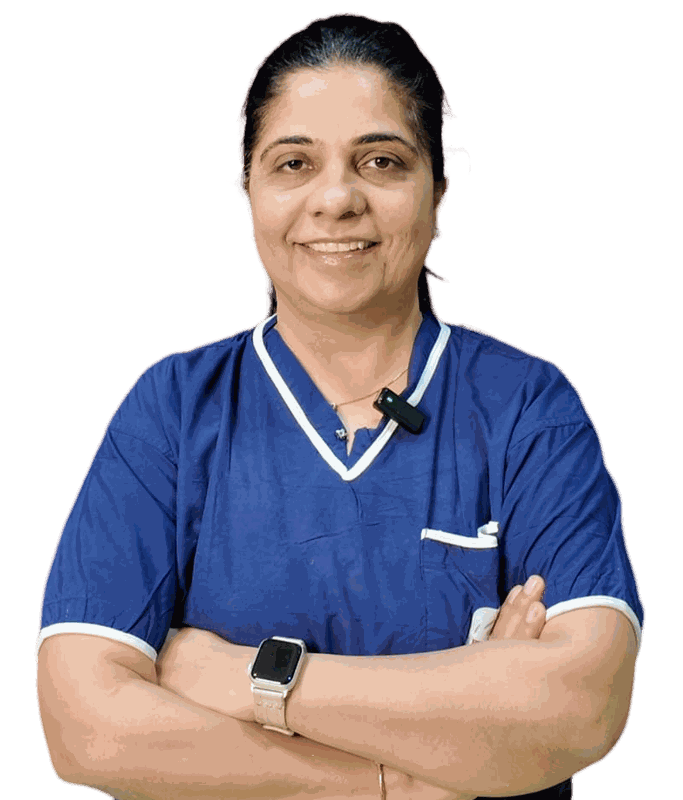
Medical Reviewer
Dr. Monica Sachdev
Dr. Monica Sachdev is a leading IVF specialist in Delhi with over 18 years of experience in reproductive medicine. She is dedicated to providing evidence-based fertility care and has helped thousands of families achieve parenthood.
Ready to Start Your Fertility Journey?
Our friendly team at Pravi IVF is here to stand by you, listen to your story, and help you through every single step.