

Understanding your uterine health is a crucial step for many women, especially those facing fertility challenges. If you're exploring options for diagnosing or treating uterine conditions, you might be considering a hysteroscopy in Delhi.
This procedure offers a direct view inside the uterus, providing invaluable insights that other imaging techniques might miss.
Key Takeaways
- Hysteroscopy provides a direct visual examination of the uterine cavity, crucial for diagnosing various conditions affecting fertility.
- It can identify and often treat issues like polyps, fibroids, adhesions, and structural abnormalities.
- Preparation involves discussing your medical history, understanding fasting requirements, and timing the procedure appropriately in your cycle.
- Recovery is generally quick with mild discomfort, allowing most women to return to normal activities swiftly.
- Always discuss the necessity, benefits, and risks of hysteroscopy with a fertility specialist to make an informed decision.
What is Hysteroscopy and Why is it Important for Fertility?
Hysteroscopy is a minimally invasive procedure that allows a doctor to look inside the uterus. A thin, lighted telescope called a hysteroscope is gently inserted through the vagina and cervix into the uterine cavity.
This visual inspection is vital because many uterine conditions can impact fertility. Problems inside the uterus can interfere with embryo implantation or lead to recurrent miscarriages.
Diagnostic Hysteroscopy
A diagnostic hysteroscopy helps identify problems. It provides a clear, magnified view of the endometrium (uterine lining) and the openings of the fallopian tubes.
This allows for precise diagnosis of conditions that might affect your ability to conceive or carry a pregnancy to term. It’s often recommended after abnormal ultrasound findings or before starting fertility treatments like IVF.
Operative Hysteroscopy
Sometimes, hysteroscopy isn't just for diagnosis; it can also be used for treatment. During an operative hysteroscopy, small instruments can be passed through the hysteroscope.
This allows the doctor to remove polyps or fibroids, excise adhesions (scar tissue), or correct minor structural issues. All of this is done without making any external incisions.
Conditions Diagnosed and Treated by Hysteroscopy
Hysteroscopy is highly effective for addressing a range of uterine concerns. These conditions can significantly impact a woman's fertility journey.
- Uterine Polyps: These are overgrowths of the endometrial lining. They can act like an IUD, preventing implantation.
- Uterine Fibroids (Submucosal): Fibroids that protrude into the uterine cavity can distort its shape and hinder embryo implantation.
- Intrauterine Adhesions (Asherman's Syndrome): Scar tissue within the uterus can cause menstrual irregularities and infertility.
- Uterine Septum: A band of tissue dividing the uterus, which can increase the risk of miscarriage.
- Abnormal Uterine Bleeding: Hysteroscopy can help identify the cause of irregular or heavy bleeding.
By resolving these issues, hysteroscopy can significantly improve the chances of successful conception and a healthy pregnancy. It's often a recommended step for those undergoing IVF treatment in Lajpat Nagar, Delhi, to optimize the uterine environment.
Preparing for Your Hysteroscopy in Delhi
Proper preparation ensures the procedure is safe and effective. Your fertility specialist will provide specific instructions tailored to your situation.
Before the Procedure
- Medical History Discussion: Inform your doctor about all medications, allergies, and pre-existing conditions.
- Fasting: You may be asked to fast for a certain number of hours before the procedure, especially if sedation or anesthesia is used.
- Timing: Hysteroscopy is usually scheduled after your period, but before ovulation (typically days 6-10 of your cycle). This provides the clearest view of the uterine lining.
- Pain Management: Discuss pain relief options. You might receive a local anesthetic, sedation, or general anesthesia depending on the complexity and your preference.
- Arranging Transport: If you receive sedation, you will need someone to drive you home.
What to Expect on the Day
Upon arrival, you'll be prepared for the procedure. The hysteroscopy itself usually takes between 15 to 45 minutes, depending on whether any operative steps are needed.
You'll lie on an examination table, similar to a pelvic exam. The hysteroscope is gently inserted, and saline or gas is used to expand the uterus slightly for better visualization.
The Hysteroscopy Procedure: A Step-by-Step Overview
Understanding the steps involved can help alleviate any anxiety you might have.
During the Hysteroscopy
- Positioning: You will be positioned with your feet in stirrups, similar to a regular gynecological exam.
- Cervical Dilation (if needed): The cervix may be gently dilated to allow passage of the hysteroscope, though often minimal dilation is required.
- Hysteroscope Insertion: The thin hysteroscope is carefully guided through the vagina and cervix into the uterus.
- Uterine Distension: A sterile fluid (like saline) or gas is slowly introduced into the uterus. This gently expands the uterine cavity, allowing the doctor to see clearly.
- Visual Examination: The doctor examines the entire uterine cavity, noting any abnormalities in the lining, the shape of the uterus, and the openings of the fallopian tubes.
- Biopsy or Operative Steps: If polyps, fibroids, or scar tissue are identified, small instruments can be inserted through the hysteroscope to remove them or take a tissue sample (biopsy).
- Removal: Once the examination or procedure is complete, the fluid/gas is drained, and the hysteroscope is carefully removed.
This procedure is typically well-tolerated. Your doctor will explain findings and any actions taken immediately afterward.
Recovery and Post-Procedure Care
Recovery from hysteroscopy is generally quick, but it's important to follow your doctor's post-procedure instructions.
Immediate Recovery
- You might experience mild cramping or discomfort similar to menstrual pain. Over-the-counter pain relievers can help.
- Some light spotting or bleeding is normal for a few days after the procedure.
- If you had sedation, you'll need time to recover before going home.
- Avoid strenuous activities for 24-48 hours.
Longer-Term Care
Your doctor will advise you on when it's safe to resume sexual activity. This is usually after any bleeding has stopped and discomfort has subsided, typically within a few days to a week.
If you underwent an operative hysteroscopy, your doctor might prescribe antibiotics to prevent infection. They will also schedule a follow-up appointment to discuss biopsy results and further treatment plans, which could include options like ICSI treatment in Lajpat Nagar, Delhi or IUI treatment in Lajpat Nagar, Delhi.
Comparing Hysteroscopy with Other Uterine Assessments
While hysteroscopy offers unique advantages, it's often part of a broader diagnostic process. Here's how it compares to other common methods:
| Feature | Hysteroscopy | Transvaginal Ultrasound | Saline Infusion Sonography (SIS) |
|---|---|---|---|
| Visualization | Direct visual inside uterus | Indirect view via sound waves | Indirect view, enhanced by saline |
| Diagnosis of Polyps/Fibroids | Excellent, definitive | Good, may miss small ones | Very Good, better than standard US |
| Diagnosis of Adhesions/Septum | Excellent, definitive | Limited | Good |
| Ability to Treat | Yes (operative hysteroscopy) | No | No |
| Invasiveness | Minimally invasive | Non-invasive | Minimally invasive |
| Anesthesia Needed | Sometimes (local/sedation) | No | No |
Hysteroscopy provides the most definitive diagnosis and the unique ability to treat issues simultaneously. It often complements other imaging studies by confirming findings and allowing for intervention.
Choosing the Right Clinic for Hysteroscopy in Delhi
When considering a hysteroscopy in Delhi, selecting an experienced fertility clinic is paramount. Look for a clinic with a team of skilled gynecologists and fertility specialists who have extensive experience with hysteroscopic procedures.
A well-equipped facility with modern surgical infrastructure ensures safety and efficiency. Most importantly, choose a clinic that offers compassionate care and clear communication, guiding you through every step of your fertility journey.
Pravi Global IVF is dedicated to providing comprehensive care, utilizing advanced techniques to support your reproductive health. We believe in empowering our patients with knowledge and personalized treatment plans.
Frequently Asked Questions
What are the risks associated with hysteroscopy?
Hysteroscopy is generally very safe. Potential risks are rare and include infection, excessive bleeding, uterine perforation, or adverse reaction to anesthesia. Your doctor will discuss all potential risks before the procedure.
Will I feel pain during hysteroscopy?
While some women experience mild cramping or discomfort, the procedure is often well-tolerated. Pain management options, from local anesthetic to sedation, are available to ensure your comfort. Discuss your concerns with your doctor.
How long does it take to recover from hysteroscopy?
Most women recover quickly from hysteroscopy, often resuming light activities within a day or two. You might experience light spotting and mild cramping for a few days. Full recovery, including resuming strenuous activities, is usually within a week.
When can I try to conceive after hysteroscopy?
The timing for trying to conceive after hysteroscopy depends on what was done during the procedure. If it was purely diagnostic, you might be able to try in the next cycle. If operative procedures were performed (e.g., polyp removal), your doctor might recommend waiting a cycle or two to allow the uterus to heal. Always follow your doctor's specific advice.
Is hysteroscopy necessary before IVF?
Hysteroscopy is not always necessary before IVF, but it is often recommended, especially if there are abnormal findings on ultrasound, a history of recurrent implantation failure, or recurrent miscarriages. It helps ensure the uterine cavity is optimal for embryo implantation, increasing the chances of IVF success. Discuss with your fertility specialist if it's right for you. For more information or to discuss your options, please book an appointment or contact us.
To learn more about hysteroscopy in Delhi or to schedule a consultation, please call us at +91 80091 50040. We are here to support you.
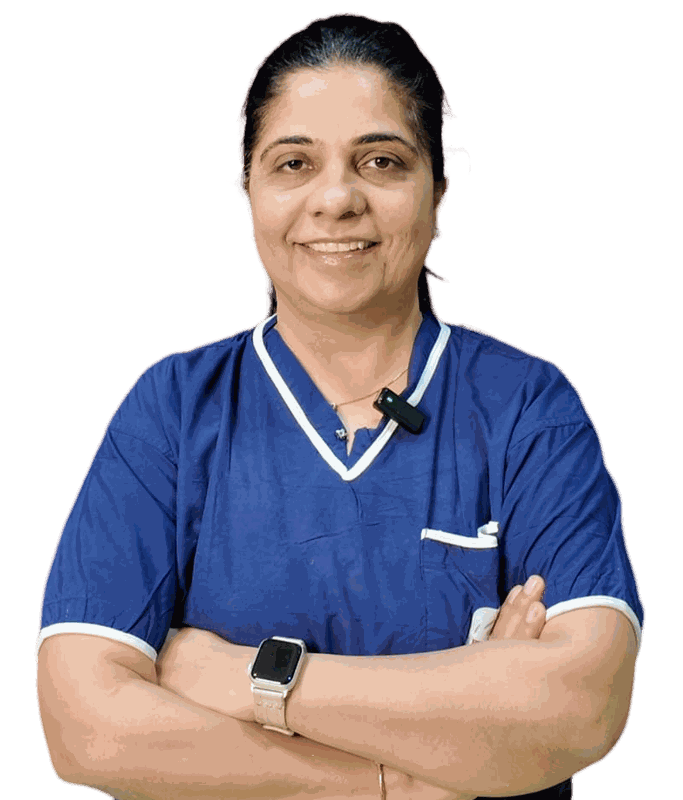
Medical Reviewer
Dr. Monica Sachdev
Dr. Monica Sachdev is a leading IVF specialist in Delhi with over 18 years of experience in reproductive medicine. She is dedicated to providing evidence-based fertility care and has helped thousands of families achieve parenthood.
Ready to Start Your Fertility Journey?
Our friendly team at Pravi IVF is here to stand by you, listen to your story, and help you through every single step.