
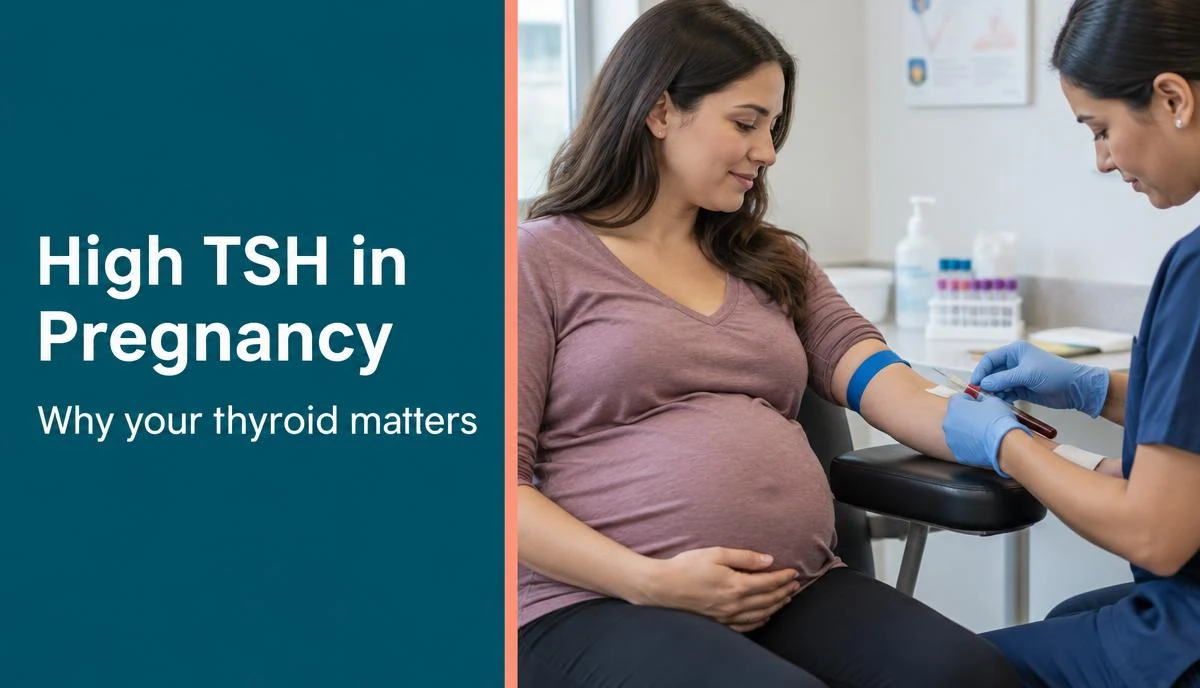
During pregnancy, a woman's body undergoes rapid hormonal and metabolic changes to support the developing baby. One of the most critical glands during this time is the thyroid. If your routine prenatal blood work shows elevated Thyroid-Stimulating Hormone (TSH) levels, it indicates that your thyroid gland is underactive.
Having high TSH in pregnancy requires prompt medical attention. Understanding what causes high TSH, the potential risks to your pregnancy, and how doctors safely treat the condition can help ensure a healthy gestation and delivery.
What Is TSH and Why Does It Rise?
TSH is produced by the brain to signal the thyroid gland to release hormones. If your thyroid is underactive, your brain releases more TSH to stimulate it. During pregnancy, the demand for thyroid hormones increases by 50%, which can cause a borderline underactive thyroid to struggle, leading to elevated TSH.
Optimal TSH Levels During Pregnancy
According to the American Thyroid Association (ATA), pregnancy TSH targets are much stricter:
- First Trimester: Below **2.5 mIU/L**.
- Second & Third Trimester: Below **3.0 mIU/L**.
Supportive Prenatal & Hormonal Care
Routine screening and early thyroid management are essential parts of high-risk pregnancy care. If you are pregnant or planning a pregnancy and want to check your thyroid health, you can schedule a prenatal consultation at Pravi Global IVF.
Risks of High TSH in Pregnancy
Because the baby relies on maternal thyroid hormones during the first trimester, untreated high TSH carries risks:
- Increased Risk of Miscarriage: Low thyroid hormones affect early placental development and implantation.
- Preterm Delivery: Untreated hypothyroidism increases the likelihood of premature labor.
- Preeclampsia: Elevated TSH is linked to high blood pressure during pregnancy.
Safe Treatment Options
Treating high TSH during pregnancy is highly effective and safe. The standard treatment is a daily oral synthetic hormone called Levothyroxine (identical to the T4 hormone your body naturally makes). Your doctor will check TSH every 4 to 6 weeks to adjust your dose. Women already on thyroid medication typically require a **30% to 50% dosage increase** as soon as pregnancy is confirmed.
Frequently Asked Questions
1. Is thyroid medication safe for my developing baby?
Yes. Levothyroxine is identical to natural thyroxine. It does not harm the baby; rather, it provides the essential hormones the baby needs for brain development.
2. What are the symptoms of high TSH in pregnancy?
Symptoms can include extreme fatigue, feeling cold, dry skin, muscle cramps, and constipation, which often overlap with normal early pregnancy signs.
Conclusion
Having high TSH in pregnancy is a common and manageable concern. By identifying elevated levels early through routine prenatal blood tests and starting safe hormone replacement therapy, you can protect your pregnancy and support your baby's healthy development.
Our maternal care team is here to guide you with comprehensive hormonal screening and management. Contact Pravi Global IVF today to schedule your evaluation.
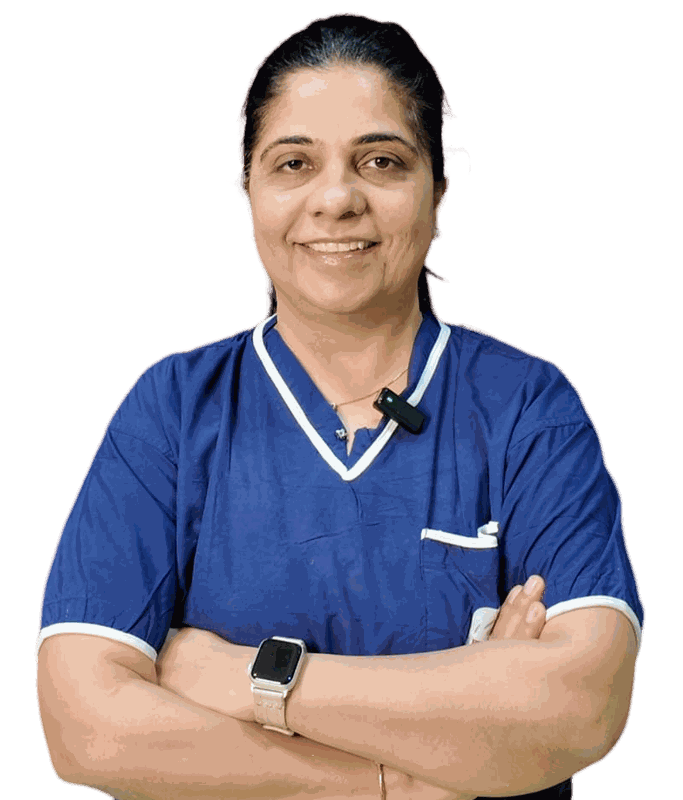
Medical Reviewer
Dr. Monica Sachdev
Dr. Monica Sachdev is a leading IVF specialist in Delhi with over 18 years of experience in reproductive medicine. She is dedicated to providing evidence-based fertility care and has helped thousands of families achieve parenthood.
Ready to Start Your Fertility Journey?
Our friendly team at Pravi IVF is here to stand by you, listen to your story, and help you through every single step.