
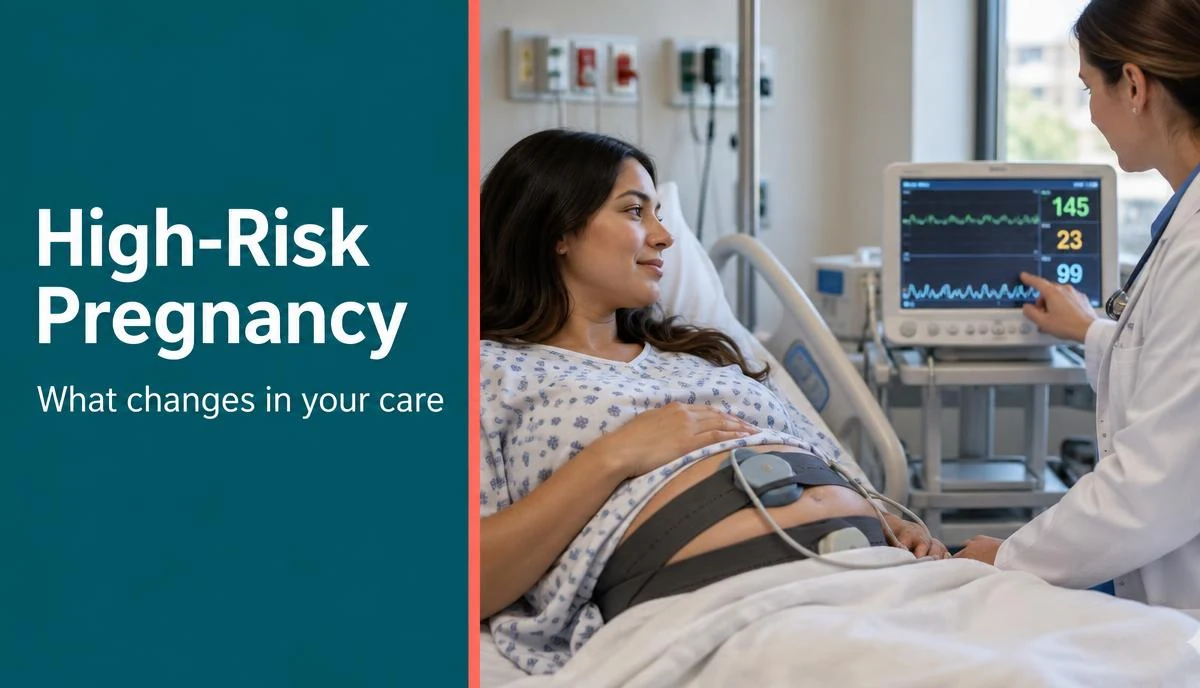
Pregnancy is a unique journey for every woman. While most pregnancies progress naturally with routine prenatal checkups, some require extra medical attention and specialized monitoring. These are classified as high-risk pregnancies.
Understanding the differences between a high risk pregnancy vs normal pregnancy can help remove the fear associated with the term "high-risk." With early diagnostics and advanced prenatal care, women facing high-risk pregnancies go on to have healthy deliveries and healthy babies.
What Is a Normal Pregnancy?
A normal (or low-risk) pregnancy is one that progresses without major medical complications. Prenatal care involves monthly visits during the first two trimesters, increasing in frequency in the third trimester. Standard checkups include blood pressure monitoring, urine tests, tracking weight gain, and routine ultrasounds.
What Defines a High-Risk Pregnancy?
A pregnancy is classified as high-risk if there are factors that increase the likelihood of complications. This classification is a protective measure: it means your medical team will monitor you more frequently and use specialized tests to detect and manage potential issues before they become serious.
Common Causes of a High-Risk Pregnancy
1. Maternal Age
Women who are pregnant after age 35 (Advanced Maternal Age) have a higher risk of gestational diabetes, high blood pressure, and chromosomal abnormalities. Teen pregnancies also carry a higher risk of premature birth.
2. Pre-Existing Medical Conditions
Conditions like chronic high blood pressure, diabetes, thyroid disorders, or autoimmune diseases like Lupus or Antiphospholipid Syndrome (APS) make a pregnancy high-risk. Learn more in our guide to Antiphospholipid Syndrome pregnancy.
3. Pregnancy-Specific Complications
Issues that develop during the course of pregnancy, such as preeclampsia (high blood pressure after 20 weeks), gestational diabetes, or placenta previa.
4. Multiple Pregnancies
Carrying twins, triplets, or more naturally increases the risk of premature labor, low birth weight, and preeclampsia.
Specialized Prenatal & High-Risk Care
Managing a high-risk pregnancy requires close collaboration with experienced obstetricians and specialists. If you need specialized care, you can book a prenatal consultation at Pravi Global IVF.
Key Differences in Prenatal Care
- Frequency of Visits: High-risk pregnancies require more frequent visits, often every two weeks or weekly.
- Specialized Testing: You may undergo fetal echocardiograms, biophysical profiles, and regular Doppler blood flow studies.
- Collaborative Medical Team: Your care may involve maternal-fetal medicine (MFM) specialists, endocrinologists, or other specialists.
- Delivery Planning: High-risk pregnancies are delivered in hospitals with fully equipped NICUs to ensure immediate care is available for the baby.
Frequently Asked Questions
1. Does a high-risk pregnancy mean my baby will have health issues?
No. A high-risk classification simply means you need closer monitoring. The vast majority of women with high-risk pregnancies deliver healthy babies because potential complications are managed early.
2. Can a high-risk pregnancy become a normal pregnancy?
Yes, if the high-risk status was assigned due to early gestational diabetes or bleeding, and these conditions are successfully resolved, your doctor may transition you back to standard monitoring.
3. What are the warning signs of complications in a high-risk pregnancy?
Contact your doctor immediately if you experience vaginal bleeding, severe headaches, sudden swelling in your hands or face, a decrease in baby's movements, or severe abdominal pain.
Conclusion
Understanding the differences in a high risk pregnancy vs normal pregnancy can help you approach your prenatal care with confidence rather than anxiety. Extra monitoring, specialized scans, and frequent checkups are designed to protect you and your baby, ensuring a safe delivery.
Our maternal care team is dedicated to providing comprehensive monitoring and support throughout your pregnancy. Contact Pravi Global IVF today to schedule your prenatal evaluation.
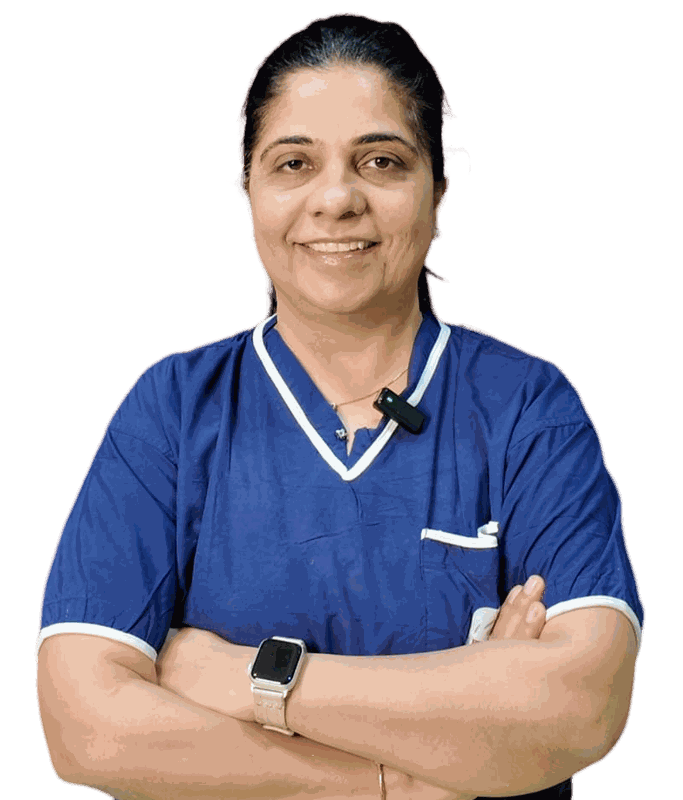
Medical Reviewer
Dr. Monica Sachdev
Dr. Monica Sachdev is a leading IVF specialist in Delhi with over 18 years of experience in reproductive medicine. She is dedicated to providing evidence-based fertility care and has helped thousands of families achieve parenthood.
Ready to Start Your Fertility Journey?
Our friendly team at Pravi IVF is here to stand by you, listen to your story, and help you through every single step.