

Being diagnosed with gestational diabetes during pregnancy can feel overwhelming. It is common to feel worried about how it might affect your baby's health or how you will manage your daily meals. Fortunately, in most cases, gestational diabetes can be managed successfully through changes in your diet and lifestyle.
A structured gestational diabetes diet plan helps stabilize your blood sugar levels while ensuring that both you and your baby receive the essential nutrients needed for a healthy pregnancy. Understanding which foods support blood sugar balance and how to structure your meals can help you navigate this diagnosis with confidence.
What Is Gestational Diabetes?
Gestational diabetes is a type of diabetes that develops during pregnancy in women who did not previously have diabetes.
During pregnancy, the placenta produces high levels of hormones that help the baby grow. However, these hormones can block the action of insulin in your body, leading to insulin resistance. If your pancreas cannot produce enough extra insulin to overcome this resistance, glucose (sugar) builds up in your bloodstream, leading to elevated blood sugar levels.
Why Diet Matters in Gestational Diabetes
Every time you eat, your digestive system breaks down food into glucose, which enters your bloodstream. Insulin then helps cells absorb this glucose for energy.
When you have gestational diabetes, eating too many carbohydrates—especially simple, refined carbs—causes blood sugar spikes because your body cannot process the glucose quickly enough. The goal of a gestational diabetes diet plan is not to eliminate carbohydrates, but to choose the right types of carbs and balance them with protein and healthy fats to slow down glucose absorption.
Maternal Nutrition Support
Developing a personalized meal plan is a key part of gestational diabetes care. If you need expert nutritional guidance during your pregnancy journey, you can book a consultation with the clinical care team at Pravi Global IVF.
Gestational Diabetes Diet: Foods to Eat (The Green List)
Focus on nutrient-dense foods that release energy slowly into your bloodstream.
1. Complex Carbohydrates
Unlike refined grains, complex carbohydrates are packed with fiber, which slows digestion and prevents sudden blood sugar spikes.
What to eat: Whole grains like oats, brown rice, quinoa, whole-wheat bread, finger millet (ragi), and broken wheat (dalia).
2. Lean Proteins
Protein is crucial for your baby’s development and is highly effective at stabilizing blood sugar. Protein does not raise blood sugar and helps you feel full longer.
What to eat: Eggs, chicken breast, fish (like salmon), tofu, paneer, lentils (dals), chickpeas, and low-fat Greek yogurt.
3. Healthy Fats
Monounsaturated and polyunsaturated fats support your baby's brain development and help slow the digestion of carbohydrates.
What to eat: Avocados, olive oil, walnuts, almonds, chia seeds, and flaxseeds.
4. Non-Starchy Vegetables
These vegetables are extremely low in carbohydrates and high in fiber. You can eat large portions without blood sugar spikes.
What to eat: Spinach, broccoli, cauliflower, cabbage, cucumbers, bell peppers, tomatoes, and green beans.
Gestational Diabetes Diet: Foods to Avoid (The Red List)
To keep your blood sugar in a safe range, you should limit or avoid foods that contain refined sugars and processed flours.
- Simple Sugars and Refined Flour: White bread, white rice, regular pasta, cakes, cookies, pastries, and sweets like gulab jamun or jalebi.
- Sugary Drinks: Packaged fruit juices, sodas, sweetened teas, specialty coffee drinks, and energy drinks.
- Starchy Vegetables in Large Portions: Potatoes, sweet potatoes, corn, and peas should only be eaten in small, controlled portions.
Smart Meal Planning Tips for Gestational Diabetes
Managing your blood sugar is not just about what you eat, but also how and when you eat.
- Space Out Your Meals: Eating three small-to-moderate meals and two to three snacks daily keeps your blood sugar stable.
- Pair Carbs with Protein or Fat: Never eat a carbohydrate by itself. Always pair it with a protein or a healthy fat (like peanut butter, almonds, or a boiled egg).
- The Plate Method: Fill half of the plate with non-starchy vegetables, one-quarter with lean protein, and one-quarter with complex carbohydrates.
- Walk After Meals: A gentle 10 to 15-minute walk after your main meals helps your muscles use glucose for energy, which naturally lowers blood sugar.
Frequently Asked Questions
1. Can I eat fruit if I have gestational diabetes?
Yes, you can eat fruit, but choose fruits with a low glycemic index, such as apples, pears, berries, and peaches. Keep portions small and pair them with a handful of nuts.
2. Why is my fasting blood sugar high even when I eat well?
Fasting blood sugar is driven by pregnancy hormones acting on your liver overnight. Eating a high-protein bedtime snack can help, but if fasting levels remain high, your doctor may recommend medication or insulin.
3. Will gestational diabetes go away after delivery?
Yes, in the vast majority of cases, gestational diabetes resolves immediately after the placenta is delivered. Regular testing after pregnancy is still recommended.
4. Can I manage gestational diabetes without insulin?
Yes. Many women are able to manage gestational diabetes successfully through diet, portion control, and regular light exercise alone.
5. Does gestational diabetes affect the baby?
If managed properly, your baby will grow normally and be born healthy. Unmanaged high blood sugar can cause the baby to grow too large.
Conclusion
Managing gestational diabetes is about balance, consistency, and making mindful food choices. By focusing on complex carbohydrates, lean proteins, and healthy fats, you can keep your blood sugar in a safe range while supporting your baby's development.
If you have questions about pregnancy nutrition or gestational diabetes monitoring, our medical team is here to support you. Contact Pravi Global IVF today to schedule a consultation with our prenatal care team.
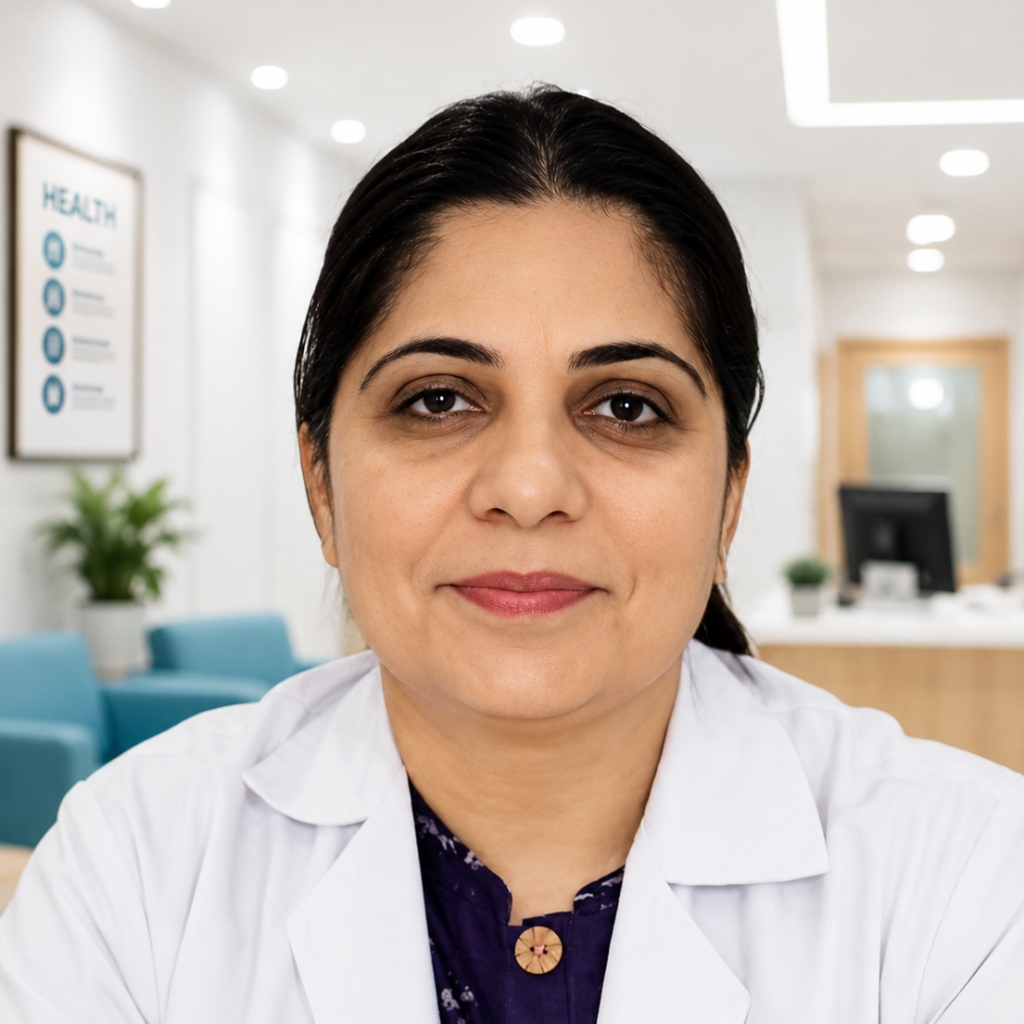
Medical Reviewer
Dr. Monica Sachdev
Dr. Monica Sachdev is a leading IVF specialist in Delhi with over 18 years of experience in reproductive medicine. She is dedicated to providing evidence-based fertility care and has helped thousands of families achieve parenthood.
Ready to Start Your Fertility Journey?
Our friendly team at Pravi IVF is here to stand by you, listen to your story, and help you through every single step.