

Key Takeaways
- Surgery is not routinely needed before IVF simply because someone has endometriosis.
- Pain, ovarian reserve, scan findings and egg retrieval access can influence the recommendation.
- Removing an ovarian endometrioma may reduce ovarian reserve, especially after repeat surgery.
- No verified patient case was supplied for this article; the discussion below is educational, not a real patient story.
The title Endometriosis Surgery Before IVF: One Patient's Decision raises a question many people face: should I have an operation first, or move straight to fertility treatment? There is no single answer that suits every person with endometriosis.
Patient-story note: A genuine account needs verified clinical details and the patient's permission to publish. Without those, it would be misleading to invent symptoms, conversations, treatment choices or a pregnancy outcome.
Why This Decision Can Feel Difficult
Endometriosis is a condition in which tissue similar to the lining of the uterus grows outside it. It may cause inflammation, pelvic pain, ovarian cysts called endometriomas, and scar tissue that changes pelvic anatomy.
For someone hoping to conceive, surgery can sound like a way to remove the problem before starting IVF. However, an operation does not necessarily improve IVF outcomes, and operating on the ovaries can affect the remaining egg supply.
The decision therefore involves more than whether endometriosis is present. It also involves symptoms, age, previous treatment, reproductive goals and the likely consequences of delaying fertility care.
Endometriosis Surgery Before IVF: One Patient's Decision
A responsible account of one person's choice would explain what made that choice appropriate for them. It should not suggest that another patient with the same diagnosis needs the same operation.
Before a real case can be presented, the following details need to be confirmed and shared only with appropriate consent:
- The patient's age range, symptoms and duration of infertility.
- Ultrasound findings, including whether one or both ovaries had endometriomas.
- Ovarian reserve results and any previous ovarian surgery.
- The options discussed, including proceeding without surgery.
- The patient's priorities and the documented reason for the final decision.
- The treatment outcome, if known and approved for publication.
Until those details are available, the useful question is not what an unnamed patient supposedly chose. It is which findings would make surgery more or less reasonable in an individual consultation.
When Surgery May Be Worth Discussing
Surgery may be considered when pain substantially affects everyday life or when imaging shows features that need further assessment. It can also be discussed if an endometrioma makes safe access to follicles during egg retrieval difficult.
Deep endometriosis affecting the bowel, bladder or ureters may require specialist assessment. In these situations, protecting organ function and managing symptoms can matter independently of fertility treatment.
For ovarian endometriomas, routine surgery solely to improve live birth chances before assisted reproduction is generally not recommended. Evidence does not establish that routine removal improves this outcome, and surgery can reduce ovarian reserve.
Reasons That Deserve an Individual Review
- Persistent or severe pain despite appropriate management.
- Unusual or concerning features on ultrasound or other imaging.
- Potential difficulty reaching follicles safely for egg collection.
- Symptoms or findings suggesting bowel or urinary tract involvement.
- A patient's informed preference after discussing benefits and risks.
Cyst size can contribute to the assessment, but size alone should not determine the plan. Location, appearance, symptoms and the condition of both ovaries also matter.
Why Ovarian Reserve Matters
Ovarian reserve describes the remaining egg supply. Anti-Müllerian hormone, or AMH, and antral follicle count, or AFC, help estimate how the ovaries may respond to stimulation, but they do not directly measure egg quality or guarantee pregnancy.
Endometriomas themselves may be associated with reduced reserve. Surgery can cause a further reduction if healthy ovarian tissue is removed or damaged while treating the cyst.
This concern is particularly important when both ovaries are affected, reserve is already low, or surgery would be repeated. Age also matters because egg quality generally declines with increasing age.
For some patients, discussing egg or embryo freezing before surgery may be reasonable. This is not automatically necessary or suitable, and its usefulness depends on clinical circumstances and personal goals.
Comparing the Main Options
The table below outlines discussion points rather than treatment recommendations. A fertility specialist and, where needed, an endometriosis surgeon should review the findings together.
| Option | Why it may be considered | Main limitation |
|---|---|---|
| Proceed to IVF without surgery | Avoids operative delay and potential surgery-related loss of ovarian reserve. | Pain or difficult ovarian access may still need attention. |
| Have surgery first | May address significant pain, concerning findings or access problems. | Recovery takes time, and ovarian surgery may reduce reserve. |
| Consider egg or embryo freezing first | May preserve reproductive options before selected ovarian procedures. | Requires stimulation and retrieval and does not guarantee a future baby. |
| Seek coordinated specialist review | Useful for complex disease or conflicting recommendations. | Further assessment may be needed before choosing a sequence. |
How IVF, ICSI and IUI Fit In
IVF treatment in Lajpat Nagar, Delhi involves stimulating the ovaries, collecting eggs and fertilising them in a laboratory. It bypasses the fallopian tubes but does not cure endometriosis or necessarily resolve pain.
ICSI involves injecting a single sperm into an egg and may be advised for sperm-related problems or particular fertilisation concerns. Endometriosis alone does not mean that ICSI is required.
For selected patients with milder disease, suitable ovarian reserve and at least one open tube, IUI treatment may be discussed. Age, semen results and how long conception has been attempted influence whether it is worth considering.
Questions to Take to Your Appointment
Bring previous scans, operative reports and fertility test results if available. These can help the team avoid making a recommendation based only on the label of endometriosis.
- What specific problem would surgery solve in my case?
- Is the goal pain relief, safer egg retrieval or assessment of concerning findings?
- How might surgery affect my ovarian reserve?
- Can egg collection be performed safely without removing the cyst?
- Would freezing eggs or embryos beforehand be worth discussing?
- What delay, recovery needs and alternatives should I expect?
If you are considering care at Pravi Global IVF in Lajpat Nagar, New Delhi, contact the clinic to ask what records to bring. Also ask how surgical opinions and fertility planning can be coordinated if needed.
Frequently Asked Questions
Does everyone with endometriosis need surgery before IVF?
No. Many patients can proceed without surgery, depending on symptoms, scans and egg retrieval access. Routine endometrioma removal solely to improve IVF live birth rates is generally not recommended.
Can endometrioma surgery reduce AMH?
Yes, AMH may fall after ovarian endometrioma surgery. The risk deserves particular attention with bilateral cysts or repeat procedures, although an AMH result alone cannot predict an individual's pregnancy outcome.
How long should I wait after surgery before IVF?
There is no universal waiting period. Timing depends on the procedure, recovery, complications if any, ovarian reserve and the agreed treatment plan.
Can IVF succeed when an endometrioma is still present?
Yes, pregnancy is possible without removing an endometrioma first. Your clinician should assess its appearance, symptoms and whether egg collection can be performed safely.
Is this a verified patient story?
No. Endometriosis surgery before ivf: one patient's decision is the requested topic, but no consented case details were provided. This article explains the decision without inventing a patient or outcome.
Discuss your options with Pravi Global IVF in Lajpat Nagar, New Delhi. Call +91 80091 50040 or book an appointment for an individual assessment.
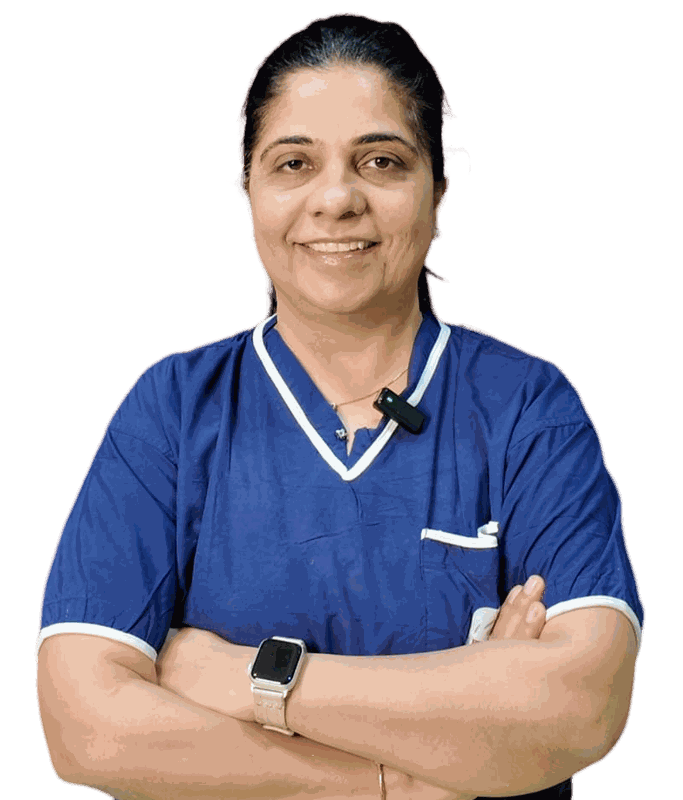
Medical Reviewer
Dr. Monica Sachdev
Dr. Monica Sachdev is a leading IVF specialist in Delhi with over 18 years of experience in reproductive medicine. She is dedicated to providing evidence-based fertility care and has helped thousands of families achieve parenthood.
Ready to Start Your Fertility Journey?
Our friendly team at Pravi IVF is here to stand by you, listen to your story, and help you through every single step.