

For IVF patients preparing for an embryo transfer, achieving a receptive uterine lining is a primary goal. When high-quality embryos fail to implant in past transfers, specialists explore supportive procedures to stimulate the lining's natural attachment pathways. One such procedure is endometrial scratching, also known as endometrial injury.
While the term sounds concerning, it is a minor, safe outpatient procedure. Understanding what endometrial scratching in IVF is, the biological mechanism behind it, and who stands to benefit can help you plan your upcoming transfer.
What Is Endometrial Scratching and How Does It Work?
Typically performed in the luteal phase of the cycle *before* the transfer cycle (around Day 21). The doctor inserts a thin Pipelle catheter through the cervix and creates a minor scratch. Sensation is similar to moderate menstrual cramps. The scratch triggers a localized healing response:
- Inflammatory Cytokines: Releases growth factors and cytokines essential for embryo attachment.
- Gene Synchronization: Synchronizes receptivity genes. Learn more in our ERA test guide.
- Shedding: Promotes healthy lining regrowth in the subsequent cycle.
Optimize Your Transfer Window
Investigating supportive lining treatments is a key part of resolving recurrent failed transfers. If you want to check your uterine receptivity, you can schedule a private consultation at Pravi Global IVF.
Clinical Success Rates
While scratching does not show benefits for standard first-cycle IVF transfers, studies show that for patients with **Recurrent Implantation Failure (2 or more failed transfers)**, it can improve success rates by **10% to 15%**.
Conclusion
While endometrial scratching in IVF is not necessary for every patient, it is a valuable, low-cost, and safe tool for couples experiencing unexplained implantation failures. By triggering the body's natural tissue repair response, it prepares a receptive environment.
Our clinical team offers advanced uterine monitoring and personalized lining preparation. Contact Pravi Global IVF today to schedule your evaluation.
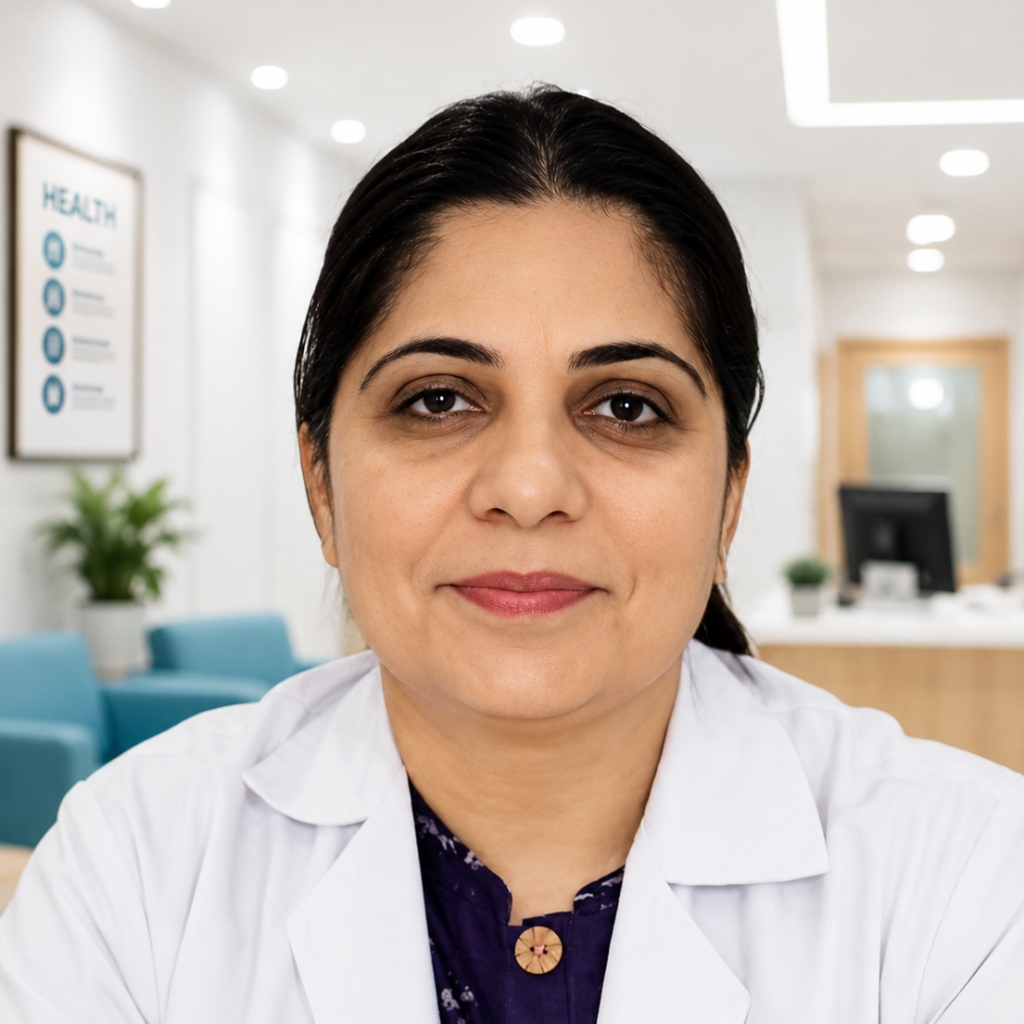
Medical Reviewer
Dr. Monica Sachdev
Dr. Monica Sachdev is a leading IVF specialist in Delhi with over 18 years of experience in reproductive medicine. She is dedicated to providing evidence-based fertility care and has helped thousands of families achieve parenthood.
Ready to Start Your Fertility Journey?
Our friendly team at Pravi IVF is here to stand by you, listen to your story, and help you through every single step.