
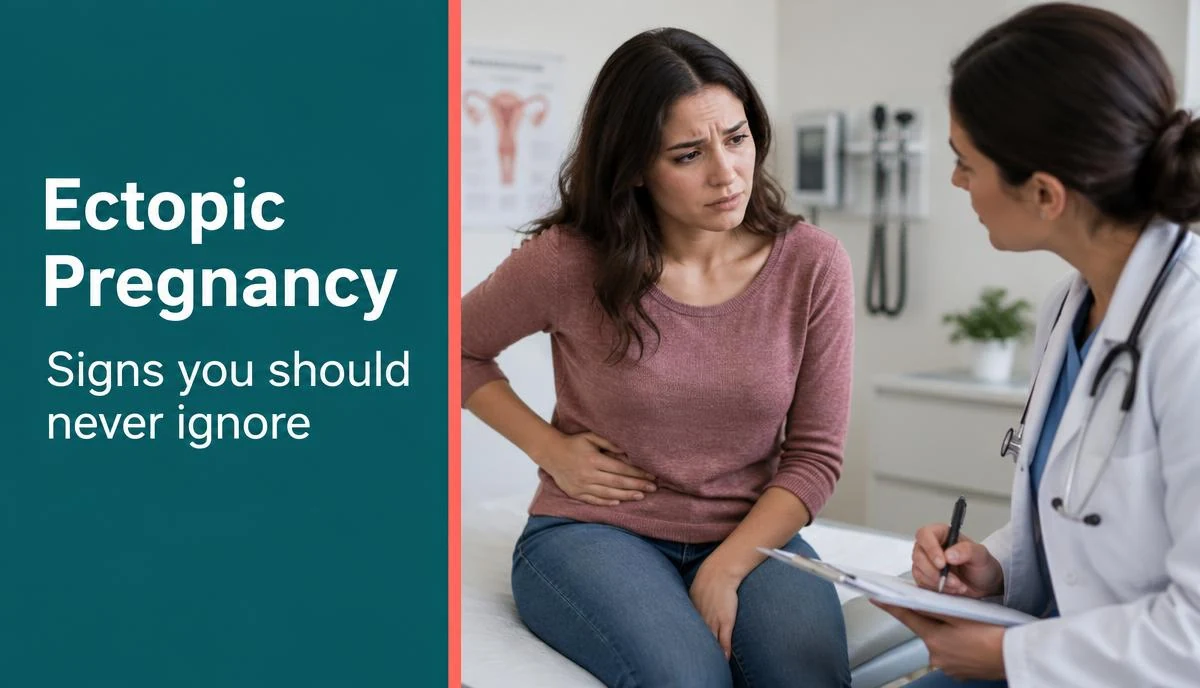
A positive pregnancy test is usually a moment of joy. However, in about 1% to 2% of pregnancies, a complication occurs where the fertilized egg implants outside the main cavity of the uterus. This is known as an ectopic pregnancy.
An ectopic pregnancy is a medical emergency that requires prompt diagnosis and intervention. Understanding the ectopic pregnancy signs causes, and treatment options is essential to protect a woman's health and preserve her future fertility.
What Is an Ectopic Pregnancy?
In an ectopic pregnancy, the fertilized egg implants outside the uterine cavity—most commonly (over 90%) in a fallopian tube (tubal pregnancy). Because the tube cannot support a growing embryo, the pregnancy cannot survive and can lead to life-threatening bleeding if left untreated.
Early Signs and Symptoms
Warning signs typically appear between the 4th and 12th week of pregnancy:
- One-Sided Pelvic Pain: Sharp, stabbing, or persistent pain on one side of the lower abdomen.
- Abnormal Vaginal Bleeding: Spotting or bleeding different from a regular period.
- Shoulder Tip Pain: Pain where your shoulder meets your arm, caused by internal bleeding irritating the diaphragm.
- Dizziness or Fainting: Caused by blood loss and dropping blood pressure.
Emergency Warning: Rupturing
If the fallopian tube ruptures, it causes sudden, severe pain and heavy internal bleeding. This is a life-threatening emergency. Seek immediate emergency medical care.
Common Causes and Risk Factors
Ectopic pregnancy occurs when the egg is delayed in the fallopian tube due to:
- A previous ectopic pregnancy (increases risk to 10%).
- Pelvic Inflammatory Disease (PID) or STIs causing tubal scarring.
- Prior fallopian tube surgeries.
- Smoking, which slows down the tubal cilia movements.
Treatment Options
- Methotrexate: If caught early and unruptured, this medication stops cell growth, allowing the body to absorb the pregnancy tissue.
- Laparoscopic Surgery: If advanced or ruptured, surgery (laparoscopy) is performed to remove the pregnancy, either preserving the fallopian tube (salpingostomy) or removing it (salpingectomy).
Frequently Asked Questions
1. Can a baby survive an ectopic pregnancy?
No. An embryo cannot survive outside the uterus, and leaving it untreated is life-threatening for the mother.
2. How long should I wait to try again after treatment?
If treated with Methotrexate, you must wait at least 3 months as the medication can affect egg health. After surgery, waiting 2 to 3 cycles is recommended.
Conclusion
An ectopic pregnancy is a challenging experience, but understanding the ectopic pregnancy signs causes ensures that you can seek medical care early, preventing complications and protecting your fertility.
Our medical team provides rapid diagnostics and compassionate care for pelvic health. Contact Pravi Global IVF today to schedule an evaluation.
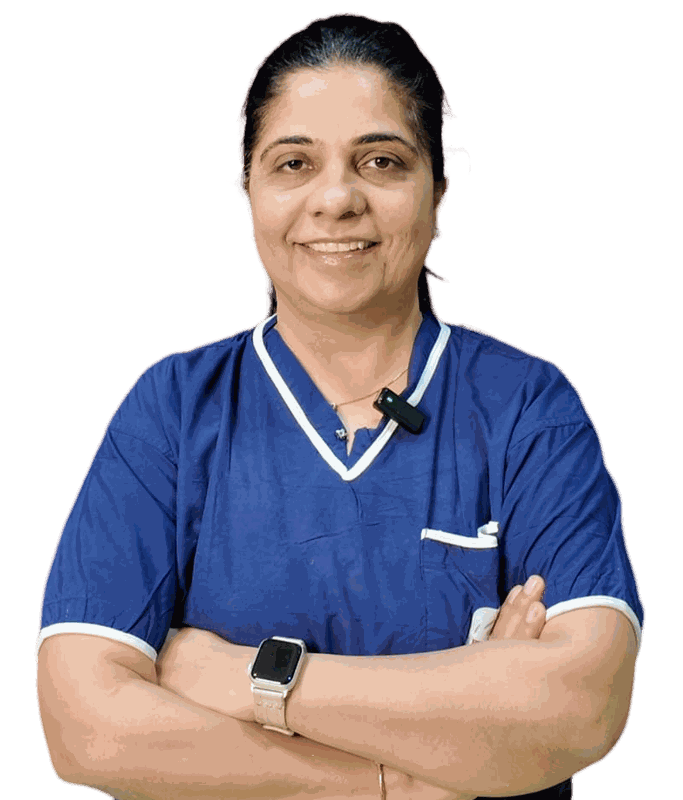
Medical Reviewer
Dr. Monica Sachdev
Dr. Monica Sachdev is a leading IVF specialist in Delhi with over 18 years of experience in reproductive medicine. She is dedicated to providing evidence-based fertility care and has helped thousands of families achieve parenthood.
Ready to Start Your Fertility Journey?
Our friendly team at Pravi IVF is here to stand by you, listen to your story, and help you through every single step.