

When facing challenges with your own eggs, donor egg IVF in Delhi can be a hopeful and effective path to parenthood. This advanced fertility treatment involves using eggs from a young, healthy donor, fertilized with sperm, and then transferring the resulting embryo into the recipient's uterus.
It opens up possibilities for many individuals and couples who might not otherwise be able to conceive.
Key Takeaways
- Donor egg IVF is a successful option for those with ovarian issues or advanced maternal age.
- The process involves careful donor selection, preparation for the recipient, and the IVF procedure itself.
- Choosing a reputable clinic and understanding the legal and emotional aspects are crucial.
- Success rates are generally high, often reflecting the donor's age and health.
- Open communication with your partner and medical team is essential throughout the journey.
Understanding Donor Egg IVF
Donor egg IVF is a form of assisted reproductive technology where a woman uses eggs donated by another woman to achieve pregnancy. These eggs are fertilized in a laboratory, typically with the partner's sperm or donor sperm, and the resulting embryos are transferred into the recipient's uterus.
The process is often recommended when a woman's own eggs are not viable for various reasons, offering a high chance of success.
Who Might Benefit from Donor Egg IVF?
Several situations may lead individuals or couples to consider donor egg IVF in Delhi. It's a deeply personal decision, often made after exploring other fertility options.
- Advanced Maternal Age: As women age, the quality and quantity of their eggs naturally decline, making conception more difficult.
- Premature Ovarian Failure (POF): This condition involves the early cessation of ovarian function, meaning the ovaries stop producing eggs before age 40.
- Poor Egg Quality or Quantity: Even at a younger age, some women may have eggs that are not suitable for successful fertilization or development.
- Genetic Conditions: If a woman carries a genetic disorder that she wishes to avoid passing on to her child.
- Repeated IVF Failures: When previous IVF cycles with a woman's own eggs have been unsuccessful.
- Same-Sex Male Couples or Single Men: These individuals can build a family through donor egg IVF combined with a gestational carrier.
The Donor Egg IVF Process in Delhi
The journey with donor egg IVF involves several distinct stages, each requiring careful planning and medical supervision. Understanding these steps can help prepare you for what to expect.
1. Initial Consultation and Evaluation
The first step is a thorough consultation with a fertility specialist. This includes reviewing your medical history, performing diagnostic tests, and discussing your family-building goals.
The clinic will assess your overall health and uterine receptivity to ensure you are a suitable candidate for pregnancy.
2. Donor Selection
Choosing an egg donor is a critical and often emotional step. Donors are typically healthy young women who undergo extensive screening.
- Medical Screening: Includes hormone levels, infectious disease testing, and genetic screening.
- Psychological Evaluation: To ensure the donor fully understands the implications of egg donation.
- Background Information: You may receive details about the donor's physical characteristics, education, interests, and family medical history.
At Pravi Global IVF, we maintain a comprehensive database of carefully screened donors to help you find a suitable match.
3. Recipient Preparation
While the donor undergoes ovarian stimulation, the recipient's uterus needs to be prepared to receive the embryo. This involves a regimen of hormones, typically estrogen and progesterone.
These hormones thicken the uterine lining, making it receptive to embryo implantation.
4. Egg Retrieval and Fertilization
Once the donor's eggs are mature, they are retrieved through a minor surgical procedure. These eggs are then fertilized with sperm in the lab using conventional IVF or ICSI (Intracytoplasmic Sperm Injection), depending on the sperm quality.
The embryos are then cultured for several days, usually three to five.
5. Embryo Transfer
The highest quality embryo(s) are selected and gently transferred into the recipient's uterus using a thin catheter. This procedure is generally painless and does not require anesthesia.
Any good quality surplus embryos can often be frozen for future use.
6. Post-Transfer Care and Pregnancy Test
After the transfer, you will continue hormone support and await a pregnancy test, typically done about two weeks later. This period can be filled with anticipation, and our team provides support every step of the way.
Important Considerations for Donor Egg IVF in Delhi
Beyond the medical steps, there are several practical and emotional aspects to consider when pursuing donor egg IVF.
Legal and Ethical Aspects
India has specific regulations concerning donor anonymity and the rights and responsibilities of all parties involved. It's important to understand these guidelines, which your clinic will explain.
Donor anonymity is typically maintained, meaning the recipient does not know the donor's identity and vice versa.
Emotional Support
Deciding to use donor eggs can bring a range of emotions, including relief, hope, and sometimes grief for the loss of a genetic connection. Open communication with your partner, family, and a counselor can be very beneficial.
Many clinics offer psychological support to help navigate these feelings.
Success Rates
Success rates for donor egg IVF are generally high because the eggs come from young, healthy donors. These rates can vary based on factors like the recipient's uterine health and the clinic's expertise.
Your doctor will provide specific success rates relevant to your situation and the clinic's experience.
Choosing a Clinic for Donor Egg IVF in Delhi
Selecting the right fertility clinic is paramount for a successful and supportive experience. Here's a simple comparison to help you understand what to look for:
| Feature | Reputable Clinic (e.g., Pravi Global IVF) | Less Reputable Clinic |
|---|---|---|
| Donor Screening | Thorough medical, genetic, psychological checks | May have less rigorous screening protocols |
| Transparency | Clear communication on costs, procedures, risks | Hidden fees, vague explanations |
| Support Services | Counseling, patient coordinators, emotional support | Limited or no psychological support |
| Medical Expertise | Experienced specialists, advanced lab facilities | Inexperienced staff, outdated equipment |
| Legal Guidance | Assistance with understanding legal frameworks | May not provide adequate legal information |
When considering donor egg IVF in Delhi, look for a clinic known for its ethical practices, advanced technology, and patient-centric approach. Pravi Global IVF in Lajpat Nagar, New Delhi, is committed to providing comprehensive and compassionate care.
We offer a range of fertility treatments, including IVF, ICSI, and IUI, tailored to individual needs.
Questions to Ask Your Fertility Specialist
Preparing a list of questions can help you feel more confident and informed throughout the donor egg IVF process. Don't hesitate to ask your medical team anything that concerns you.
- What are your clinic's specific success rates for donor egg IVF?
- How are egg donors screened and selected?
- What information will I receive about my donor?
- What are the legal aspects of donor egg IVF in Delhi?
- What are the total costs involved, including potential additional fees?
- What emotional support or counseling services do you offer?
- What is the typical timeline for a donor egg IVF cycle?
Your journey to parenthood is important to us. We encourage you to book an appointment or contact us to discuss your specific needs.
Frequently Asked Questions
What is the typical age range for egg donors?
Egg donors are typically young women, usually between 21 and 30 years old, to ensure optimal egg quality and higher success rates for the recipient.
Is donor egg IVF legal in India?
Yes, donor egg IVF is legal in India, governed by specific guidelines to ensure ethical practices and the well-being of all parties involved. Clinics like Pravi Global IVF adhere strictly to these regulations.
How long does the donor egg IVF process take?
The entire process, from initial consultation to embryo transfer, can vary but typically spans several weeks to a few months, depending on donor availability and recipient preparation.
Can I choose the characteristics of my egg donor?
While you cannot directly choose a donor based on specific requests beyond general characteristics, clinics provide detailed profiles (without identifying information) including physical traits, education, and medical history to help you find a suitable match.
What are the chances of success with donor egg IVF?
Success rates for donor egg IVF are generally high, often ranging from 60-70% per cycle, primarily due to the young age and health of the egg donor. Your clinic will provide specific, realistic success rates based on their experience.
For more information or to start your journey, please call Pravi Global IVF at +91 80091 50040.
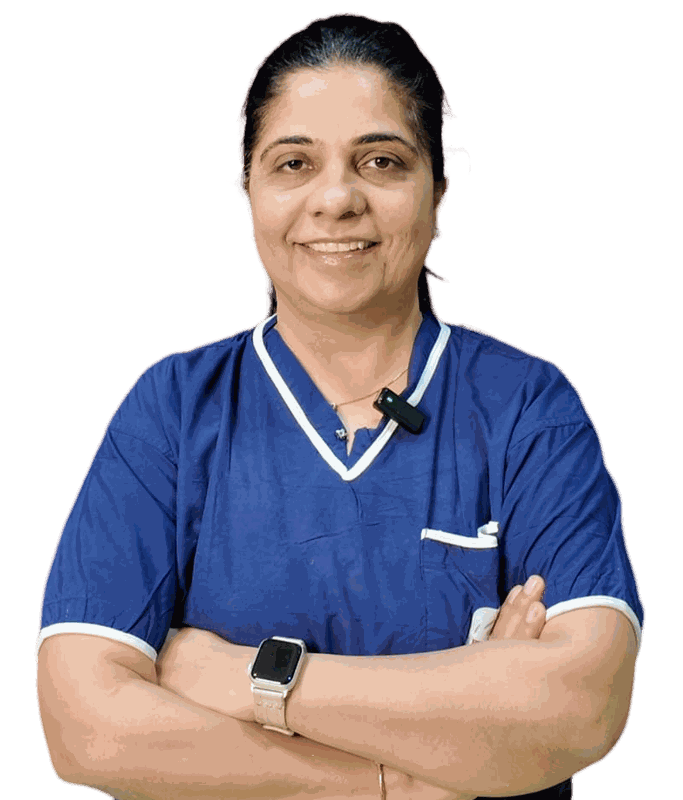
Medical Reviewer
Dr. Monica Sachdev
Dr. Monica Sachdev is a leading IVF specialist in Delhi with over 18 years of experience in reproductive medicine. She is dedicated to providing evidence-based fertility care and has helped thousands of families achieve parenthood.
Ready to Start Your Fertility Journey?
Our friendly team at Pravi IVF is here to stand by you, listen to your story, and help you through every single step.