

Key Takeaways
- Egg retrieval is usually a day-care procedure, with discharge after suitable recovery checks.
- Sedation or anaesthesia is commonly used; you will generally need someone to accompany you home.
- Trigger injection timing and fasting instructions are essential parts of preparation.
- Confirm the current procedure arrangements, monitoring, and after-hours support directly with Pravi Global IVF.
A day-care egg retrieval suite is a clinical setting where eggs are collected during fertility treatment, followed by observation before discharge. If you are planning treatment at Pravi Global IVF in Lajpat Nagar, New Delhi, understanding this stage can make the appointment feel less unfamiliar.
This guide explains the usual process, not a verified description of the clinic’s rooms, equipment, or staffing. Ask the team to confirm where your retrieval will take place and which services are included in your plan.
What Is a Day-Care Egg Retrieval Suite?
Egg retrieval, also called oocyte pickup, collects eggs from ovarian follicles after a course of stimulation medicines. It is generally performed using ultrasound guidance, without an abdominal incision.
The term day-care means most patients do not need an overnight stay. It does not mean you can leave immediately: discharge depends on your recovery, symptoms, and the treating team’s assessment.
A typical day-care egg retrieval suite supports preparation, the procedure, and monitored recovery. The layout and arrangements differ between centres, so ask how privacy, anaesthesia care, and access to the embryology laboratory are managed.
Where Egg Retrieval Fits into Fertility Treatment
Retrieval usually follows ovarian stimulation and monitoring with ultrasound scans, sometimes alongside blood tests. When the follicles are considered ready, a precisely timed trigger injection helps the eggs complete their final maturation.
Egg collection is generally scheduled around 34–36 hours after the trigger, according to the clinic’s protocol. Follow your assigned time exactly, and contact the team promptly if an injection is missed, delayed, or incorrectly administered.
After collection, the laboratory assesses the eggs and proceeds according to your treatment plan. This may involve conventional IVF treatment in Lajpat Nagar, egg freezing, or ICSI treatment, where a single sperm is injected into a mature egg.
Egg retrieval is not part of IUI treatment, which places prepared sperm inside the uterus. Your fertility assessment helps determine which approach is appropriate.
How to Prepare for Your Appointment
Preparation instructions should be personalised to your medicines, health conditions, and planned anaesthesia. Request written guidance rather than relying on general online advice.
- Confirm fasting: Ask when to stop food and liquids, including water, and follow the anaesthesia team’s instructions.
- Review medicines: Disclose prescriptions, supplements, allergies, and any previous reaction to anaesthesia; do not stop prescribed medicines yourself.
- Arrange an escort: Plan for a responsible adult to take you home and stay with you as advised.
- Prepare documents: Bring requested reports, identification, and consent forms.
- Check sample arrangements: If partner sperm is needed, confirm collection instructions and any backup plan.
- Report illness: Tell the clinic about fever, cough, vomiting, or new symptoms before attending.
Wear comfortable clothing and keep the day free of work commitments. If you have diabetes or take blood-thinning medicines, seek specific instructions well before the procedure.
What Usually Happens on Retrieval Day?
Arrival, Checks, and Consent
The team typically verifies your identity, reviews trigger timing, checks vital signs, and confirms consent. You should have an opportunity to discuss concerns, including pain relief and what happens if fewer eggs than expected are collected.
Anaesthesia and Egg Collection
Sedation or anaesthesia is commonly used to keep you comfortable; the approach depends on clinical assessment. With ultrasound guidance, the clinician passes a fine needle through the vaginal wall to aspirate fluid from the follicles.
The embryology team examines this fluid for eggs. Not every follicle contains a retrievable egg, and not every collected egg is mature or suitable for fertilisation.
Observation and Discharge
Afterwards, staff typically monitor alertness, breathing, blood pressure, discomfort, and bleeding. You may feel sleepy, mildly bloated, or experience period-like cramps.
Your team decides when drinking, eating, and discharge are appropriate. If recovery is slower or there is a medical concern, longer observation or hospital care may be needed.
| Stage | What Usually Happens | What to Confirm |
|---|---|---|
| Before retrieval | Clinical review and preparation | Arrival time, fasting, and medicines |
| During retrieval | Ultrasound-guided follicle aspiration | Anaesthesia plan and monitoring |
| Recovery | Observation before discharge | Escort and discharge requirements |
| Follow-up | Egg and laboratory updates | When and how updates are shared |
Recovery at Home: What Is Expected?
Mild cramps, light spotting, and bloating can occur after retrieval. Recovery varies, and some patients need more time off than others, particularly when the ovaries remain enlarged.
- Rest on the procedure day and resume gentle activity as tolerated.
- Use only pain relief and other medicines approved by your treating team.
- Follow instructions about fluids, meals, and any symptom monitoring.
- Avoid strenuous exercise, heavy lifting, and intercourse until your clinician advises otherwise.
- After sedation or anaesthesia, avoid driving, alcohol, machinery, and important decisions for the period specified, commonly at least 24 hours.
Do not assume an embryo transfer will follow immediately. A fresh transfer or freezing strategy depends on embryo development, hormone levels, ovarian hyperstimulation risk, and your broader treatment plan.
Warning Signs That Need Prompt Medical Advice
Egg retrieval carries risks, including bleeding, infection, anaesthesia-related complications, and rarely injury to nearby structures. Ovarian hyperstimulation syndrome, or OHSS, is related to the response to stimulation and may become apparent or worsen after retrieval.
Contact your treating team urgently for the following symptoms; seek emergency care for severe symptoms or if you cannot reach them:
- Severe or worsening abdominal pain or rapidly increasing swelling.
- Heavy vaginal bleeding, fainting, or marked dizziness.
- Fever or persistent vomiting.
- Breathlessness, chest pain, or significantly reduced urination.
- Rapid weight gain, especially with worsening bloating or discomfort.
Questions to Ask Pravi Global IVF Before Booking
When discussing the day-care egg retrieval suite, focus on care arrangements rather than room appearance alone. A clear plan should cover preparation, monitoring, laboratory coordination, and support after discharge.
- Where will my retrieval take place, and who provides anaesthesia?
- What monitoring and emergency escalation arrangements are available?
- How are eggs identified, handled, and transferred to the laboratory?
- What does the written estimate include, and what may be charged separately?
- Who should I contact after hours, and when will I receive laboratory updates?
Use the contact page to confirm current arrangements at Pravi Global IVF. Egg numbers and treatment outcomes vary; the retrieval setting alone cannot predict your chance of pregnancy.
Frequently Asked Questions
Is egg retrieval painful?
Sedation or anaesthesia usually limits discomfort during collection. Mild cramps afterwards are common, but severe or worsening pain needs medical assessment.
How long will I stay at the clinic?
The collection itself often takes around 15–30 minutes, but preparation and recovery add several hours. Your discharge time depends on clinical assessment.
Can I go home alone after egg retrieval?
Generally, no. After sedation or anaesthesia, arrange a responsible adult escort and follow the clinic’s instructions about supervision at home.
Does every retrieved egg become an embryo?
No. Some eggs may be immature, some may not fertilise, and some fertilised eggs may stop developing. Laboratory updates explain each stage.
How do I confirm the suite arrangements at Pravi Global IVF?
Ask the clinic to explain the current retrieval location, anaesthesia coverage, recovery monitoring, and emergency support. Request personalised preparation and discharge instructions before treatment.
Have questions about a day-care egg retrieval suite? Call Pravi Global IVF on +91 80091 50040 or book an appointment to discuss your care.
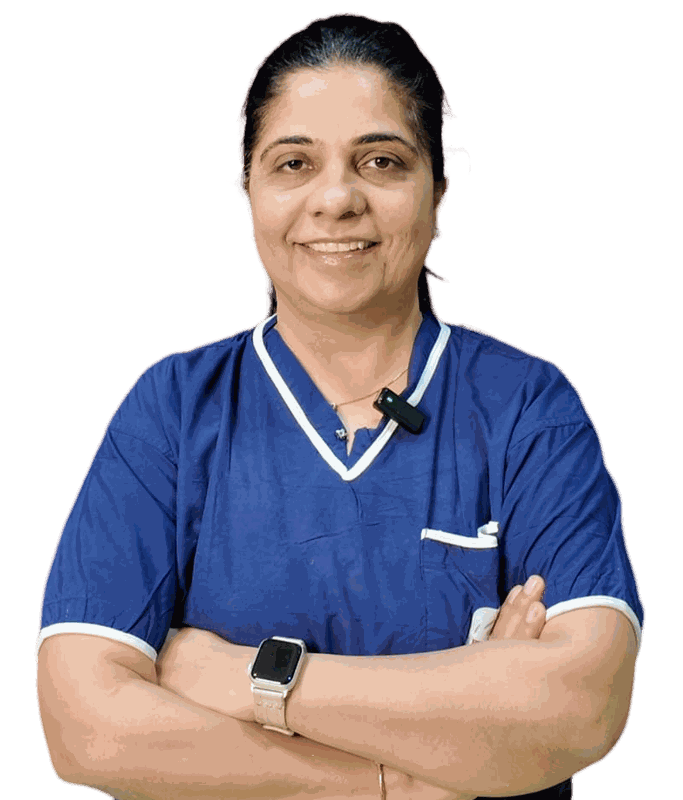
Medical Reviewer
Dr. Monica Sachdev
Dr. Monica Sachdev is a leading IVF specialist in Delhi with over 18 years of experience in reproductive medicine. She is dedicated to providing evidence-based fertility care and has helped thousands of families achieve parenthood.
Ready to Start Your Fertility Journey?
Our friendly team at Pravi IVF is here to stand by you, listen to your story, and help you through every single step.