

Key Takeaways
- IVF bypasses the fallopian tubes, making it an important option when both tubes are blocked or severely damaged.
- One blocked tube does not automatically mean IVF is necessary; the other tube and other fertility factors matter.
- A fluid-filled, damaged tube called a hydrosalpinx may need treatment before embryo transfer.
- No verified patient case was provided for this article. This is an educational explanation, not a real patient testimonial.
The topic blocked tubes: why ivf was the better choice raises a practical question: when does bypassing the tubes make more sense than trying to repair them? The answer depends on the location and severity of the blockage, age, ovarian reserve, sperm health, and personal priorities.
For a genuine patient story, those details must come from a verified case shared with appropriate consent. Rather than invent someone’s diagnosis or pregnancy outcome, this article explains the decisions that can lead a fertility specialist to recommend IVF.
What Blocked Fallopian Tubes Mean for Fertility
Fallopian tubes help bring the egg and sperm together, and fertilisation usually happens inside a tube. The resulting embryo then travels towards the uterus.
A blockage can prevent sperm from reaching the egg or stop an embryo from travelling normally. Some tubes remain partly open but have damage that affects their function.
Tubal damage may follow pelvic infection, endometriosis, or previous pelvic surgery. In some people, there are no obvious symptoms, and the problem is first suspected during fertility testing.
Does One Blocked Tube Rule Out Natural Pregnancy?
No. Natural pregnancy may still be possible if the other tube is healthy and other fertility factors are favourable.
If both tubes are completely blocked, sperm and egg generally cannot meet through the usual route. Confirming that finding is important before deciding on treatment.
Confirming the Diagnosis Before Choosing Treatment
A hysterosalpingogram, or HSG, uses contrast and X-rays to assess whether the tubes appear open. An ultrasound-based contrast test may be another option, depending on availability and clinical advice.
An apparent blockage near the uterus can sometimes reflect temporary muscle spasm rather than a permanent obstruction. Your doctor may suggest further assessment if the result is uncertain or does not fit the wider picture.
- Location: Is the blockage near the uterus or towards the far end of the tube?
- Extent: Is one tube affected, or are both involved?
- Condition: Is there scarring, swelling, or fluid within the tube?
- Other factors: What do ovulation assessment, ovarian reserve testing, and semen analysis show?
Laparoscopy is not necessary for everyone. It may be considered when symptoms or other findings suggest pelvic disease, or when surgery could also address a suspected problem.
Blocked Tubes: Why IVF Was the Better Choice
IVF can be a better choice when the main obstacle is severe tubal damage because it does not rely on the tubes for fertilisation. Eggs are collected from the ovaries, fertilised in a laboratory, and an embryo is transferred into the uterus.
This bypasses the blocked pathway rather than reopening it. However, IVF does not guarantee pregnancy, and tubal disease may still need attention before transfer.
When Bypassing the Tubes May Make More Sense
Repair may be less suitable when both tubes have extensive damage or when previous treatment has not restored useful function. Age, ovarian reserve, and the time someone is comfortable spending on treatment also influence the decision.
- Both tubes are confirmed to be completely blocked.
- Scarring makes successful tubal repair less likely.
- Other fertility factors also support choosing IVF.
- The expected benefits of surgery are limited compared with its risks and recovery.
- The patient prefers IVF after discussing reasonable alternatives.
In a verified account titled blocked tubes: why ivf was the better choice, these clinical reasons would need to be documented. The phrase should describe an individual decision, not imply that IVF is best for everyone with a blocked tube.
How the Main Treatment Options Compare
The best comparison is not simply “surgery versus IVF.” It is whether a particular option can address the confirmed problem without creating an unreasonable delay or avoidable risk.
| Option | When it may be considered | Important limitation |
|---|---|---|
| Trying naturally | One healthy tube and otherwise favourable findings | Suitability depends on age, duration of infertility, and other factors |
| IUI | At least one open, functional tube and an appropriate fertility assessment | Does not bypass both blocked tubes |
| Tubal cannulation or surgery | Selected blockages with a reasonable prospect of restoring function | Re-blockage and ectopic pregnancy are possible |
| IVF | Confirmed bilateral blockage, significant damage, or additional fertility factors | Requires treatment procedures and does not guarantee a baby |
You can review IUI treatment information when discussing whether it fits your circumstances. IUI places prepared sperm inside the uterus, but the egg and sperm still need a functioning tube to meet.
Why Hydrosalpinx Needs a Separate Discussion
A hydrosalpinx is a damaged fallopian tube swollen with fluid. That fluid can enter the uterus and reduce the likelihood of successful implantation during IVF.
A specialist may recommend removing the affected tube or blocking its connection to the uterus before embryo transfer. The approach depends on the findings, surgical risks, and individual circumstances.
This is not the same as saying every blocked tube must be removed. Ask why a procedure is being recommended and how it might affect the ovaries or treatment timing.
What to Expect When Planning IVF
A typical IVF pathway involves ovarian stimulation, monitoring, egg collection, laboratory fertilisation, and embryo transfer. Some embryos may be frozen for transfer later, depending on the treatment plan.
Blocked tubes alone do not automatically mean ICSI is required. ICSI treatment involves injecting a sperm into an egg and may be recommended for sperm-related factors or particular fertilisation concerns.
Before starting, discuss medication side effects, ovarian hyperstimulation risk, procedure-related risks, and emotional demands. A single-embryo transfer may be recommended to reduce the risk of multiple pregnancy.
- Ask for the proposed treatment sequence and likely review points.
- Request an itemised estimate, including possible additional costs.
- Discuss how many embryos may be transferred and why.
- Ask whom to contact about symptoms during treatment.
- Clarify the plan if a cycle does not lead to pregnancy.
Making a Decision You Understand
A blocked-tube diagnosis can feel discouraging, especially after months of trying. You deserve an explanation of what the tests show, what remains uncertain, and why one option is being recommended.
For local treatment planning, explore IVF treatment in Lajpat Nagar, Delhi. You can also contact Pravi Global IVF about arranging a consultation and which existing reports to bring.
Frequently Asked Questions
Does “blocked tubes: why ivf was the better choice” apply to everyone?
No. IVF may be appropriate for confirmed bilateral blockage or severe damage, while selected patients may consider natural conception, IUI, or tubal treatment.
Can medicines open blocked fallopian tubes?
Medicines generally cannot reverse established scar-related blockage. Antibiotics can treat an active infection when indicated, but they do not reliably repair existing tubal damage.
Is tubal surgery always needed before IVF?
No. Surgery may be advised for a hydrosalpinx or another specific concern, but uncomplicated blockage does not automatically require removal of the tubes.
Can an ectopic pregnancy happen after IVF?
Yes, although IVF bypasses the tubes. Early monitoring is important; severe abdominal pain, shoulder-tip pain, dizziness, or fainting with a possible pregnancy requires urgent medical attention.
Does IVF guarantee pregnancy with blocked tubes?
No. Outcomes depend on several factors, including age, egg and sperm quality, embryo development, and uterine health. Ask for an individualised discussion of expectations.
Discuss your reports with Pravi Global IVF in Lajpat Nagar, New Delhi. Call +91 80091 50040 or book an appointment to review your options.
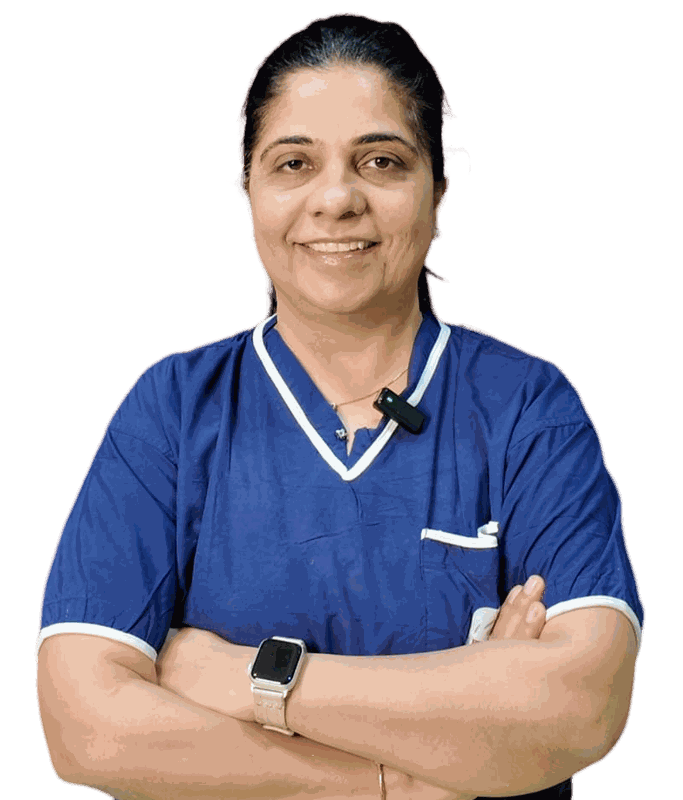
Medical Reviewer
Dr. Monica Sachdev
Dr. Monica Sachdev is a leading IVF specialist in Delhi with over 18 years of experience in reproductive medicine. She is dedicated to providing evidence-based fertility care and has helped thousands of families achieve parenthood.
Ready to Start Your Fertility Journey?
Our friendly team at Pravi IVF is here to stand by you, listen to your story, and help you through every single step.