

Key Takeaways
- Routine bed rest after embryo transfer has not been shown to improve pregnancy outcomes.
- Gentle walking, using the toilet, and most ordinary daily activities are generally safe.
- Continue prescribed medicines and follow any personalised restrictions from your fertility team.
- Severe pain, heavy bleeding, breathlessness, or rapidly worsening swelling need prompt medical advice.
If you have searched for bed rest embryo transfer, you have probably encountered conflicting advice. Someone may suggest staying flat for days, while your clinic encourages you to get up and carry on gently.
After everything involved in IVF, wanting to protect the embryo is understandable. The reassuring answer is that routine bed rest is not necessary after an uncomplicated embryo transfer, and normal movement does not make an embryo fall out.
Bed Rest Embryo Transfer: What Does the Evidence Say?
Clinical studies and professional guidance do not support prescribing bed rest routinely after embryo transfer. Getting up and walking after the procedure has not been shown to reduce the chance of pregnancy.
Some studies have even found poorer outcomes with bed rest, although this does not mean that taking a nap is harmful. The practical message is that prolonged lying down offers no proven implantation benefit.
A brief rest at the clinic may be offered for comfort or observation. That is different from needing to stay in bed once you return home.
Why movement does not dislodge an embryo
During transfer, a clinician places the embryo inside the uterine cavity using a thin catheter. The uterus is not an open container from which an embryo can spill when you stand up.
Walking, coughing, sneezing, or passing urine does not push the embryo out. Implantation depends on biological factors, including embryo development and endometrial receptivity, rather than maintaining a particular position.
Rest for Comfort, Not as an Implantation Treatment
Feeling tired after treatment is common, especially when appointments, hormonal medicines, and uncertainty have disrupted your routine. Resting because you feel tired is sensible; forcing yourself to remain motionless is not required.
Unnecessary inactivity can contribute to stiffness, constipation, and increased worry about every movement. Prolonged immobility can also increase blood clot risk, particularly in people with other risk factors.
A useful way to interpret bed rest embryo transfer advice is to separate comfort from treatment. You can have a quiet day without believing that staying horizontal determines whether the transfer succeeds.
What Can You Usually Do After Transfer?
For most people, gentle everyday activity is reasonable after an uncomplicated procedure. Your clinic may recommend modifications based on recent egg retrieval, enlarged ovaries, symptoms, or other medical conditions.
| Activity | General guidance |
|---|---|
| Walking and climbing stairs | Usually acceptable at a comfortable pace; stop if you feel pain or dizziness. |
| Desk work | Often possible when you feel ready, with regular breaks. |
| Light household tasks | Generally reasonable if they do not involve straining or heavy lifting. |
| Running or intense workouts | Check with your clinic, especially after ovarian stimulation or egg retrieval. |
| Sexual activity | Ask your team, as advice varies with symptoms and treatment circumstances. |
| Travel | Discuss long journeys, symptom monitoring, and access to care before leaving. |
There is no universal lifting limit suitable for every patient. If your job involves moving heavy loads or prolonged physical exertion, ask for specific guidance before returning.
A gentle routine for the first few days
- Take short, comfortable walks rather than spending the entire day in bed.
- Eat regular meals and drink fluids normally unless advised otherwise.
- Use the toilet whenever needed; there is no benefit to holding urine.
- Choose light tasks and take breaks when tired.
- Keep a regular sleep schedule without worrying about sleeping position.
When Might Extra Restrictions Be Needed?
Advice can differ after a fresh transfer because the ovaries may still be enlarged following stimulation. Vigorous exercise or twisting movements may be discouraged because of ovarian discomfort or torsion risk, not because walking threatens implantation.
People at risk of ovarian hyperstimulation syndrome, or OHSS, may need closer monitoring. A frozen transfer without recent ovarian stimulation may involve different considerations.
If your clinician recommends reduced activity, ask what the restriction is intended to address and how long it should last. General bed rest embryo transfer information should not override an individual medical plan.
What Deserves More Attention Than Bed Rest?
Following your medication schedule matters more than choosing the right sofa position. Progesterone and any other prescribed support should be taken exactly as directed, including when you have spotting.
- Do not stop or change medicines without speaking to your fertility team.
- Ask before taking new medicines, herbal products, or supplements.
- Avoid smoking and alcohol, and discuss caffeine intake with your clinician.
- Attend follow-up appointments and test on the date your clinic recommends.
- Keep your clinic’s contact details available for unexpected symptoms.
No special food, drink, or posture has been proven to make an embryo implant. Balanced meals are helpful for general health, but pineapple, complete inactivity, or keeping your feet raised are not implantation treatments.
Managing the Wait Without Blaming Yourself
The waiting period can make ordinary sensations feel significant. Mild cramping, bloating, breast tenderness, or no symptoms at all cannot reliably tell you whether treatment has worked.
Progesterone can produce symptoms that resemble early pregnancy. Testing too early may also be misleading, particularly if a recent trigger injection contained hCG.
Choose manageable routines: a short walk, a film, a conversation, or a quiet workday. Ordinary stress or a moment of anxiety is not evidence that you have harmed implantation, and you do not need to feel perfectly calm.
Symptoms That Need Medical Advice
Mild spotting or discomfort can occur after transfer, but worsening symptoms deserve attention. Contact your fertility team promptly if you experience:
- Severe or increasing abdominal or pelvic pain.
- Heavy vaginal bleeding or fever.
- Rapidly increasing abdominal swelling or persistent vomiting.
- Markedly reduced urine output or inability to keep fluids down.
Breathlessness, chest pain, fainting, or severe sudden pain require urgent medical assessment. Do not assume these symptoms are a normal part of implantation.
Planning Aftercare With Pravi Global IVF
At Pravi Global IVF in Lajpat Nagar, New Delhi, ask for aftercare instructions suited to your treatment. You can explore IVF treatment and prepare questions about medicines, work, travel, and testing.
If your cycle involves ICSI treatment, the fertilisation method itself does not create a need for bed rest after transfer. IUI treatment is a different procedure, so follow its specific instructions rather than transferring advice between treatments.
Use the contact page to ask how to reach the team with aftercare questions, including outside routine hours.
Frequently Asked Questions
How many days of bed rest are needed after embryo transfer?
Routine bed rest is generally unnecessary after an uncomplicated transfer. If you are comparing bed rest embryo transfer recommendations, prioritise your clinician’s explanation of any individual medical reason for restrictions.
Can I walk or climb stairs on transfer day?
Usually, yes. Gentle walking and ordinary stair use do not dislodge an embryo; follow additional instructions if you have pain, dizziness, or treatment-related complications.
Which sleeping position is best after embryo transfer?
No sleeping position has been proven to improve implantation. Sleep comfortably unless another medical condition requires a particular position.
Can I return to work the next day?
Many people can resume desk-based work when comfortable. Physically demanding work, heavy lifting, or significant symptoms may require an individual plan.
Does spotting mean the transfer has failed?
No. Spotting alone cannot confirm success or failure. Continue prescribed medicines, inform your clinic, and take the pregnancy test on the recommended date.
For personalised fertility guidance, call Pravi Global IVF at +91 80091 50040 or book an appointment.
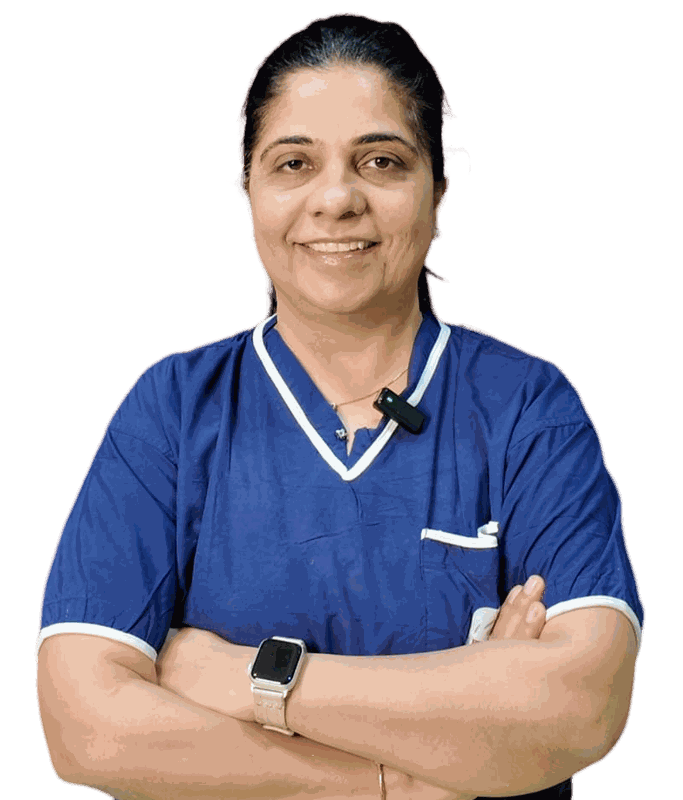
Medical Reviewer
Dr. Monica Sachdev
Dr. Monica Sachdev is a leading IVF specialist in Delhi with over 18 years of experience in reproductive medicine. She is dedicated to providing evidence-based fertility care and has helped thousands of families achieve parenthood.
Ready to Start Your Fertility Journey?
Our friendly team at Pravi IVF is here to stand by you, listen to your story, and help you through every single step.