

Can men with azoospermia become fathers? Yes, some can become biological fathers with treatment, although this depends on the cause and whether usable sperm can be found. If you are searching for azoospermia IVF ICSI, understanding the diagnosis first can help you make sense of surgery, fertility treatment, and other family-building options.
Key Takeaways
- Azoospermia means no sperm are found in the ejaculate after appropriate laboratory examination.
- A blockage and reduced sperm production need different treatment approaches.
- Surgically retrieved sperm are generally used with ICSI as part of IVF treatment.
- Sperm retrieval is not guaranteed, and finding sperm does not guarantee a baby.
- Assessment of both partners helps avoid unnecessary procedures and plan appropriate care.
What Does an Azoospermia Diagnosis Mean?
Azoospermia is different from a low sperm count. Semen may look normal, and sexual desire, erections, and ejaculation may be unaffected, so appearance or sexual function cannot confirm whether sperm are present.
The diagnosis usually needs confirmation with repeat semen testing and examination of the centrifuged sample. Occasionally, a thorough laboratory search identifies rare sperm, which can change treatment planning.
Obstructive azoospermia: sperm cannot get through
In obstructive azoospermia, the testicles usually produce sperm, but a blockage or missing reproductive ducts prevent them from reaching the semen. Causes include vasectomy, certain infections, previous surgery, or being born without the vas deferens.
Non-obstructive azoospermia: sperm production is impaired
In non-obstructive azoospermia, sperm production is severely reduced or absent. Possible causes include genetic conditions, previous chemotherapy, testicular injury, or hormonal problems, although sometimes no clear cause is found.
Small areas of sperm production may still exist in some men. Blood tests and examination provide clues, but cannot always establish whether retrieval will find usable sperm.
Which Tests Help Guide Treatment?
A fertility specialist or reproductive urologist reviews the semen reports alongside medical history and examination findings. Previous pregnancies, childhood testicular problems, infections, operations, medications, and testosterone use are all relevant.
- Repeat semen analysis: confirms the finding and may identify rare sperm.
- Hormone tests: commonly include FSH and testosterone, with additional tests when indicated.
- Physical examination: assesses testicular size and whether the vas deferens can be felt.
- Genetic testing: may include chromosome analysis, Y-chromosome microdeletion testing, or CFTR testing in selected cases.
- Targeted imaging: may help when a particular blockage or structural problem is suspected.
Not everyone needs every test. Genetic counselling may explain whether a condition could affect a child, whether partner testing is appropriate, or whether certain findings make retrieval unlikely to help.
Azoospermia IVF ICSI: How Treatment Works
IVF involves collecting eggs after ovarian stimulation and fertilising them in a laboratory. With conventional IVF, eggs are placed with sperm; with ICSI, an embryologist injects a single sperm into each suitable mature egg.
Because surgically retrieved sperm are often limited in number or movement, ICSI is generally the fertilisation method used. Learn more about IVF treatment and ICSI treatment in Lajpat Nagar.
What happens after sperm retrieval?
If usable sperm are found, they may be frozen for later treatment or used in a coordinated fresh cycle. Suitable embryos are then considered for transfer, with the timing based on the treatment plan and clinical circumstances.
ICSI helps a sperm enter an egg, but it cannot correct every sperm or egg problem. Fertilisation, embryo development, implantation, and live birth are separate steps with their own uncertainties.
What Are the Surgical Sperm Retrieval Options?
The procedure depends mainly on whether sperm production is preserved and where sperm can be accessed. These procedures require counselling about anaesthesia, recovery, discomfort, bleeding, infection, and possible effects on testicular function.
PESA and MESA
Percutaneous epididymal sperm aspiration, or PESA, uses a needle to collect sperm from the epididymis. Microsurgical epididymal sperm aspiration, or MESA, uses surgical magnification; both are options mainly for selected men with obstruction.
TESA and TESE
Testicular sperm aspiration, or TESA, uses a needle to sample the testicle. Testicular sperm extraction, or TESE, removes small tissue samples so the laboratory can look for sperm.
Micro-TESE
Microdissection TESE uses an operating microscope to identify areas more likely to contain sperm-producing tubules. It is often considered for non-obstructive azoospermia, but even careful exploration may find no usable sperm.
Micro-TESE is not automatically necessary for every patient. The choice should reflect the diagnosis, previous procedures, genetic findings, and the surgical and laboratory team's assessment.
Can Treatment Restore Sperm to the Semen?
Sometimes. Selected blockages can be treated with reconstructive surgery, potentially allowing sperm to return to the ejaculate and making natural conception possible, though neither outcome is guaranteed.
Certain hormonal deficiencies can respond to specialist-prescribed hormone treatment over several months. However, hormones are not a reliable solution for every form of non-obstructive azoospermia.
- Avoid self-prescribed testosterone: injections, gels, and anabolic steroids can suppress sperm production.
- Review current medicines: tell your specialist about prescriptions, supplements, and gym products.
- Support general health: stop smoking and discuss alcohol use, weight, and occupational exposures.
- Question cure claims: supplements cannot reliably reverse a blockage or established testicular failure.
Do not stop prescribed medicines without medical advice. Lifestyle changes may support reproductive health, but should not delay investigation of confirmed azoospermia.
Planning Treatment as a Couple
An azoospermia IVF ICSI plan should consider both partners, including the egg provider's age, ovarian reserve, health, and preferences. These factors influence whether reconstruction, retrieval, or assisted reproduction is the more appropriate next step.
Ask for an individualised discussion rather than one overall success figure. The likelihood of finding sperm is different from the likelihood of achieving a live birth after treatment.
- Should sperm retrieval happen before ovarian stimulation?
- Can retrieved sperm be frozen, and what happens if they do not survive thawing?
- What is the agreed plan if no sperm are found?
- Which procedure, laboratory, medication, and storage charges are included?
- Would genetic counselling or emotional support be helpful?
If retrieval is unsuccessful or unsuitable, donor sperm or adoption may be options, depending on personal preferences and applicable requirements. There is no obligation to decide immediately.
Frequently Asked Questions
Can a man with azoospermia conceive naturally?
Natural conception is not expected while no sperm are present in the semen. It may become possible if treatment restores sperm to the ejaculate, depending on both partners' fertility.
Is IUI an option for azoospermia?
IUI treatment using the man's ejaculated sperm is not suitable when no sperm are present. Donor-sperm IUI may be considered after assessing the receiving partner and completing required counselling and consent.
Does micro-TESE always find sperm?
No. Results depend on the underlying condition and other clinical factors; some genetic findings predict that retrieval will not help.
Can ICSI work with frozen surgically retrieved sperm?
Yes, when viable sperm are available after thawing. Whether freezing is suitable depends on the sample and laboratory assessment.
Does azoospermia mean testosterone is low?
No. Testosterone may be normal, especially with obstruction, and normal sexual function does not rule out azoospermia.
Discuss Your Next Step with a Specialist
For personalised advice about azoospermia IVF ICSI, consult Pravi Global IVF in Lajpat Nagar, New Delhi. Bring previous semen reports, hormone results, and details of any surgery or medication.
Book an appointment or contact the clinic to discuss an assessment. Call +91 80091 50040.
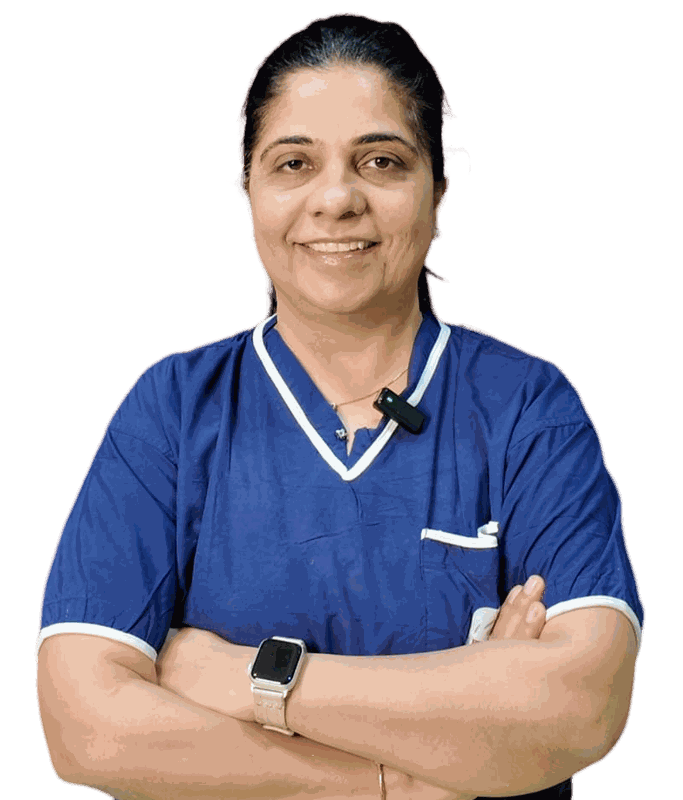
Medical Reviewer
Dr. Monica Sachdev
Dr. Monica Sachdev is a leading IVF specialist in Delhi with over 18 years of experience in reproductive medicine. She is dedicated to providing evidence-based fertility care and has helped thousands of families achieve parenthood.
Ready to Start Your Fertility Journey?
Our friendly team at Pravi IVF is here to stand by you, listen to your story, and help you through every single step.