

If painful periods or difficulty conceiving have led you to look for adenomyosis treatment in Delhi, you may wonder what the diagnosis means for pregnancy. Adenomyosis can affect fertility, but it does not automatically mean you need IVF or cannot conceive naturally.
The right approach depends on your symptoms, age, scan findings and pregnancy plans—not simply the word “adenomyosis” on a report.
Key takeaways
- Adenomyosis affects the muscle wall of your uterus.
- Heavy, painful periods are common, but some people have no symptoms.
- Ultrasound usually comes first; MRI may clarify uncertain findings.
- Treatment should account for whether you want pregnancy now or later.
- Fertility assessment should consider both partners, not only the uterus.
Understand what adenomyosis means for you
What changes inside the uterus?
Adenomyosis occurs when tissue similar to the uterine lining is present within the muscular wall of the uterus. It can cause thickening, inflammation and an enlarged, tender uterus. The changes may involve one area or be spread throughout the muscle.
Why does it develop?
The exact cause is not fully understood. Hormonal influences and changes at the boundary between the uterine lining and muscle may contribute. Previous childbirth or uterine surgery can be associated with adenomyosis, but it also occurs without either history.
This is not something you caused through diet, exercise or sexual activity. It is also different from endometriosis, where similar tissue occurs outside the uterus, although both conditions can exist together.
Recognise symptoms that deserve attention
Look beyond ordinary period discomfort
Period pain that repeatedly disrupts work, sleep or daily activities deserves assessment. Adenomyosis may cause symptoms that worsen over time, although symptom severity does not reliably show how much fertility is affected.
- Heavy or prolonged menstrual bleeding
- Strong cramps before or during periods
- Persistent pelvic aching or pressure
- Pain during intercourse
- Fatigue, breathlessness or dizziness from possible anaemia
Know when to seek urgent help
Seek urgent medical care for very heavy bleeding, fainting, severe new pelvic pain or marked breathlessness. If pregnancy is possible, pain or bleeding needs prompt assessment rather than being assumed to come from adenomyosis.
Find out whether adenomyosis is affecting fertility
Why conception or implantation may be harder
Adenomyosis may alter uterine contractions and the environment where an embryo implants. Research links it with reduced pregnancy rates and higher miscarriage risk in some groups, but findings vary. Your individual outlook cannot be predicted from a scan alone.
Check for other factors at the same time
Ovulation problems, blocked fallopian tubes, endometriosis and sperm factors may also contribute. A fertility evaluation may include a semen analysis, ovulation assessment and tests of tubal patency when appropriate.
Usually, seek fertility advice after 12 months of trying if you are under 35, or after six months if you are 35 or older. With suspected adenomyosis, significant pain, irregular cycles or previous pregnancy losses, an earlier discussion is reasonable.
Get a diagnosis that guides your decisions
Your doctor will ask about bleeding, pain, previous pregnancies and any procedures involving your uterus. A transvaginal ultrasound, performed with your consent, is usually the first imaging test used to assess suspected adenomyosis.
MRI may help when ultrasound findings are unclear or when planning selected procedures. Not everyone needs it. Imaging can often support a working diagnosis without surgery; a routine biopsy of the uterine lining does not reliably diagnose adenomyosis.
- Bring previous ultrasound or MRI reports and images.
- Note your cycle dates and days of heavy bleeding.
- Describe how pain affects sleep, work and intercourse.
- List medicines, supplements and previous fertility treatments.
- Ask about a blood count if you have heavy bleeding.
Choose adenomyosis treatment in Delhi around pregnancy plans
If symptom relief is your immediate priority
Anti-inflammatory medicines may ease period pain, while medicines such as tranexamic acid can reduce bleeding in suitable patients. Your doctor should check contraindications and advise on use if you are trying to conceive. Treating iron deficiency may also help you feel better.
Hormonal options, including certain pills, progestogens and a levonorgestrel-releasing intrauterine system, can control symptoms. They generally prevent or postpone attempts at pregnancy during use and are not treatments for achieving conception while you take them.
If you want pregnancy soon
Your fertility plan should weigh symptom severity against the time available for trying. Age and ovarian reserve matter when considering delays. Treatment may involve natural attempts, assisted conception or a selected period of hormonal suppression before fertility treatment.
GnRH-based suppression is sometimes considered before embryo transfer, but benefit is not established for everyone. Ask why it is being suggested, how long it would take and what side effects or delays to expect.
If surgery is being discussed
Uterus-preserving surgery may be considered for selected cases, particularly focal disease or severe symptoms. It can leave a uterine scar and carries risks for future pregnancy, including uterine rupture. Specialist counselling is essential before choosing it.
Hysterectomy definitively treats uterine adenomyosis but removes the ability to carry a pregnancy. Procedures such as uterine artery embolisation or focused ultrasound require careful specialist discussion when future pregnancy is desired, because reproductive safety and benefit remain uncertain.
| Your priority | Discussion to have |
|---|---|
| Relieve pain and bleeding | Non-hormonal or hormonal treatment, plus anaemia assessment |
| Try for pregnancy now | Fertility testing and whether treatment would delay conception |
| Consider a procedure | Expected benefit, uterine scarring and future pregnancy risks |
Understand where IUI and IVF may fit
IUI treatment may be considered when tubes are open and other fertility findings are suitable. It does not treat adenomyosis itself, so your age, symptoms and duration of infertility still matter.
IVF treatment may help when additional fertility factors exist or other approaches have not worked. However, IVF does not remove adenomyosis or eliminate its possible effects on implantation and pregnancy.
ICSI treatment is a fertilisation technique mainly used for specific sperm-related or fertilisation concerns. Adenomyosis alone is not a reason to need ICSI.
Frequently Asked Questions
Can I conceive naturally with adenomyosis?
Yes, natural pregnancy is possible. Your chances depend on age, ovulation, tubal health, sperm factors and the extent of disease. A diagnosis alone does not make assisted conception necessary.
Does adenomyosis always cause heavy periods?
No. Some people have mild symptoms or none at all. Others experience substantial pain or bleeding. Fibroids and other conditions can cause similar symptoms, so an assessment helps identify the likely cause.
Can medicines permanently cure adenomyosis?
Medicines usually control symptoms rather than permanently remove the condition. Symptoms can return after treatment stops. The most suitable option depends on your pregnancy plans and how much symptoms affect daily life.
Is pregnancy with adenomyosis high risk?
Adenomyosis is associated with increased risks of miscarriage, preterm birth and some placental complications. These outcomes are not inevitable. Tell your obstetrician about the diagnosis and any uterine surgery so monitoring can be planned.
How much does treatment cost in Delhi?
Costs vary with investigations, medicines, procedures and whether fertility treatment is needed. Request an itemised estimate that separates diagnostic tests, symptom treatment and assisted conception rather than relying on a single package figure.
Talk through your options at Pravi Global IVF
For advice that considers both symptoms and pregnancy goals, book an appointment at Pravi Global IVF in Lajpat Nagar, New Delhi. Call +91 80091 50040 and bring your existing reports to the consultation.
Check our contact page for clinic details before travelling. If you use the Metro, Lajpat Nagar station is on the Violet and Pink lines.
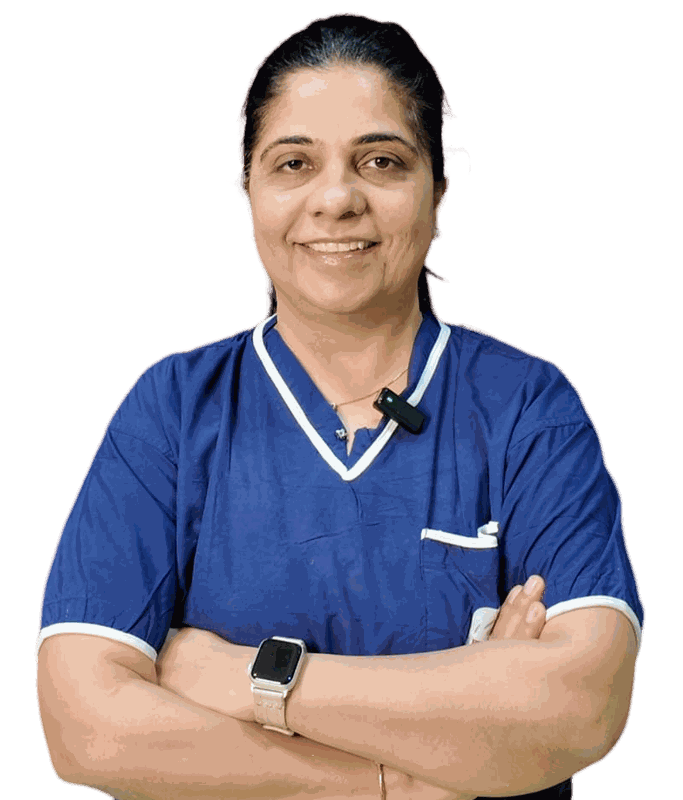
Medical Reviewer
Dr. Monica Sachdev
Dr. Monica Sachdev is a leading IVF specialist in Delhi with over 18 years of experience in reproductive medicine. She is dedicated to providing evidence-based fertility care and has helped thousands of families achieve parenthood.
Ready to Start Your Fertility Journey?
Our friendly team at Pravi IVF is here to stand by you, listen to your story, and help you through every single step.